Investigate Ancient Rock Art, a Medieval Friary, an “Industrial Ghost Town” and More This Summer as Part of Scotland Digs 2022
The Scotland Digs 2022 campaign is celebrating the country’s world-class archaeology this summer from Shetland to Dumfries & Galloway.
Now in its fourth year, our national campaign will assemble updates and fieldwork events for the public through social media and an online hub from 21 June to 22 September 2022.
Following two years of pandemic disruption, many fieldwork organisers are finally able to fully open their sites while once again welcoming members of the public with free tours, open days and volunteering opportunities with no experience required.
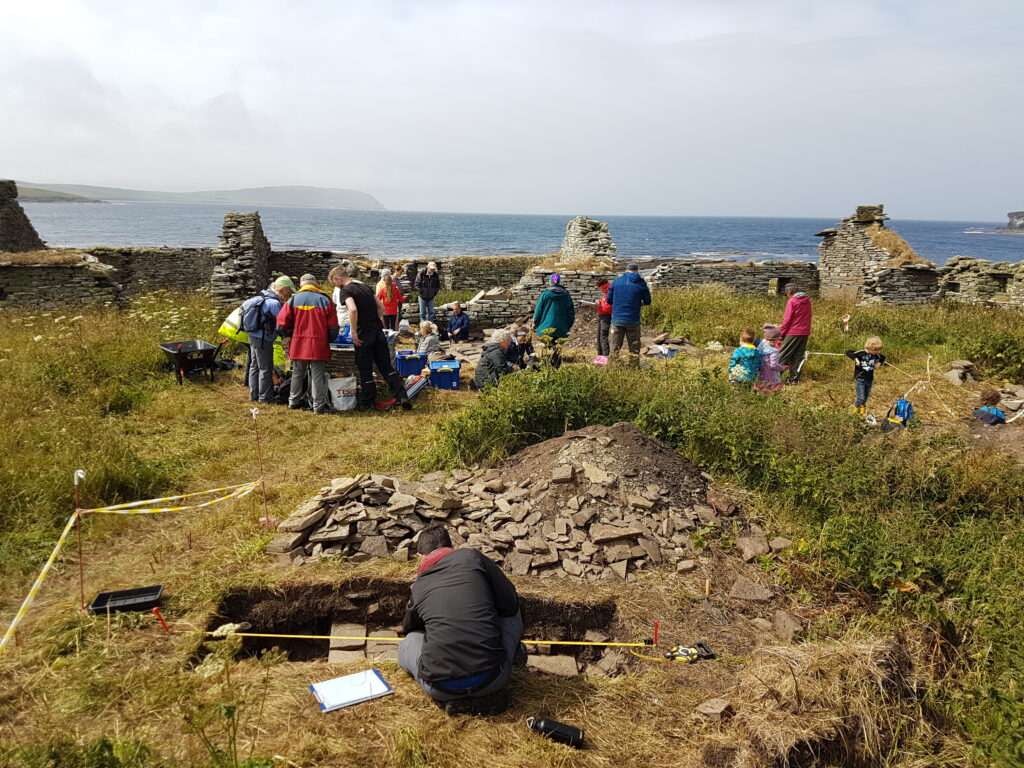
In Orkney, visitors are welcome to watch archaeology in action at two University of the Highlands and Islands Archaeology Institute excavations over the summer, including the Ness of Brodgar. The entire site will reopen at the 5,000-year-old Neolithic settlement with a full-sized excavation team for the first time since 2019. Experts will also return to Skaill Farmstead on Rousay where a large Norse hall, probably dating to the 10th to 12th centuries AD, was discovered beneath more recent structures in 2019.

Rock Art in Dumfries & Galloway (Courtesy of Can You Dig It, Galloway Glens)
In June, the public are invited to test pit around 4,000-year-old rock art in Dumfries & Galloway with Can You Dig It and the Kirkcudbright Rock Art Team, searching for artefacts or structures that might reveal more about these enigmatic markings. In Fife, volunteers can excavate in Inverkeithing with Northlight Heritage, where traces of 700-year-old preserved walls belonging to a medieval friary were uncovered in 2018.
In July, the public can help the Saline and District Heritage Society search for evidence of the 16th-century church, and possibly an earlier medieval church, at Saline Old Kirkyard in Fife. At Woodhead Lead Mine in Dumfries & Galloway, volunteers can join Can You Dig It to survey the upstanding ruins of an entire mining village built in the 1830s, known as ‘Scotland’s only example of an industrial ghost town’. Plans are also being finalised for a free fieldwork session led by Archaeology Shetland to record the remains of an 18th-century crofthouse that appears to have been modified from an early Norse longhouse.
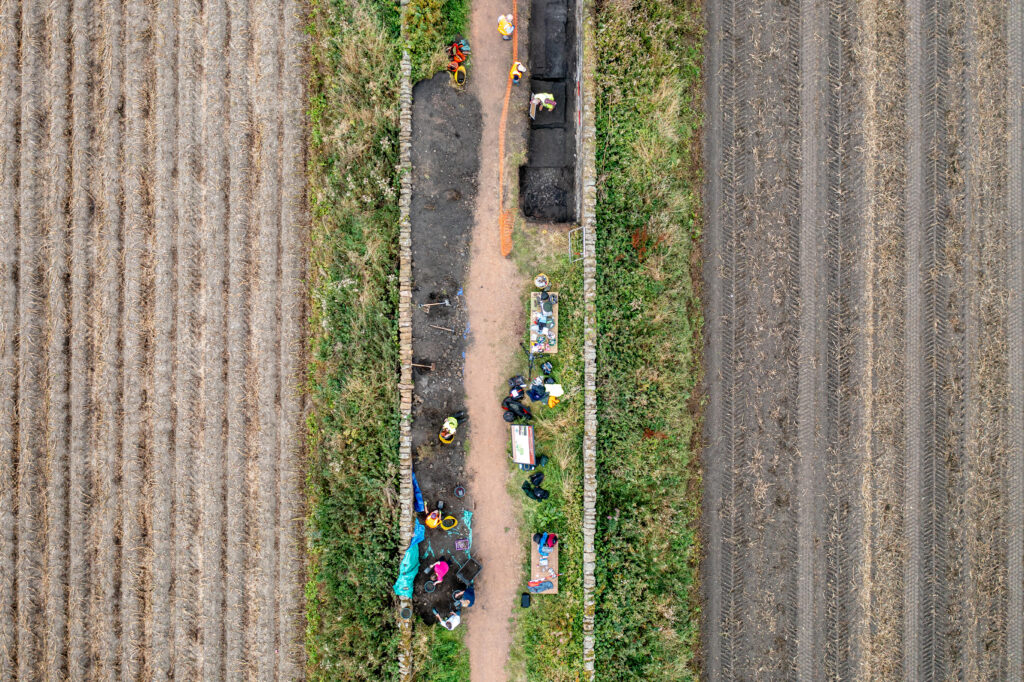
The 1722 Waggonway Project’s excavation in 2021 (© Shabhaz Majeed 2021)
Towards the end of the summer, the 1722 Waggonway Project are calling on volunteers to help unearth more of Scotland’s first railway in East Lothian. In the Cairngorms, visitors can watch University College Dublin working at Sgòr an Eoin in Glen Dee on Mar Lodge Estate in Aberdeenshire as they search for more artefacts, dating evidence and possible evidence of structures relating to hunter-gatherers who lived there over 6,000 years ago. More fieldwork events will be announced throughout the summer.
The Scotland Digs 2022 campaign will also highlight the work of commercial archaeology units such as Archaeological Research Services, who are looking for volunteers to help them explore a 2,500-year-old metalworking settlement in Moray. The work of these organisations offsets the impact that development (such as the building of new houses, schools or roads) has on the historic environment.
This year’s campaign features a Climate Action Archaeology theme to highlight archaeology’s connections to climate change. Content will include social media posts about decades-old plastic finds that have barely begun to degrade, sites being threatened by erosion and sea level changes, and more.
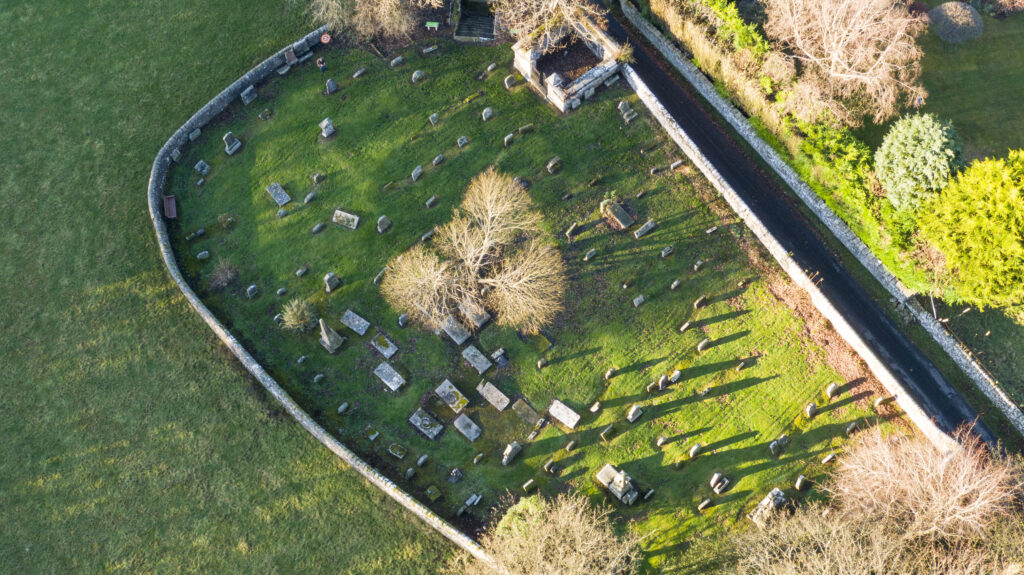
Saline Old Kirkyard (Courtesy Of Saline & District Heritage Society)
Dr Jeff Sanders, Dig It! Project Manager at the Society of Antiquaries of Scotland, said:
“As well as bringing stories from the past to life, archaeology helps us think through pressing issues facing our own society. This year’s campaign will share the excitement of a summer spent unearthing new stories during Scotland’s Year of Stories 2022, while harnessing the imagination this generates to encourage everyone to examine our responses to the climate emergency. From big issues of adaptation to environmental changes to small shifts like choosing sustainable travel options to get to a dig, archaeology can be part of both the conversation and the solution.”
Amy Eastwood, Head of Grants at Historic Environment Scotland, said:
“I’m delighted that members of the public will once again be able to enjoy tours, open days and volunteering opportunities as organisers are able to reopen sites. There is a lot of exciting activity taking place throughout Scotland this year and the Scotland Digs 2022 campaign and online hub is a fantastic tool for people to find out more about archaeology in their area.”
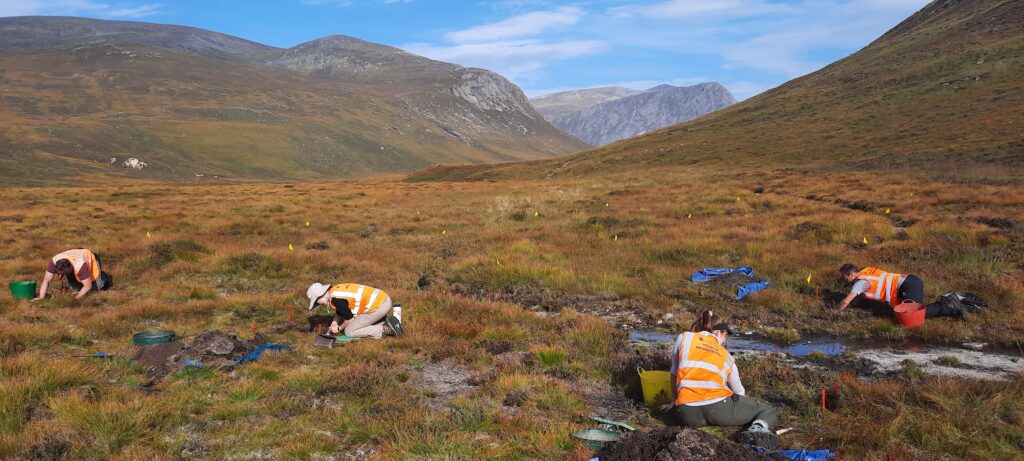
Excavations at Sgòr an Eòin in 2021 (© Professor Graeme Warren)
For more information, follow #ScotlandDigs2022 or visit the Scotland Digs 2022 webpages.
Dig It! is coordinated by the Society of Antiquaries of Scotland and primarily funded by Historic Environment Scotland
Header Image: Tour of Skaill farmstead in Orkney (© UHI Archaeology Institute)
