How Long Have Humans Tracked and Marked the ‘Skyscape’ in Scotland?
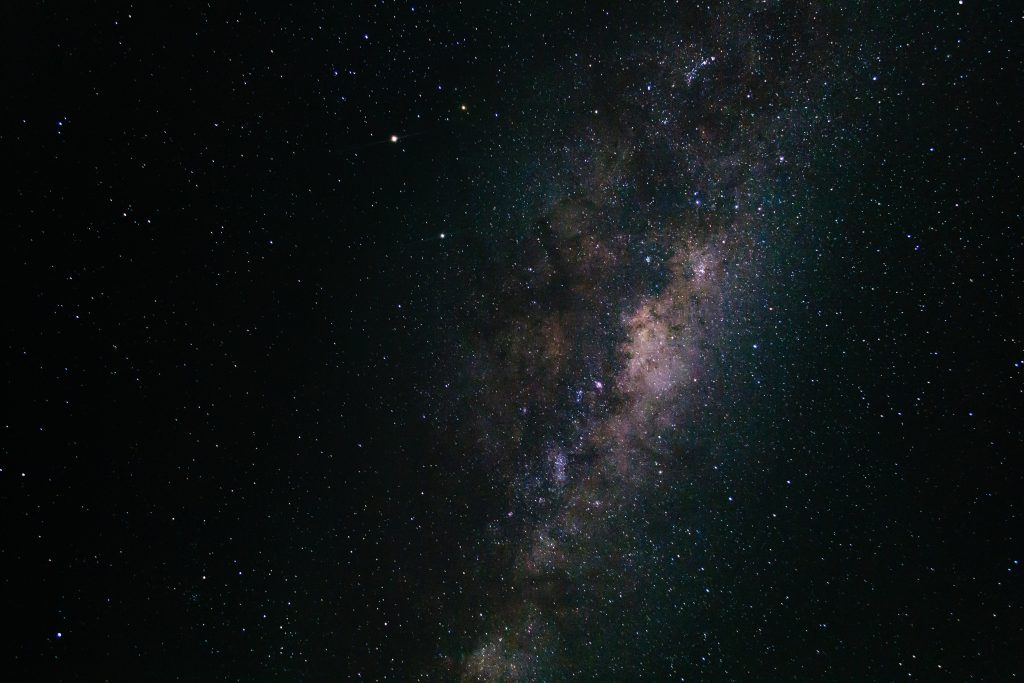
The sun, moon, planets and stars have impacted people’s daily lives for thousands of years. There’s even a name for the study of this relationship: archaeoastronomy.
Warren Field Lunar Calendar
In 2013, archaeologists claimed to have identified the ‘world’s oldest calendar’ in a field near Crathes Castle in Aberdeenshire. After being spotted from the air, excavations found a series of 12 pits which appear to mimic the phases of the moon and track lunar months.
It’s believed that they were made by hunter-gatherers 10,000 years ago to better follow the passage of time and changing seasons. The pits also align with the midwinter sunrise, which may have provided them with an annual “astronomic correction” concerning the passage of time. The project involved the universities of Birmingham, St Andrews, Leicester and Bradford.
World’s oldest calendar discovered: http://t.co/02UhPx2sZf
— National Geographic (@NatGeo) 16 July 2013
The Ness of Brodgar Neolithic Complex
The Ness of Brodgar is a massive 5,000-year-old complex in Orkney which has captivated international audiences. Since digging began in 2013, archaeologists have uncovered over 800 examples of decorated stone, an enormous wall, polished stone mace heads, a carved stone ball and a large building described as a “Neolithic cathedral”.
The archaeology suggests that the site may have hosted celebrations related to important “political” and celestial events. As noted in an interview with Nick Card, the site director, the surrounding hills are relatively low which would have made it a perfect place for watching the setting and rising of the sun, moon and other celestial objects. He argued that cosmology would have been critical to society then, “helping farmers predict the seasons.”
Architects of neighbouring sites such as Maeshowe chambered cairn were also looking to the sky. For a few days each year, the direct light of the setting sun floods into the chamber around at the time of the winter solstice.
VISIT: The Ness of Brodgar the summer excavation is accompanied by guided tours and open days.
Ormaig Rock Art
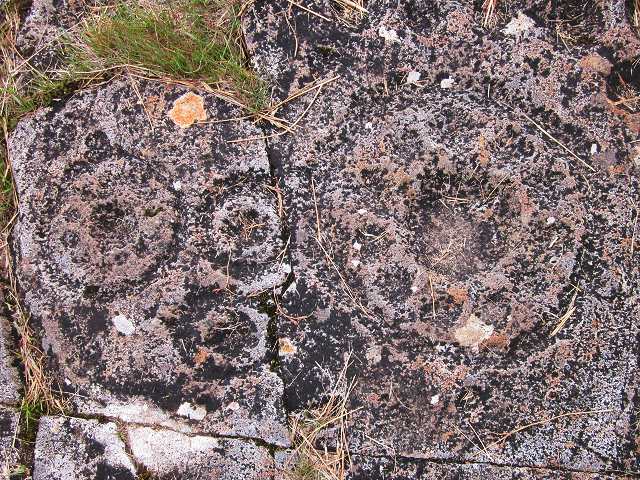
Around 5000 years ago, people in Scotland carved thousands of “abstract” symbols on rock surfaces across the landscape. Common designs include carved linear motifs (grooves), as well as a roughly circular hollow (cupmarks), often surrounded by concentric rings (cup and ring markings).
We still know little about how these marks were used or what purpose they served, although astronomical alignments has been referred to as one of the “more plausible ideas.”
Cup-and-ring marks can be found across Scotland including Ormaig Forest in Argyll, which is home to one of the best preserved panels in the country. According to Scotland’s Rock Art Project , there are also concentrations of carved rocks around the south coast of Dumfries and Galloway, and in Perthshire and Angus. Their database can help you find your closest site.
Whitehill (Tillyfourie) Recumbent Stone Circle
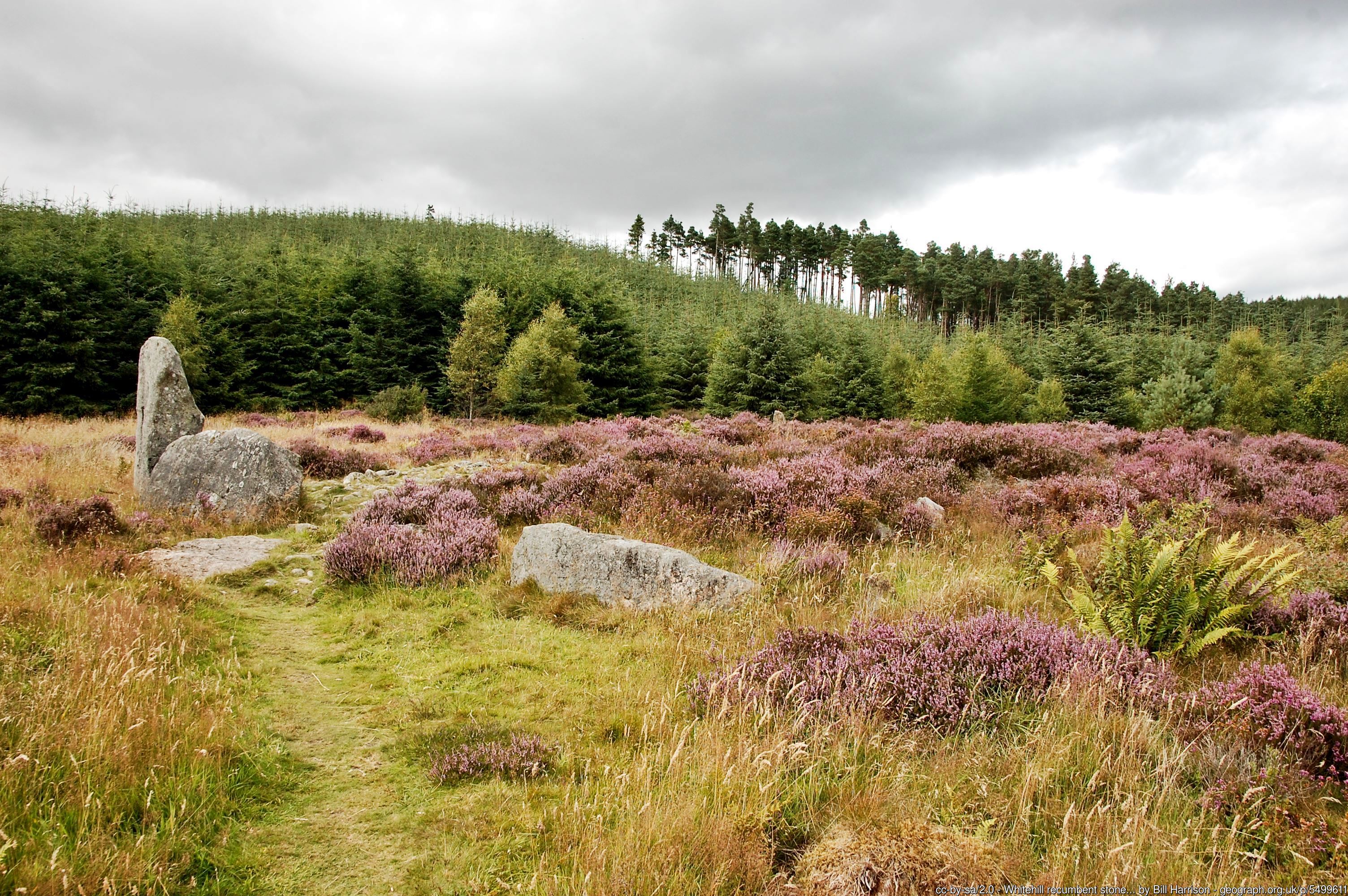
As the name suggests, recumbent stone circles incorporate a large stone lying on its side. Constructed in the earlier parts of the Bronze Age, they’re the oldest surviving structures in the North East. Excavations have indicated that they often enclose traces of funeral pyres and low burial cairns, so some people see them as monuments of funerary ritual.
This Neolithic/Bronze Age site in Aberdeenshire may also have also had another purpose: a celestial compass – marking the rising and setting of the sun and movement of the moon. The south facing recumbent and the stones on either side of it frame the sun and moon at their highest points in the sky. Forestry and Land Scotland (formerly Forestry Commission Scotland) suggest that these types of structures may have “formed a link to the ever-changing skyscape of Sun, Moon and stars, defining patterns that confirmed and reaffirmed the changing of the seasons.”
Strichen Quartz
It’s not just structures that might have connections to the cosmos. White/grey stones such as quartz may have symbolised the moon to people who used these sites during the Bronze Age. As Forestry and Land Scotland points out, “quartz glistens in both moonlight and in the light from bonfires emphasising the night aspect of any rituals taking place in the circles”.
In addition to being buried at various sites in Scotland, some stone circles feature thin veins or bands of quartz on their external faces and there is evidence for rituals involving the smashing of quartz rocks inside the circle, which would have emitted a greenish spark. At the site of a recumbent stone circle at Strichen in Aberdeenshire a “crescent of heavier stones, conspicuously strewn with quartz” was reportedly found “opposite the recumbent” in 1979.

“Considering that half the experienced environment around us consists of the sky, to ignore its importance to past societies is to ignore a large area of crucial evidence.” – Archaeoastronomy for Archaeologists, BAJR
If you’d like to keep exploring Scotland’s past, visit our Events & Digs page to find an activity near you.
Header Image: Thom Schneider on Unsplash
