Burgheid, the Pechts and the Battle o Dun Nechtain (Scots)
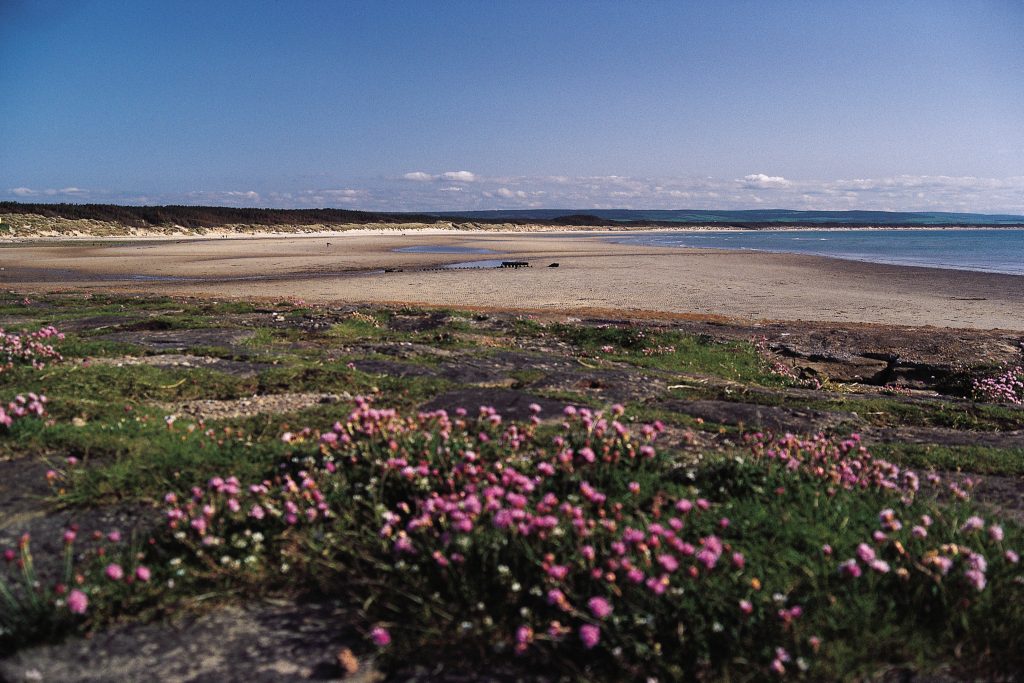
Bannockburn, Eat Yer Hert Oot
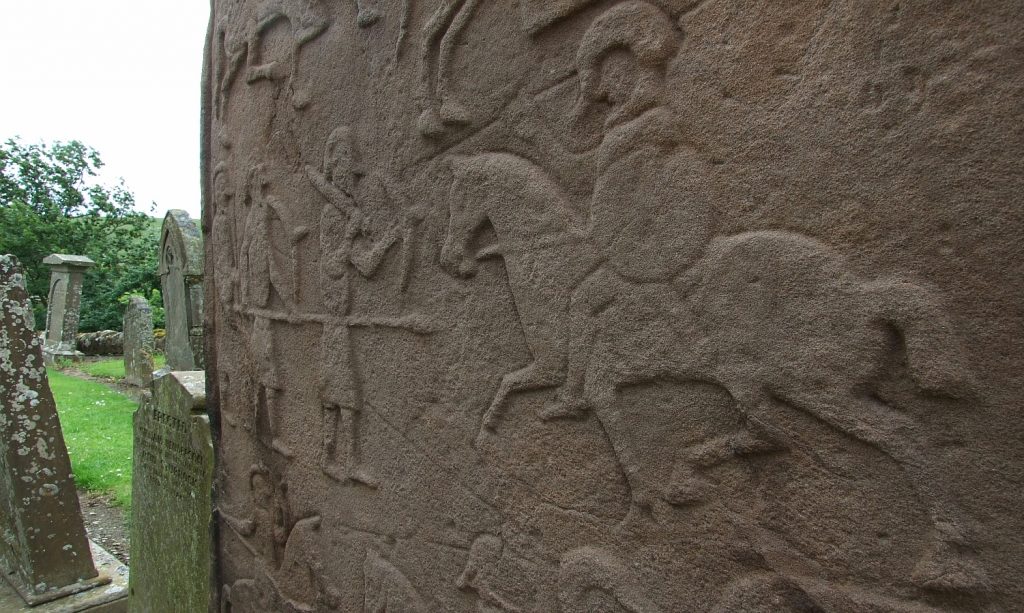
Awmaist awbodie kens the importance o the Battle o Bannockburn in Scotland’s history, whan Bruce’s men sent a muckle English airmy hame tae think again agin aw odds in 1314. Sangs, scrievins and fowk tales by the hunner circulate anent the victory.
Hooivver, maist o us havnae heard o the michty battle that taen place 600 year aforesyne, whan the Pechts herriet oot the invadin Northumbrians fae the sooth at the Battle o Nechtanesmere (fae Auld English) or Dun Nechtain (fae Gaelic). Wioot this Pechtish victory in the year 685, it can weel be threapit that there would hae been nae Scottish nation tae fecht fur in 1314 – and syne nae Scotland tae speik o the day.
Read in English – Burghead, the Picts and the Battle of Dun Nechtain
Pechts, Calidones and Verturiones
Sae, whae were these Pechts? The wird ‘Pechts’ comes fae the Latin Picti and is first attestit tae aboot 297 AD. It was a catch-aw term yaised by classical scrievers tae refer tae the hantle o sindry groups whae bidit ayont the Forth-Clyde line athort central Scotland, taen as the soothern-maist mairches o the Pechtish realms. Blythely, we ken fae scrievit sources twa-three o the names o individual Pechtish provinces and peoples forby, sic as the Calidones or the Verturiones – whae we’ll noo bide wi.
Maist significant amang the Pechtish tribes whae focht at Dun Nechtain were the Verturiones o the kingdom o Fortriu, concentratit aroond the modern region o Moray. By the mid-7th century, they had cam tae dominate the Pechtish region, and were weel-forrit in the laun that would come tae be cried Scotland. It was a King o Fortriu, King Bridei III, whae led the Pechts tae victory ower the Northumbrians in 685 efter aw. Forby the muckle coastal fort at Burgheid maun lea fowk in nae doot as tae the pooer o this aince michty tribe.
Burgheid – The Michtiest Fort o Them Aw
Burgheid was hame tae the michtiest Pechtish fort that we ken o. It was three times mair muckle nor onie comparable site forby mair elaborate in layoot. Tae the east, triple ooter ramparts dividit the fort fae the laun ayont, and sea and stey braes fendit the ither sides. Inside the waws, the fort was dividit intae an upper (thocht tae hae been a royal or religious space) and lower (thocht tae hae been the hert o the clachan) enclosure. The saft yellae saunds o the near aboots beach are thocht tae hae servit as a Pechtish naval base forby.

Burghead Pictish Fort © Historic Environment Scotland
The Burgheid (or Broch) Bulls
Nooadays, the Pechts are aiblins best kent fur their byordinar cairvit symbol stanes – and Burgheid doesnae disappynt. The ‘Broch Bulls’ are a set o 25 tae 30 symbol stanes cairvit wi stylised bulls that were howkit oot whan the auld fort was brackit up fur tae big the herbour in the early 1800s. It’s a dowie fack that maist o them were coupit awa, wi anley six survivin tae the day, but ye can see the aye-bidin exemples at the Burgheid Visitor Centre or the Elgin Museum; forby there’s ane at the National Museum o Scotland in Embra and ane at the British Museum in Lunnon.
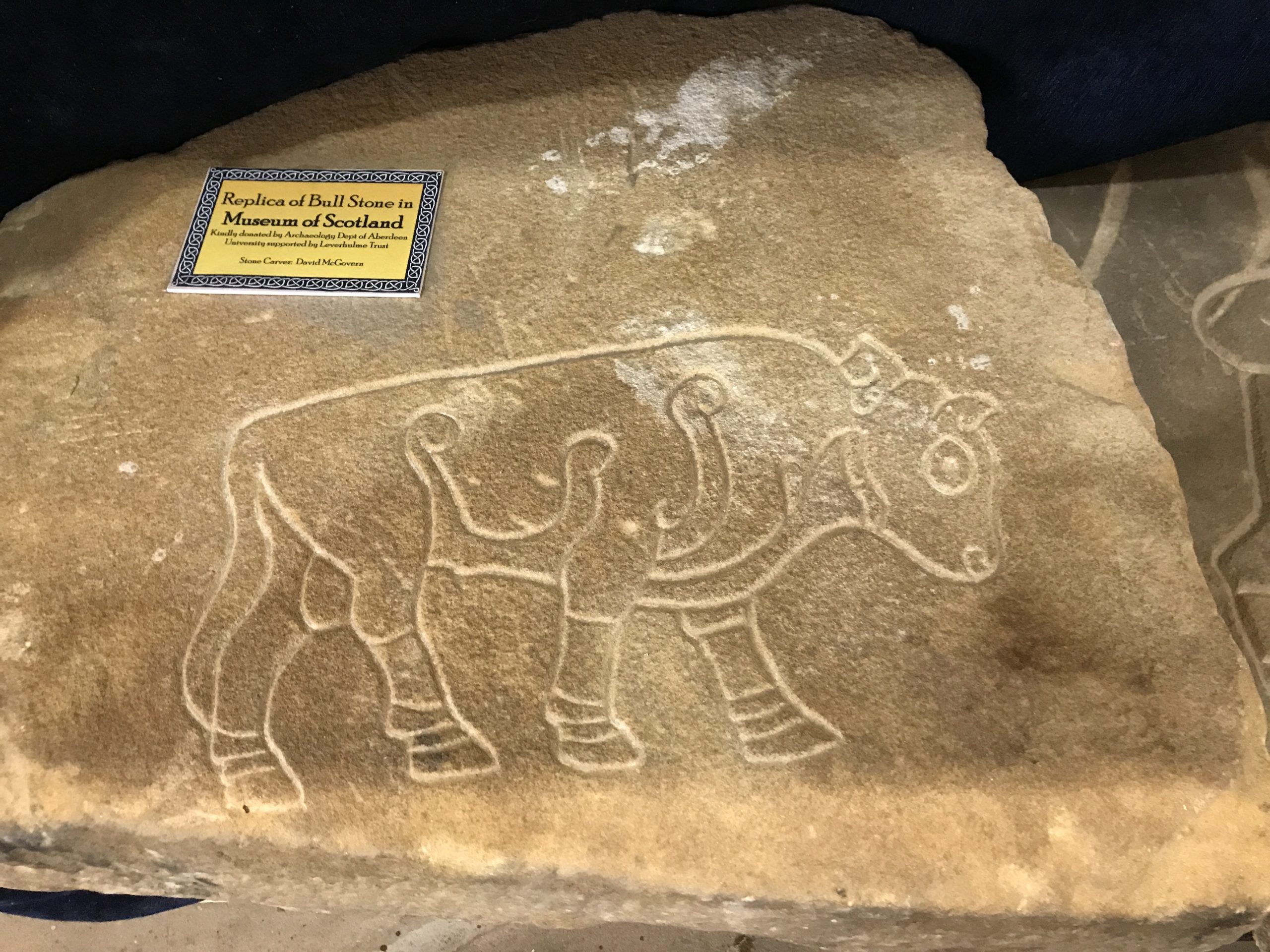
The Burgheid Bull (Image Credit: Ashley Douglas)
Was the bull, whase cairvit representation has sae faur been fund anely at Burgheid, a symbol o the Verturiones whae bidit there, kythin their micht and pooer? Gien oor lack o mensefu scrievit sources fae the Pechts thairsels, we’ll aiblins nivver ken.
By Ashley Douglas, a pairlamentary reporter, owersetter and scriever based in Embra. Follae her on Twitter at @ashdouglasscot
Header Image: © VisitScotland / Paul Tomkins
