Scotland’s Most “Ground-Breaking” Archaeological Discoveries from 2020
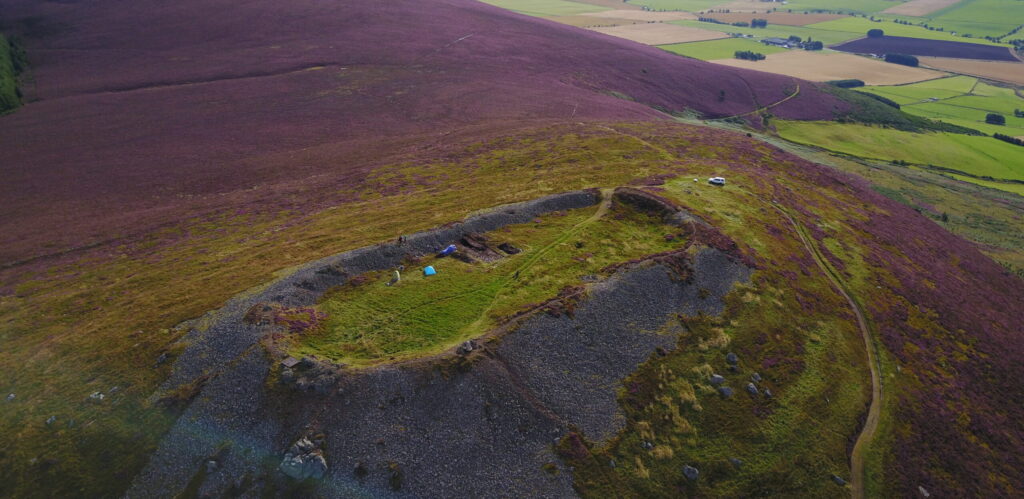
A Pictish hillfort, 5,000-year-old textiles and hundreds of medieval skeletons are among the top finds
The pandemic has had a profound impact on the Scottish archaeological sector, with the majority of commercial archaeology being brought to a standstill during the lockdown and most community-led groups unable to continue their work at all. However, archaeologists and volunteers still managed to uncover new details about Scotland’s past in the lab and on site.
Once again, we’ve compiled a list of some of the biggest stories from the last 12 months:
1. Scotland’s Largest Pictish Site
In May, the University of Aberdeen announced that they’d identified one of the largest ancient settlements ever discovered in Scotland.
University archaeologists from the Leverhulme Comparative Kingship Project uncovered evidence that up to 4,000 people may have lived or gathered in hundreds of houses on the summit of Tap O’ Noth in Aberdeenshire around 1,700 to 1,400 years ago. The discovery was made this year when the team radiocarbon dated (a method for determining the age of an object containing organic material) samples which were gathered in 2019. This information was combined with drone surveys and laser technology which showed that there are hundreds of hut platforms within the fort – described as “potentially verging on urban in scale”.
The Picts dominated parts of Scotland for centuries and were first mentioned in late Roman writings as a collection of troublesome social groupings. They disappeared from written records around 1,100 years ago, which means that every discovery helps fill another gap in this enigmatic period of Scottish history.
It’s hoped that more excavations can take place in 2021 and people will visit Aberdeenshire to explore the site when it’s safe to travel.
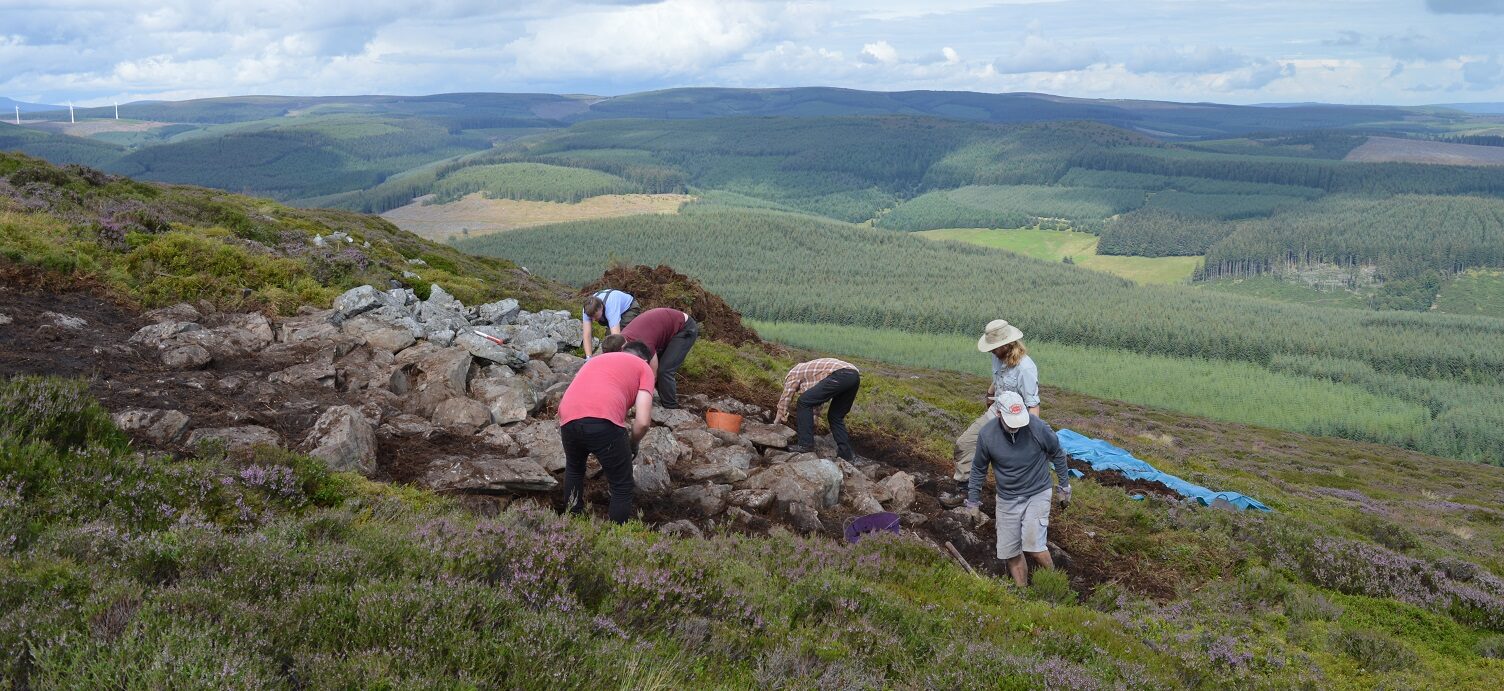
© University of Aberdeen
2. Scotland’s Oldest Woven Cloth
In June, it was announced that evidence of a woven Neolithic textile had been found at the Ness of Brodgar in Orkney.
Organic material from prehistory does not often survive, so the study of Neolithic textiles has to rely on secondary evidence such as the impression that the fabric left when it was pressed against the wet clay of a pot 5,000 years ago. The impressions appear on the inner face of the vessel which suggests that they were made by the potter’s clothing during the pot’s creation.
They were discovered by a volunteer as part of a University of the Highlands and Islands project which examines pottery from the site. The project uses a technique called Reflectance Transformation Imaging (RTI), which combines multiple photos of a subject to create a highly detailed image that can reveal surface details not visible during normal examination.
The Ness of Brodgar team has been investigating this massive complex of monumental Neolithic buildings since 2012, but all excavation and fieldwork was put on hold this year due to the pandemic. The team plans to resume their work in 2021 with tours and open days for members of the public.
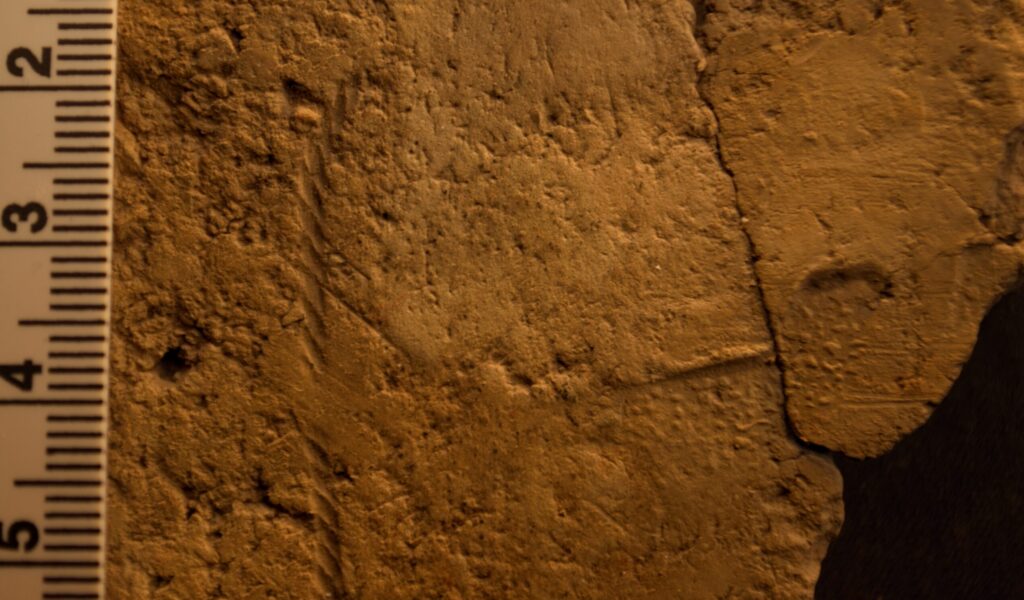
Cord impression on the pot with textile to the right (Image Credit: Jan Blatchford / Ness of Brodgar)
3. Stories from Scotland’s Capital
When lockdown was lifted in the summer, archaeologists began unearthing skeletons and artefacts from a medieval cemetery in Leith that were to be affected by the work to extend the Edinburgh Tram line to Newhaven.
The discovery of over 350 burials which could date as far back as 1300 came as no surprise given the results from the 2008 excavations, but this wasn’t the team’s only find. GUARD Archaeology Limited managed by the City of Edinburgh Council’s Archaeologist uncovered a wealth of other artefacts at the South Leith Parish Cemetery.
These included a rare cannonball that may have been fired during the 1559-60 Siege of Leith, and finds with international connections, including pottery and a coin of Dutch origin which dates to 1628. Perhaps the most unusual discovery was the bones from the fin of an adult sperm whale dating to around 1800 which shone a spotlight on Leith’s industrial whaling past.
Since volunteering opportunities were put on hold due to the pandemic, the team released vlogs on the Trams to Newhaven YouTube channel to keep members of the public informed. Future facial reconstructions and forensic reports will also reveal more about the city’s medieval inhabitants, including a potential murder victim who was found on her own in a “crouching position” towards the end of the dig.
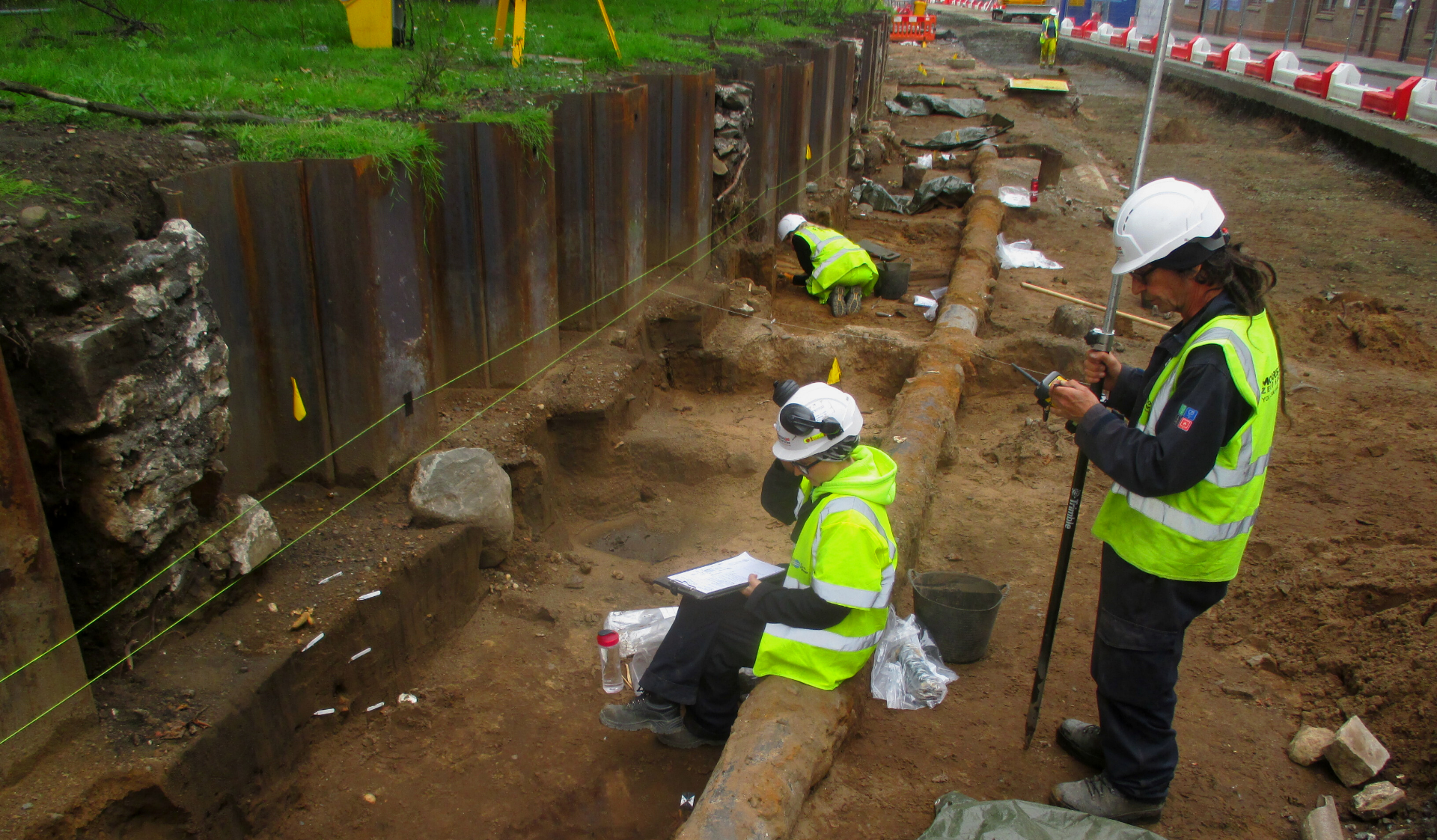
South Leith Parish Cemetery associated with St Mary’s and Port of Leith underlying Constitution Street in Edinburgh (Image Credit: City of Edinburgh Council / Trams to Newhaven)
Dr Jeff Sanders, Project Manager at Dig It!, said:
“Archaeology is all about discovering Scotland’s stories and these are just some of the new chapters that have been added despite the pandemic, with other finds ranging from a major Iron Age village in Aberdeenshire to a “lost” medieval bridge in the Scottish Borders. As Scotland’s Archaeology Strategy reminds us, archaeology is for everyone, so we hope you’ve been inspired to get involved in 2021 when it’s safe to do so.”
Amy Eastwood, Head of Grants at Historic Environment Scotland, said:
“Despite a lot of archaeological work being put on hold this year due to the pandemic, the sector has continued to unearth exciting discoveries. This archaeological work is crucial to our understanding of Scotland’s past, and we’re delighted to support and promote the fantastic work being carried out throughout the country.”
Want to get started? Remember that we advertise free (or low-cost) virtual and in-person archaeology events throughout the year which are open to everyone.
Dig It! is coordinated by the Society of Antiquaries of Scotland and primarily funded by Historic Environment Scotland.
Header Image: Tap O’ Noth © University of Aberdeen
