Prehistoric Rock Art, a Medieval Abbey and Scotland’s Earliest Railway: Scotland’s Summer Archaeology Opportunities Revealed
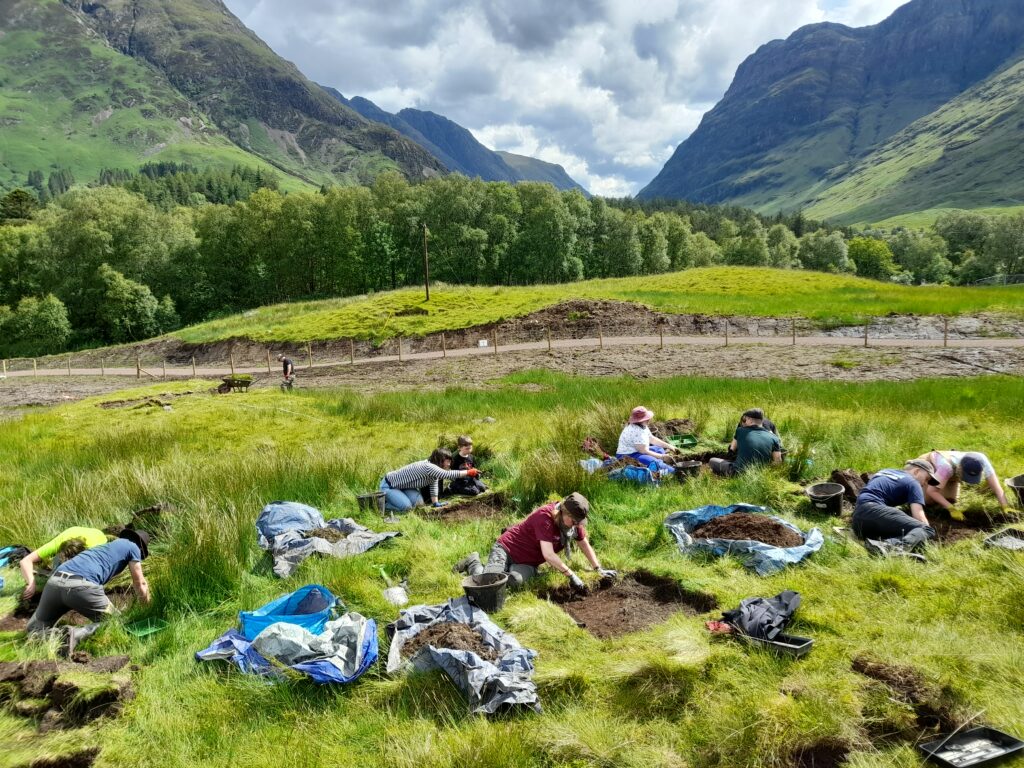
The Scotland Digs 2025: Meeting People campaign is highlighting summer archaeology opportunities for the public and the wellbeing benefits of getting involved.
Now in its seventh iteration, our national campaign is taking place on Friday 20 June 2025 to promote opportunities for the public to engage with archaeology this summer.
This year’s campaign theme – Meeting People – is also raising awareness of the wellbeing benefits of archaeology, both in terms of learning about people from the past and connecting with other individuals at these events.
Survey, recording, excavation and more will take place in urban and rural areas coordinated by a range of organisations across the country, with many sites welcoming the public with free tours, open days and volunteering opportunities – no experience required. For example:
Throughout the summer, the public can contact Archaeology Shetland to help survey what remains of Shetland’s meal roads. This network of roads was created as part of a famine relief scheme in the mid-1800s where residents – including children – received meal (coarse flour) in exchange for their labour. On 23 August, the public are also invited to help record a large and complicated 19th-century crofthouse.
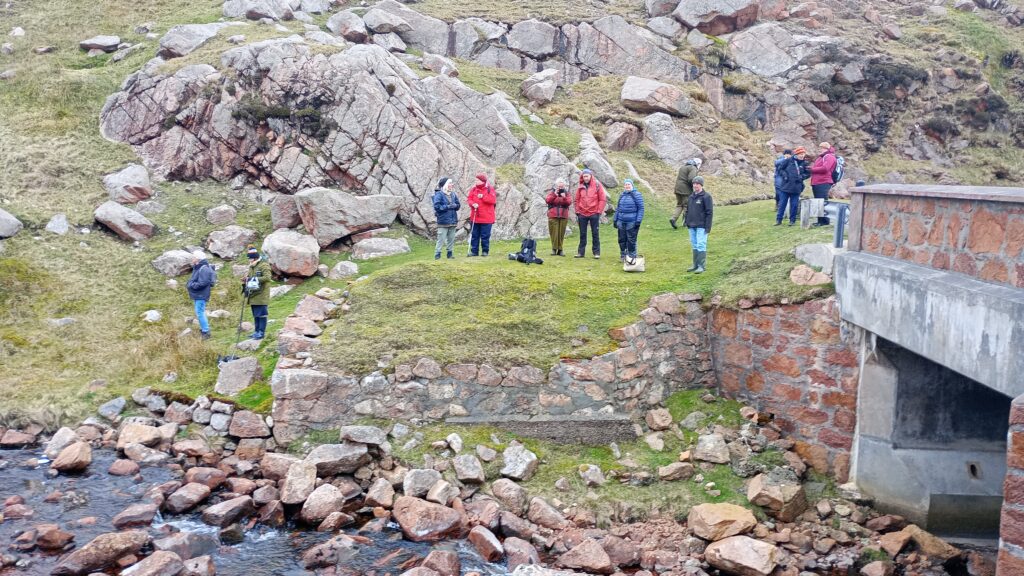
Surveying at an Archaeology Shetland event (Credit: Stephen Jennings FSAScot)
In Fife, the Monastic Archaeology Field School are excavating the 12th-century Lindores Abbey, which has a long tradition of distilling. Students from Global St Andrews Summer School are addressing research questions relating to the surrounding landscape and the use of water, including its environmental impact. From 21 June to 4 July, the public can visit from Wednesday to Friday between 11am and 3pm, including on their Open Day on 3 July which will feature site tours and a showcase of the finds.
Between 24 June and 8 July, the University of Glasgow and the National Trust for Scotland are investigating an early modern township in Glencoe to uncover how the communities built relationships with their landscape and managed their resources. Visitors can drop in between 10am and 4pm (aside from 1 and 5 July) or contact the team to volunteer. On 5 July, they will also host a festival at the Trust’s turf house with excavation tours, storytelling, artefact handling and more.
In September, the 1722 Waggonway Heritage Group are returning to the East Lothian site where remains of Scotland’s earliest railway were discovered in 2021. They want to learn more about this wooden track, which was constructed over 300 years ago to bring coal from Tranent to the salt pans and harbour at Cockenzie and Port Seton. The public can drop in to visit or help at the excavation on 5 and 6 September or enjoy a tour on 7 September.
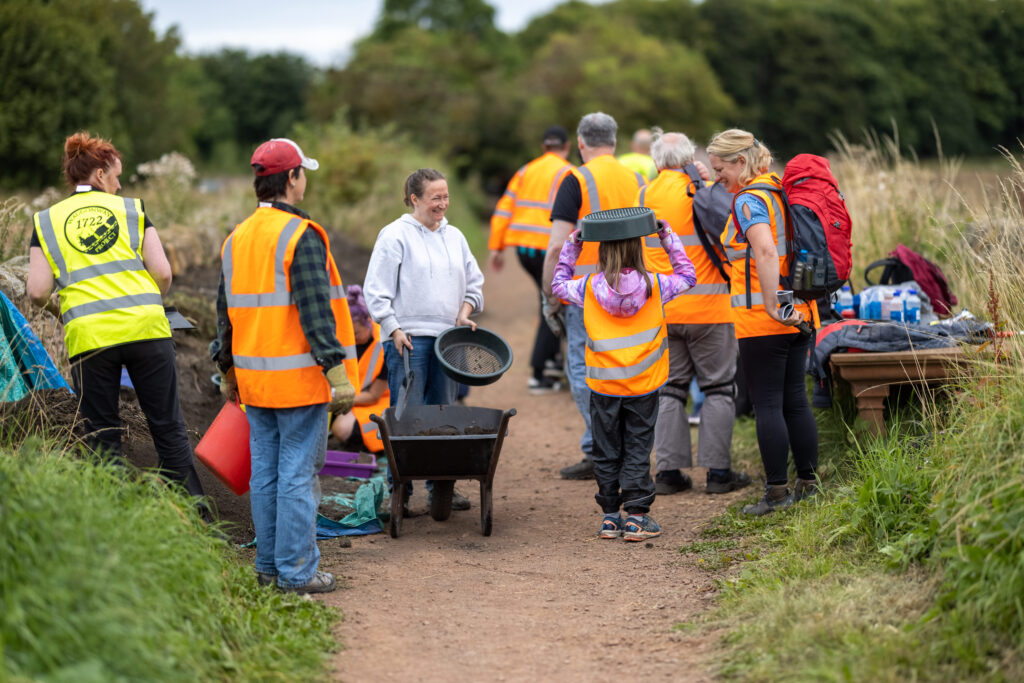
Participants at the 2021 waggonway excavation (Image Credit © Shahbaz Majeed 2021)
From 18 to 20 September, Stirling Council’s Archaeologist Dr Murray Cook FSAScot and Fintry Museum will be digging at Balgair in Stirlingshire, a site with a history thought to span 4,000 years. Their work began in 2024 with the hunt for a medieval village that vanished around 1800, although quartz artefacts and LiDAR images of prehistoric houses and a possible hillfort suggest that the site was also occupied thousands of years earlier. The public can register to join the dig and help continue the investigations.
In September, Perth and Kinross Heritage Trust are also running a community excavation of prehistoric rock art near Aberfeldy, which was created over 5,000 years ago. The excavation aims to enhance our understanding of the carvings, of their relationship to the surrounding landscape, and of Scotland’s rock art more widely, while promoting community engagement and raising public awareness. The public are invited to register to help with the dig or drop by the Open Day, the details of which will be announced soon.
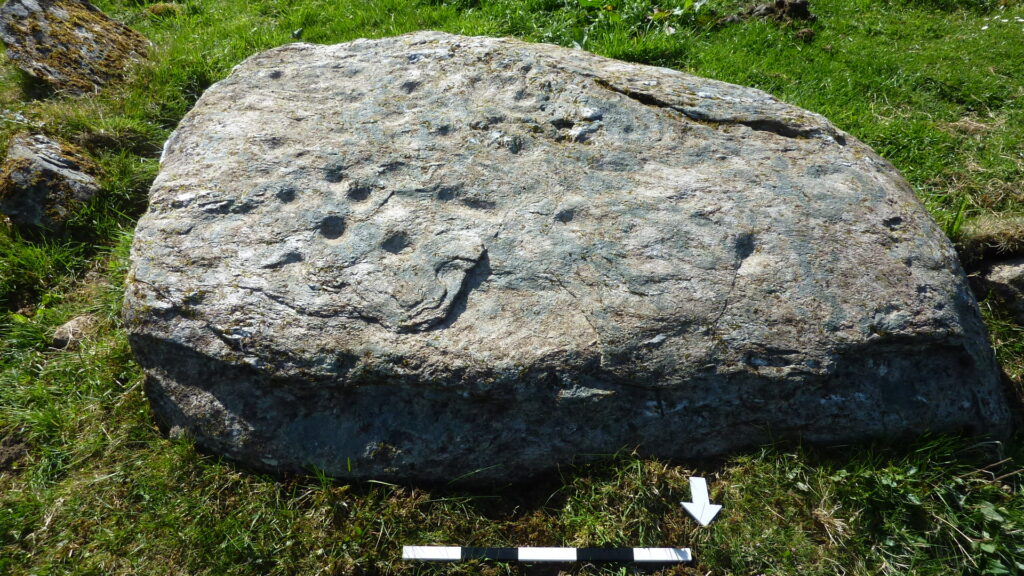
One of several boulders with prehistoric carvings that the rock art excavation will focus on (Image Credit: T Barnett)
More information about summer fieldwork opportunities and archaeology’s connections to wellbeing will be posted on social media on Friday 20 June with the campaign hashtag: #ScotlandDigs2025.
Dr Jeff Sanders FSAScot, Head of Outreach at the Society of Antiquaries of Scotland, said:
“A growing number of studies are showing that archaeology can have a positive impact on wellbeing. The results of archaeological investigations can help us feel connected to the past, giving a sense of both perspective and appreciation of the places we live in and visit.
“But actually getting involved in fieldwork is also richly rewarding and offers the chance to connect to others. These connections, whether to people from thousands of years ago or to fellow volunteers on site, is what our ‘Scotland Digs 2025: Meeting People’ campaign is all about.”
Dr Susan O’Connor, Head of Grants at Historic Environment Scotland, said:
“Doing archaeological fieldwork allows people to get up close and personal with their historic environment, fostering a sense of pride and connection to the past. The Society of Antiquaries of Scotland’s Dig It! project is a wonderful way for members of the public to learn about their heritage, from Shetland’s meal roads to Scotland’s earliest railway in East Lothian.
“We are proud to support such a successful project that embodies Scotland’s Archaeology Strategy of making archaeology matter, as well as supporting our national strategy for the historic environment, Our Past, Our Future.”
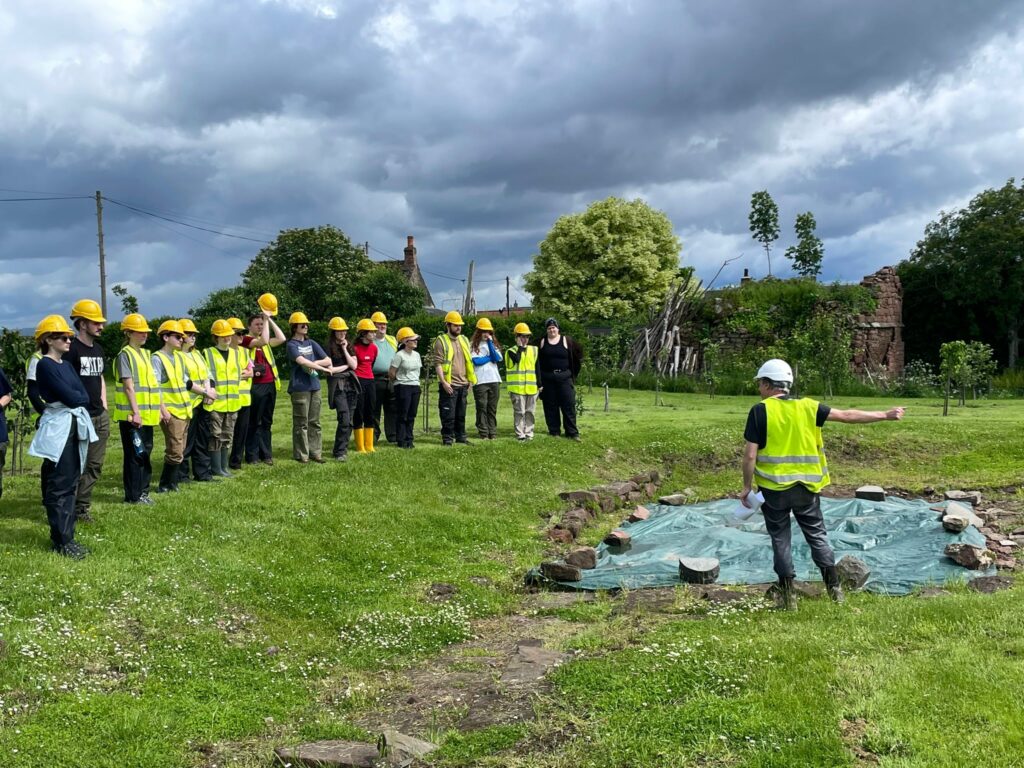
Fieldwork at Lindores Abbey (© Monastic Archaeology Field School)
Information about these summer fieldwork opportunities and more can be found on the Scotland Digs 2025 webpages.
Dig It! is coordinated by the Society of Antiquaries of Scotland and primarily funded by Historic Environment Scotland
Header Image: Glencoe excavation (Image credit: Derek Alexander FSAScot)
