The Archaeology of Edinburgh’s Lost Loch

From Scotland’s last Ice Age to the modern day, the area at the foot of Edinburgh Castle has collected relics from Scotland’s past. Take a trip through thousands of years of Edinburgh history through the archaeology of the Nor’ Loch.
Edinburgh’s Early Occupation
The site of the loch, and a twin loch in the area which is now occupied by the Cowgate, was likely formed over 100,000 years ago when a glacier was forced to split when it met the giant volcanic plug now known as Castle Rock.
When the glacier melted it left two depressions in the ground and the site of Princes Street Gardens became a marshy natural defence below the imposing volcanic rock, which was occupied by a fort from the late Bronze Age or Early Iron Age, around 800 BC.
Archaeologists have also found evidence of habitation from the 1st and 2nd centuries AD; Roman material, including pottery, bronzes and brooches, suggests a possible trading relationship between the Romans and the Votadini. These Celtic people controlled much of south-east Scotland and north-east England and may have made their home on Castle Rock.
In the 19th century, a Pictish symbol stone was found being used as a footbridge on one of the walks in Princes Street Gardens, just below Castle Rock. It dates from the 7th or 8th century and bears two mysterious carved symbols typical of many other Pictish symbol stones. The stone is now in the National Museum of Scotland. However, the Picts were a Celtic people who lived predominantly in eastern and northern Scotland during the Late Iron Age and Early Medieval periods, so how did this stone find its way to Edinburgh?
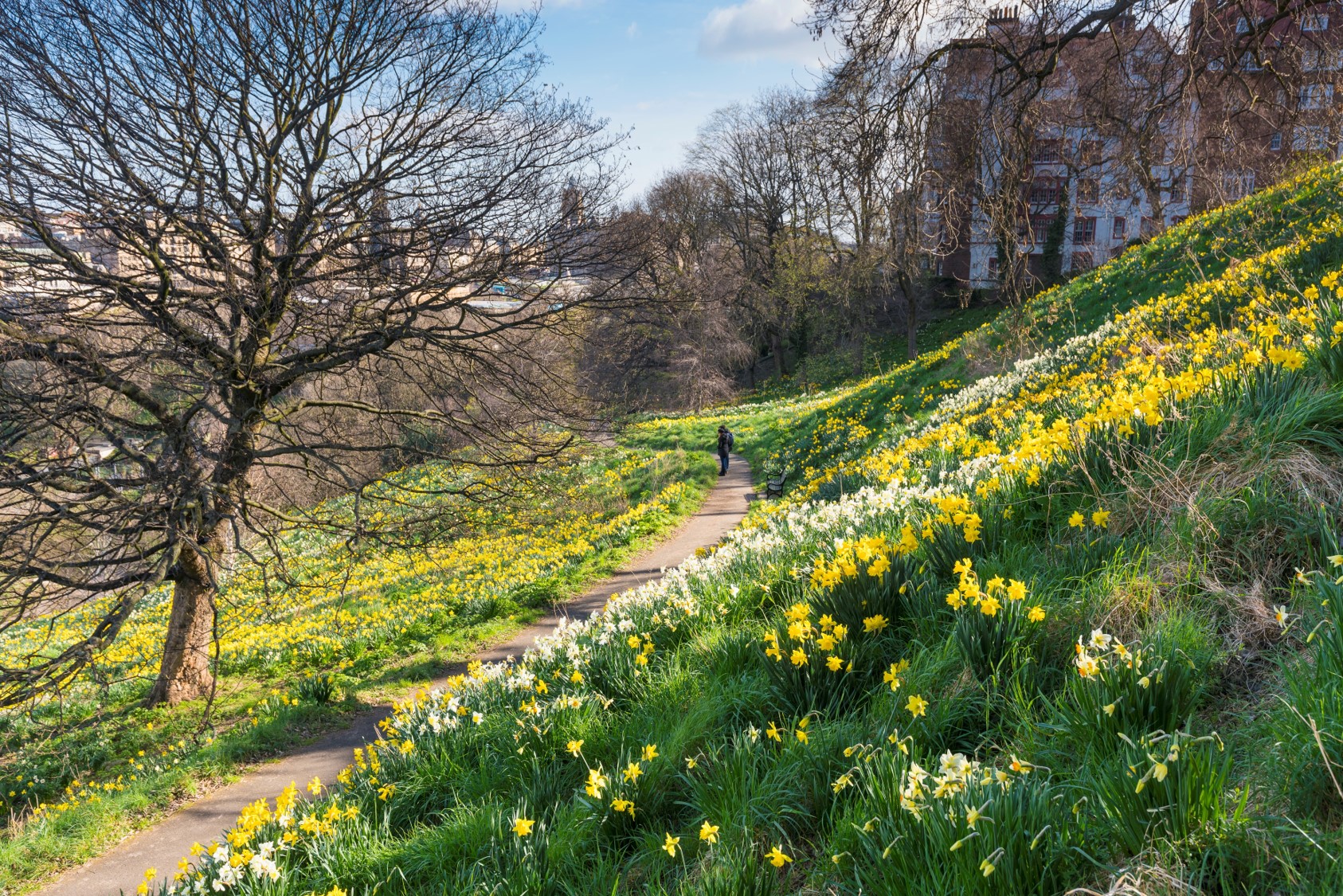
Princes Street gardens west (© VisitScotland / Kenny Lam)
Edinburgh Castle’s Medieval Defences
The origins of the Nor’ Loch stretch back over 100,000 years, but the actual loch did not come into existence until 1460, when King James III ordered the marshy area to be flooded to strengthen the medieval castle’s defences. Edinburgh Castle is known as the most besieged fortress in Britain, and the great body of water would have certainly made any invader’s task very difficult.
Today, the remains of a medieval fortification, known as the Wellhouse Tower (seen at the foot of the castle in the drawing below), stand at the base of Castle Rock close to what would have been the edge of the Nor’ Loch. Analysis suggests that the 14th century building was altered during use and may have been at least three storeys high, with a dedicated square well-tower which supplied the castle with clean water. The tower may have also protected a path down the edge of Castle Rock. Archaeological finds include 14th or 15th-century pottery, most from a late medieval jug.

Witchcraft and punishment in Scotland’s capital
One of the most tragic stories attached to the Nor’ Loch is that it was used as a place for ‘witch ducking’. ‘Witch ducking’ or ‘the swimming test’ was employed by witchcraft prosecutors in some areas of Europe as a method of identifying whether or not a suspect was guilty of witchcraft. Needless to say, this was a barbaric and futile practice.
It is not known exactly how many people, mostly women, were killed in this way before drowning as a form of execution was outlawed in Scotland in 1685. It is believed that eleven women were subjected to this punishment in a single day in 1624. There are now calls for a national monument to commemorate the lives of those who were killed in Scotland after being accused of witchcraft.
In 1820, workmen digging close to the Wellhouse Tower discovered a large coffin containing three skeletons thought to be criminals who also met their fate in the murky waters of the loch. The find has been linked to the early 17th-century case of George Sinclair, who confessed to committing incest with his two sisters. The facts of this case are sketchy, with some reports stating that all three people were sentenced to death, but the younger sister was pardoned by the Church. The story goes that Sinclair, along with one or both of his sisters, was placed in a large chest with holes drilled in it and thrown into the loch to drown. Could the skeletons found in 1820 be those of the Sinclair family?
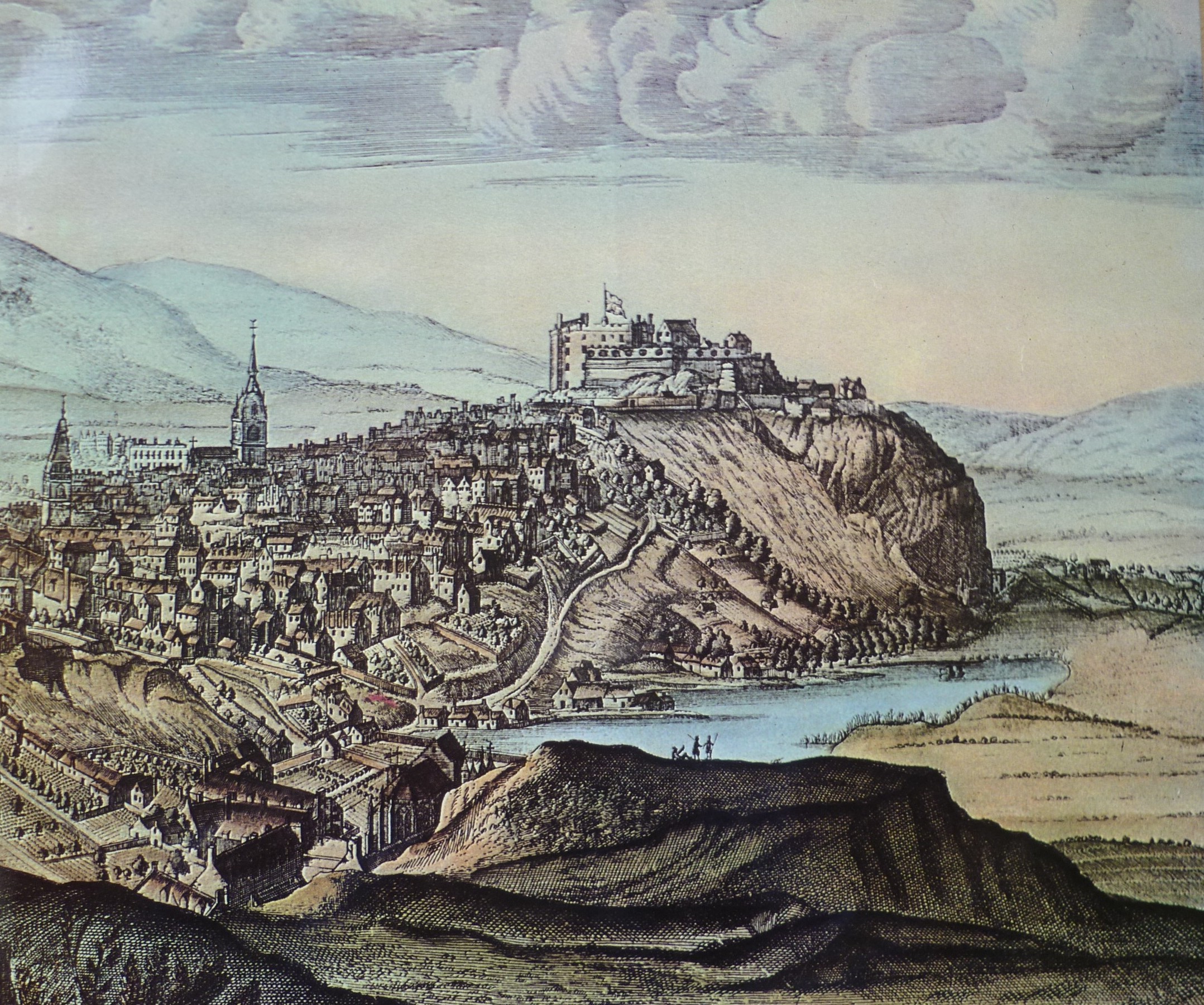
The Nor’ Loch was drained in the late 18th century to allow construction of North Bridge and later Princes Street Gardens, which are still in existence today. For several decades after draining of the Loch began, Edinburgh residents continued to refer to the area as the Nor’ Loch.
Featured Image: Princes Street Gardens, the site of the Nor’ Loch (Image Credit: VisitScotland / Kenny Lam)
Want to explore more of Edinburgh’s stories? Check out our Discover page.
