From A to B: Archaeology and Bishops in Scotland
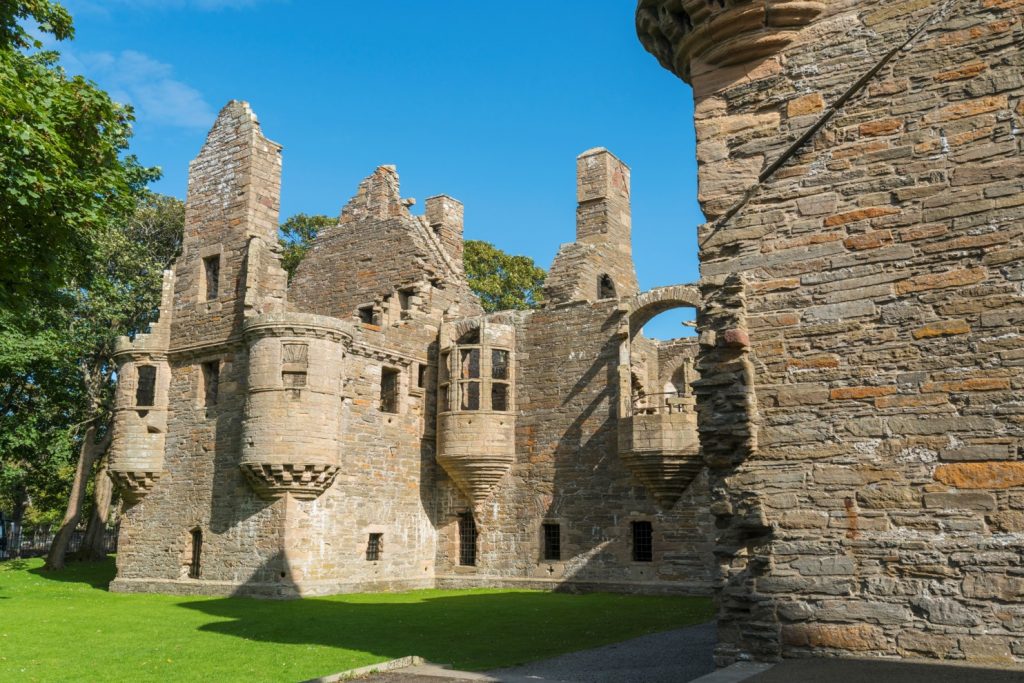
From the earliest days of Christianity in Scotland, bishops were among the most powerful men in the land. With great influence over the country’s religious practices, and later its government, they left behind remnants of the early Christian faith and, for later medieval bishops, their luxurious lifestyle.
Aberdeen’s Medieval Skeleton
Bishop Elphinstone founded the University of Aberdeen in the late 15th century with the approval of King James IV and the Pope. The first building was the college of the Holy Virgin in Nativity, now King’s College, which was completed in 1506.
Modern renovation works have uncovered some curious finds in King’s College chapel. When stonemasons repaired the exterior wall, they came across four broken pottery jugs, contemporary with the time when the building was erected. It appears that the jugs had been deliberately placed in the wall, as the stones had been carefully trimmed to provide space for them. Why were they put there?
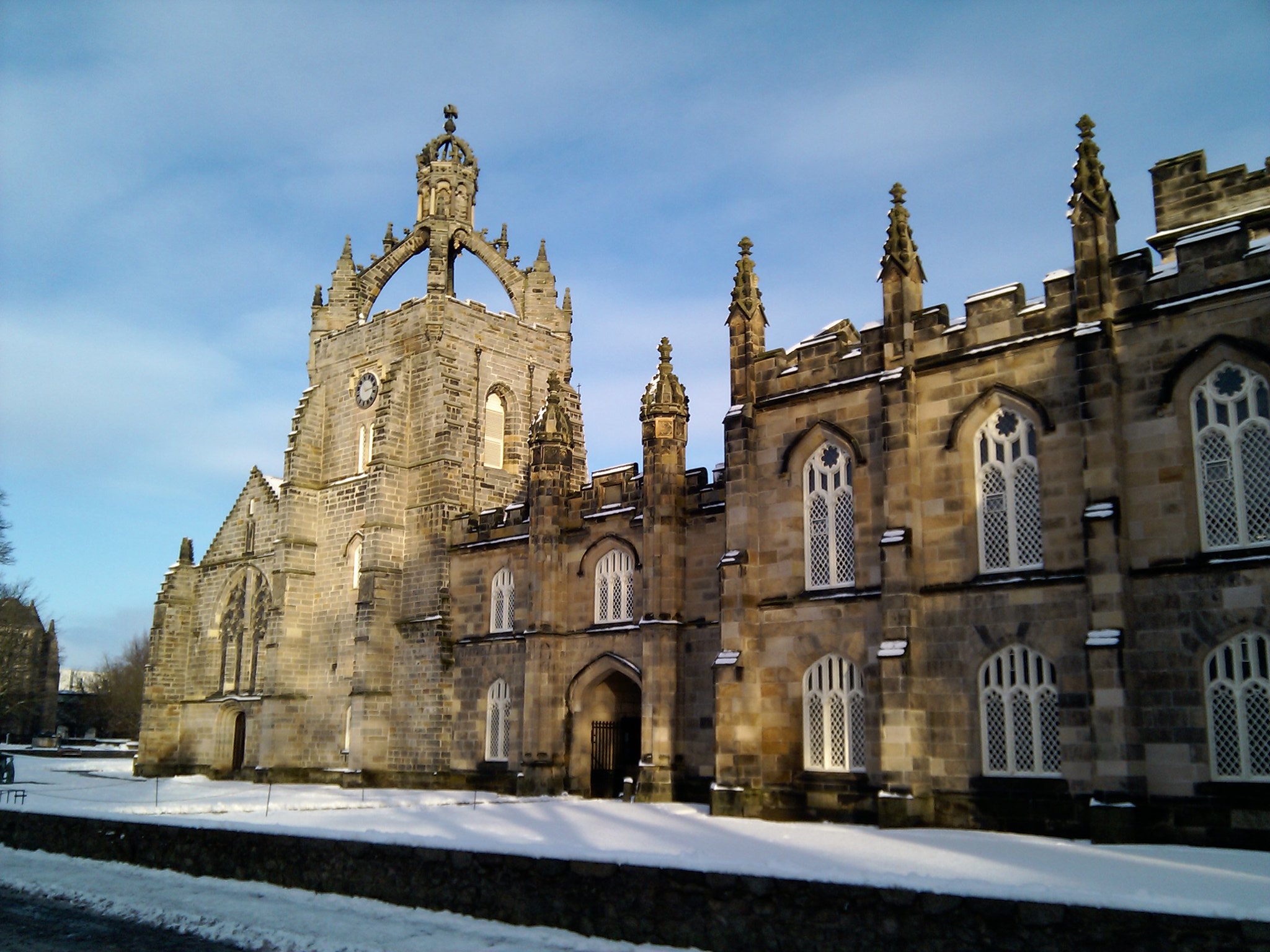
An even bigger mystery was unearthed in 2003, when the partial remains of a human skeleton were found beneath the floor when it was ripped up to replace the chapel’s organ. Radiocarbon dating gave a date for the burial of 1030-1220 – well before the construction of the chapel in the early 16th century. Who this person was, and how they got there, remains unknown.
Glasgow’s Forgotten Fortress
The medieval bishops of Glasgow had numerous residences, some of which are mentioned in their surviving charters which have inspired archaeologists to search for their remains.
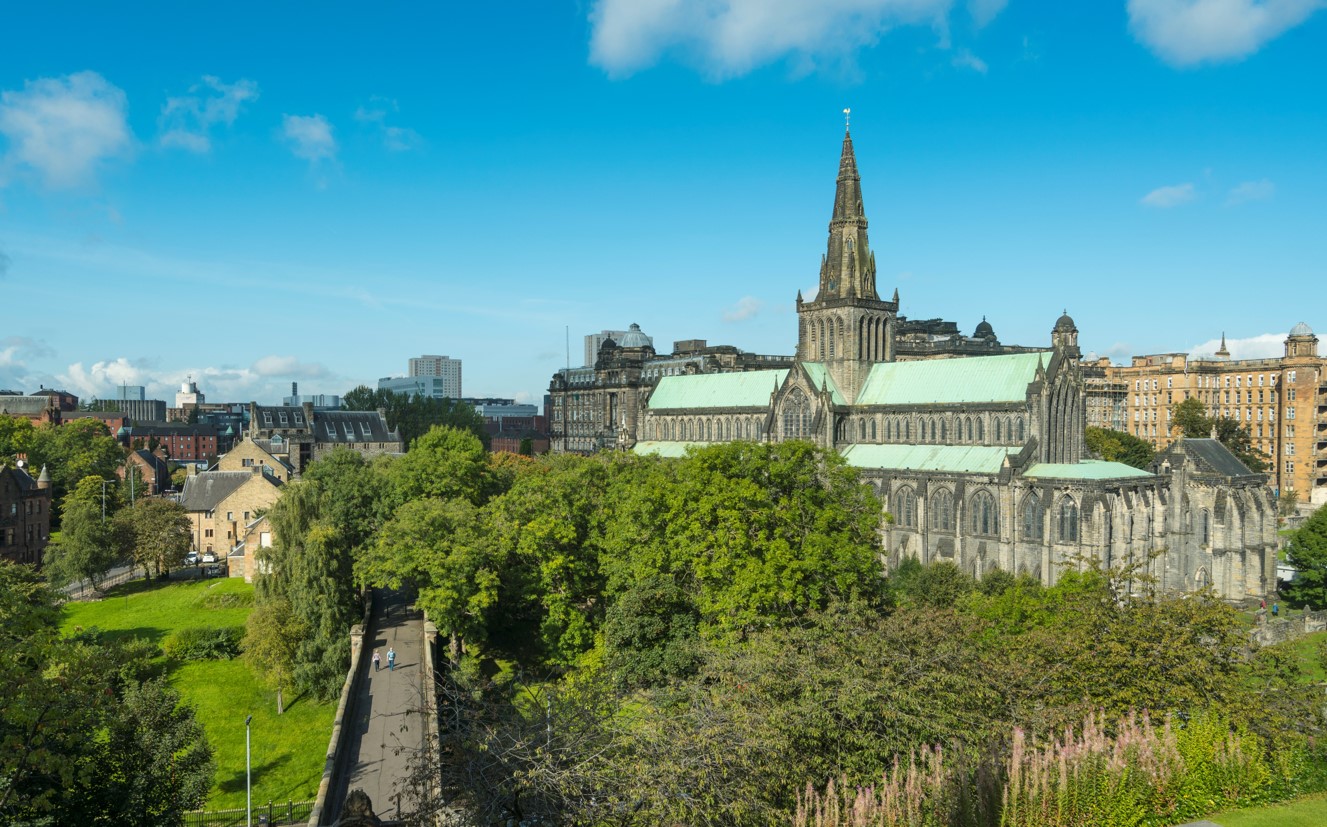
Glasgow Cathedral (Image Credit: VisitScotland / Kenny Lam)
In 2016, finds of ‘national significance’ were uncovered on the site of the medieval Partick Castle. The lands of Partick were given to Glasgow Cathedral in 1136 by King David, and it’s thought that the bishops used this land to build a fortress (now lost) which served as their country seat. The team found ditches, a well and several stone walls, as well as a wealth of pottery, metalwork, leather, glass and animal bones, which matched the time that the castle was in use.
80 miles south-east of Partick in the Scottish Borders lies another potential palace. Records reveal that William de Bondington, bishop of Glasgow in the mid-13th century, had a residence at Ancrum. Over the years, excavations at Mantle Walls have uncovered clues as to what kind of building once occupied the site; large amounts of pottery, human remains, enormous blocks of masonry, and even the torso of a huge medieval statue suggest the presence of a grand residence.
We might be nearing the end of our excavation here at #digMantleWalls but we’re not finished yet! This beautiful piece of carved stone has just come out of Trench B! #NLHFund #HESsupported #FallagoEnvironmentFund pic.twitter.com/7S6AGU1YHw
— AOC Archaeology (@aocarchaeology) September 26, 2019
St Andrews’ Bronze Age Beaker
A bishop’s residence with a turbulent past, St Andrews Castle was an episcopal palace, a fortress and a prison during its 450-year history. Bishop Roger of St Andrews began using the new castle as his official residence in the late 12th century, it was then heavily damaged during the Wars of Scottish Independence, and finally it became the main stage for pivotal events in the lead up to the 1560 Protestant Reformation which would eventually destroy the castle.
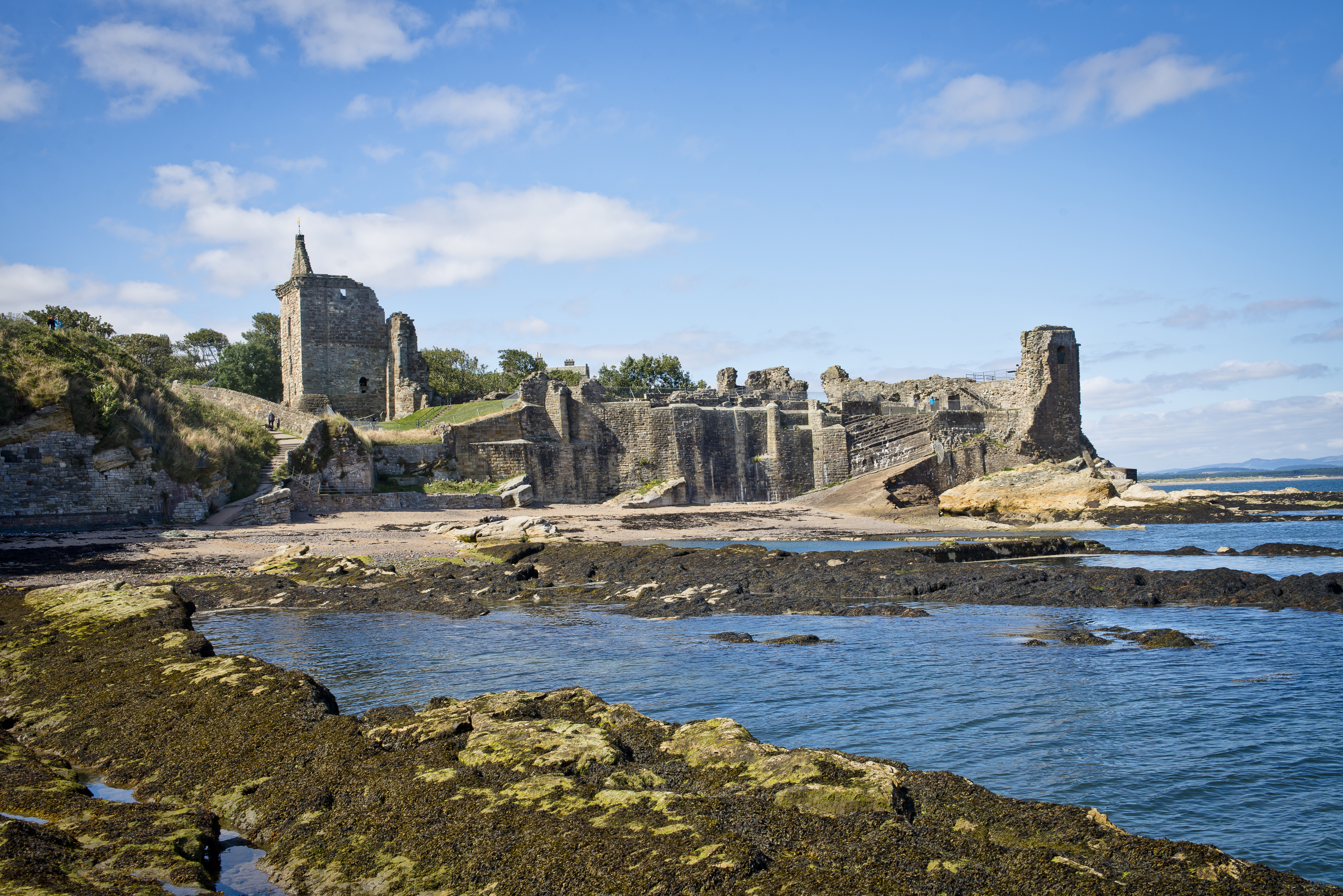
St Andrews Castle (Image Credit: VisitScotland / Kenny Lam)
For years archaeologists have been finding evidence to piece together the narratives of those who lived in and around the site. A Bronze Age beaker found in 1988 showed that people had settled in this part of St Andrews for thousands of years, but the dramatic sea-battered location is best-known for its medieval occupation.

A beautifully intricate 15th-century pilgrim’s badge found within the castle hints at the town’s popularity as a destination for pilgrimage, and the remains of a 14th-century tannery, which possibly operated during a period when the castle lay abandoned, offer a glimpse into the occupations of those who lived there.
Orkney’s Cathedral
Orkney was a part of the kingdom of Norway when the Bishop’s Palace and the mighty St Magnus Cathedral was first constructed in the early 12th century. The Bishop’s Palace is the only episcopal palace ever built in Norse Scotland and at the time, the bishop answered to the archbishop in Trondheim.
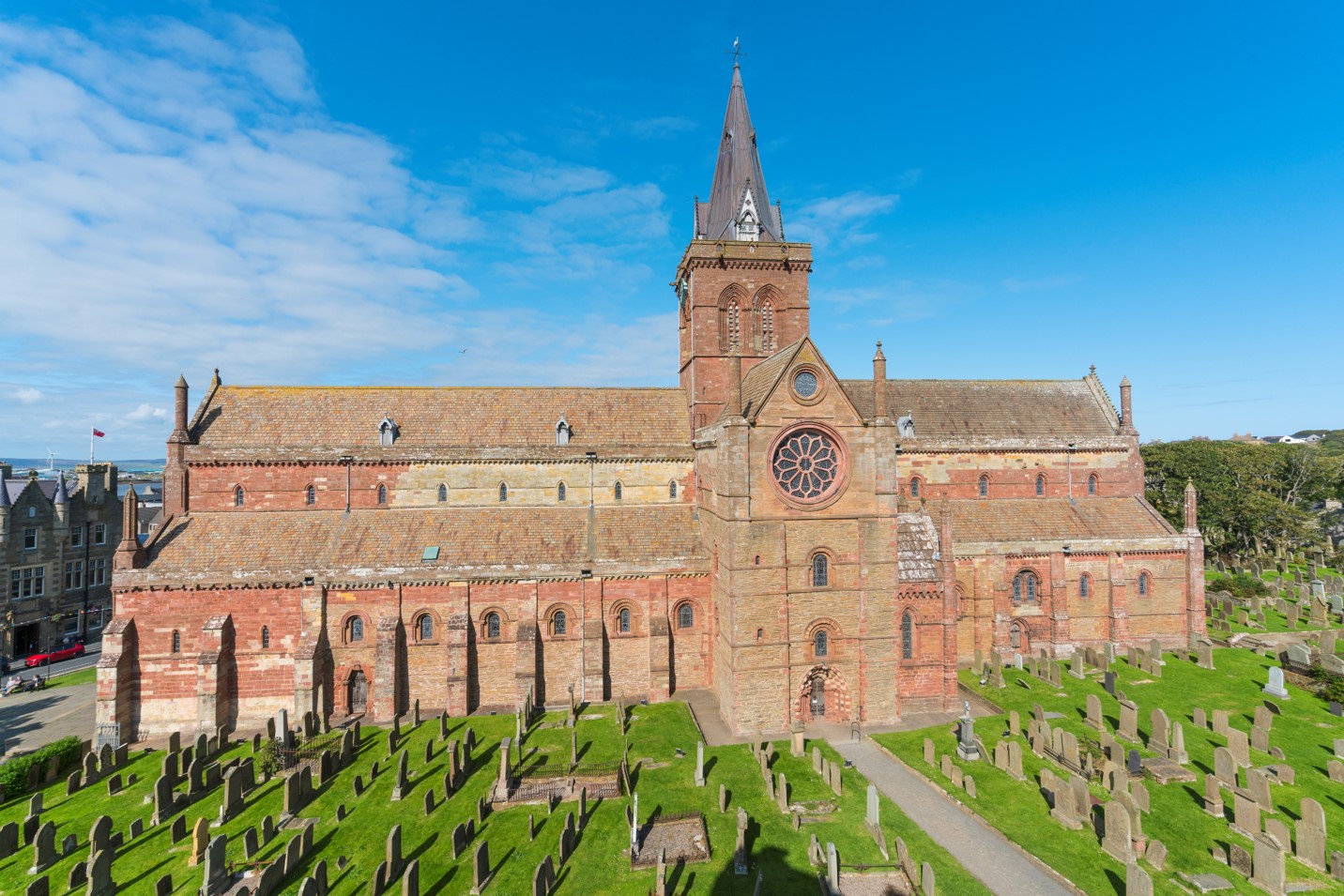
St Magnus Cathedral (Image Credit: VisitScotland / Kenny Lam)
In 2019, archaeologists uncovered evidence of the lost buildings of the St Magnus Cathedral complex just inches under the road’s surface. Roadworks in central Kirkwall uncovered a series of medieval walls, pottery and animal bones. In the 16th century, these buildings would have housed ecclesiastic staff and welcomed pilgrims who’d journeyed from all over the medieval North Atlantic area to venerate the remains of St Magnus.
Whithorn’s Carved Crosses
Known as Scotland’s ‘cradle of Christianity’, Whithorn Priory was a centre of Christian worship for more than a millennium, and is bursting with a thousand years of archaeology. It’s said to have been founded in the mid-5th century by Saint Ninian, Apostle to the southern Picts and Bishop of Whithorn. Recent research suggests that in fact Whithorn may have begun as an important secular (non-religious), possibly even royal, settlement.
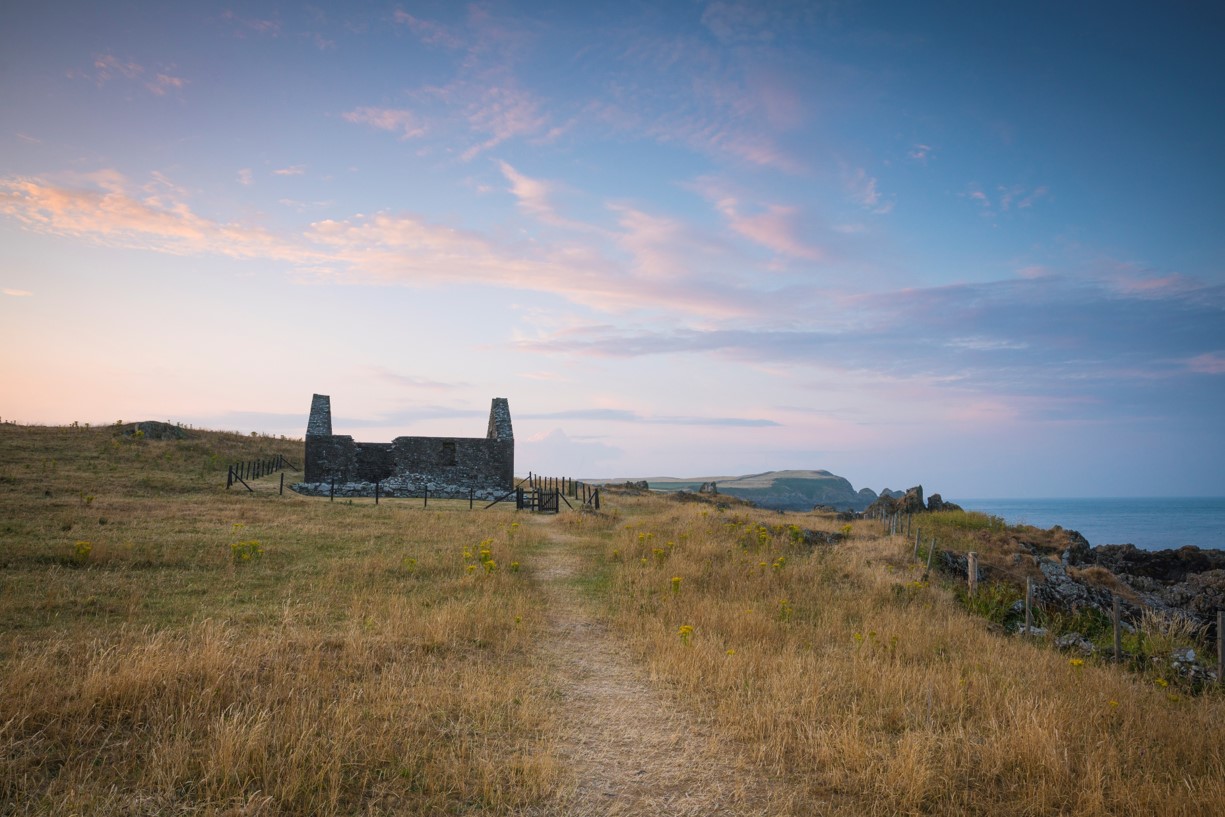
St Ninian’s Priory, Whithorn (Image Credit: VisitScotland / Kenny Lam)
The Latinus Stone, discovered beneath the priory ruins in the 1880s, is the earliest evidence we have of Christianity in Scotland and dates to the 5th century. A stone-carving tradition known as the ‘Whithorn School’ arose in the medieval period and many of the carved crosses, with their elaborate, entwined patterns, can be seen in the on-site museum.
1,600 graves have been excavated around the priory; some of which, belonging to bishops and priors, have produced a wealth of finds. Currently on display at the National Museum of Scotland is the fabulous gold 12th-century crozier (a hooked staff carried by a bishop as a symbol of their office) found in the grave of one of the bishops.
There is also a nearby replica of an Iron Age roundhouse which you can visit today.
Feeling inspired by our list? Read more on our Discover page.
Featured Image: The Earl’s Palace (Image Credit: VisitScotland / Kenny Lam)
