How to Have a Climate-Friendly Archaeology Experience in Scotland
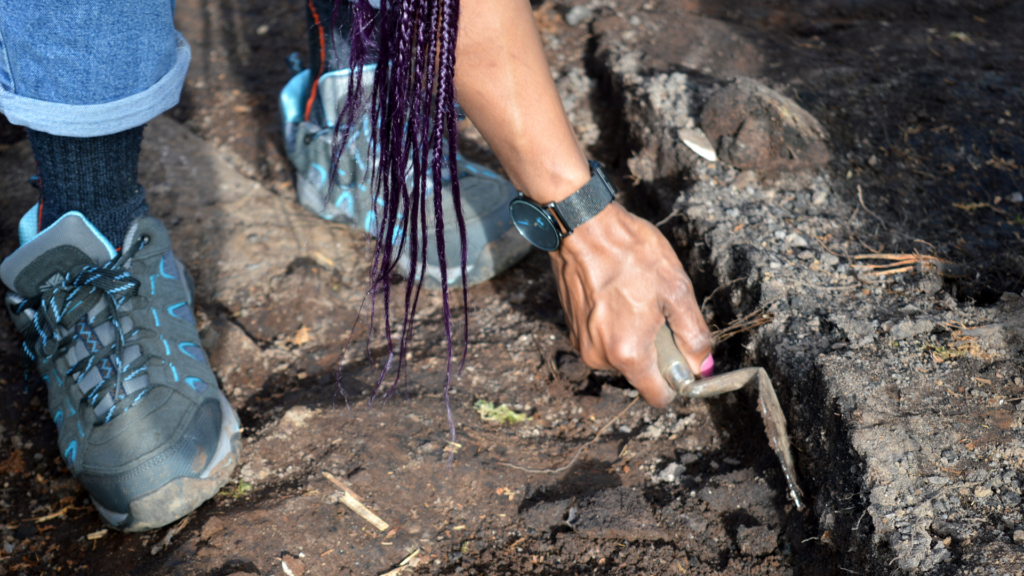
Whether you’re attending a dig open day, helping out with fieldwork or visiting an excavated site, there’s plenty of ways to reduce your impact on the environment.
Why? In addition to the global impact caused by the climate emergency, Scotland’s historical and archaeological sites are at risk. Increased storminess and rising sea levels, for example, are endangering the country’s coastal heritage sites, wetter summers combined with increasingly high footfall have led to damaging erosion around standing stones and more.
But you can help.
Travel as Sustainably as Possible
Travel is often required to visit archaeological sites, but transport produced 27% of the UK’s total emissions (a major contributor to climate change) in 2019 with the majority coming from road transport vehicles such as cars.
If possible, try to walk, wheel or cycle when visiting archaeological sites. Public transportation is also better for the environment than driving and lot of online maps now let you choose between most of these of options. Some excavations, such as the Ness of Brodgar in Orkney, even provide guidance for anyone looking to take the bus. Of course, a lot of archaeological sites are in remote locations – in which case, why not consider car sharing with other volunteers or event attendees?
Try to Pack a Climate-Friendly Lunch Bag
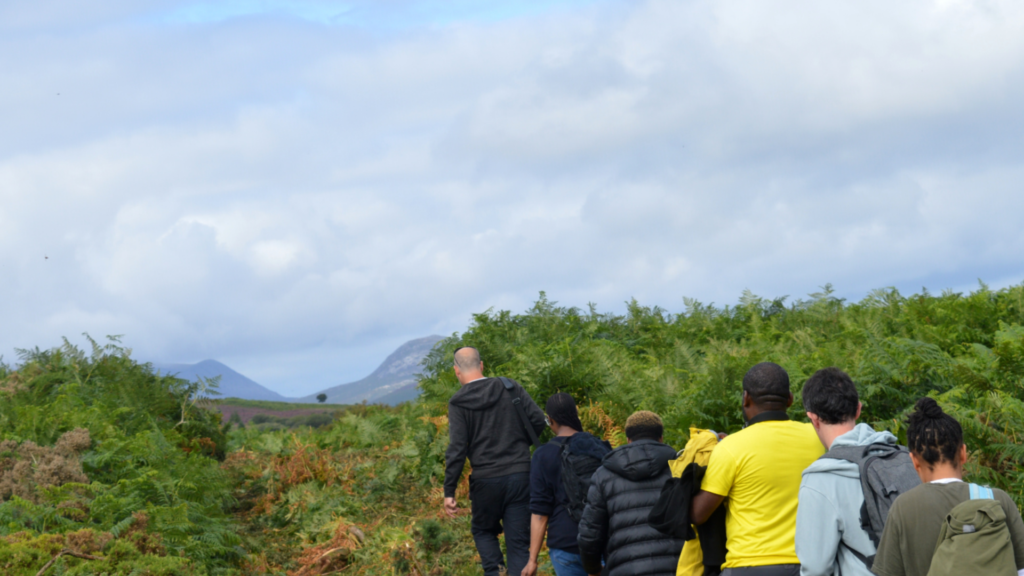
Packing food is always a great idea when setting off to explore or unearth Scotland’s past and there’s lots of options to avoid contributing to the climate crisis in the process.
As you probably know, plastic packaging sticks around in the environment (threatening wildlife and spreading toxins) and contributes to climate change, while unwanted or uneaten food releases greenhouse gas methane into the air – a gas that’s even more harmful to the planet than carbon dioxide. It’s also estimated that livestock makes up more than 14% of all human-made greenhouse gases, including methane, with beef having the highest environmental footprint.
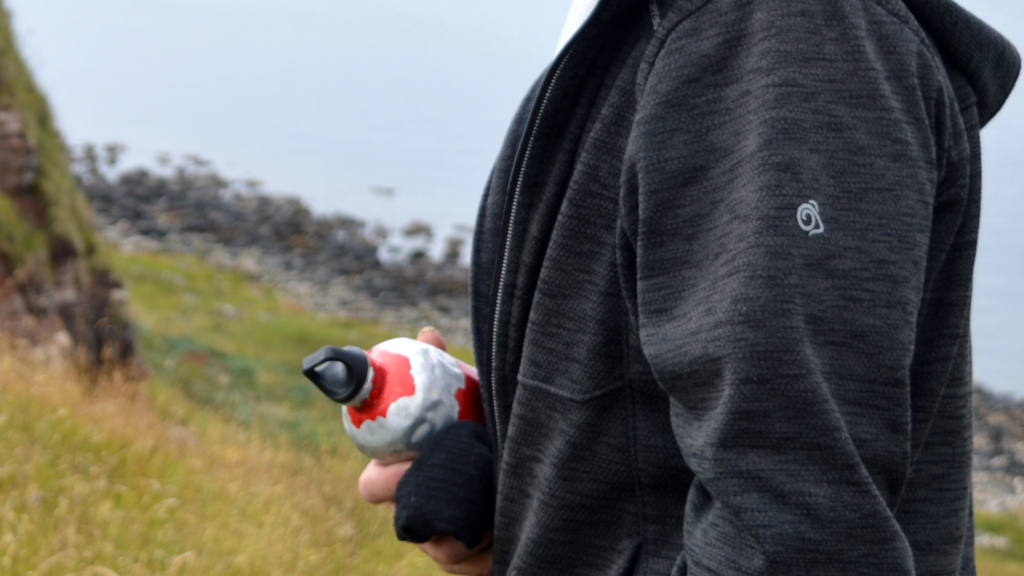
Zero Waste Scotland has lots of suggestions if you want to help, for example, using tea towels to wrap up food (which doubles up as napkins) and bringing leftovers home to turn them into another meal. You could also swap meat and animal products (such as milk and cheese) for plant-based alternatives and pack local, seasonal fruits and vegetables instead of pre-packaged snacks.
Talk About It
Fieldwork tends to be very social, so you should have lots of opportunities spread the word.
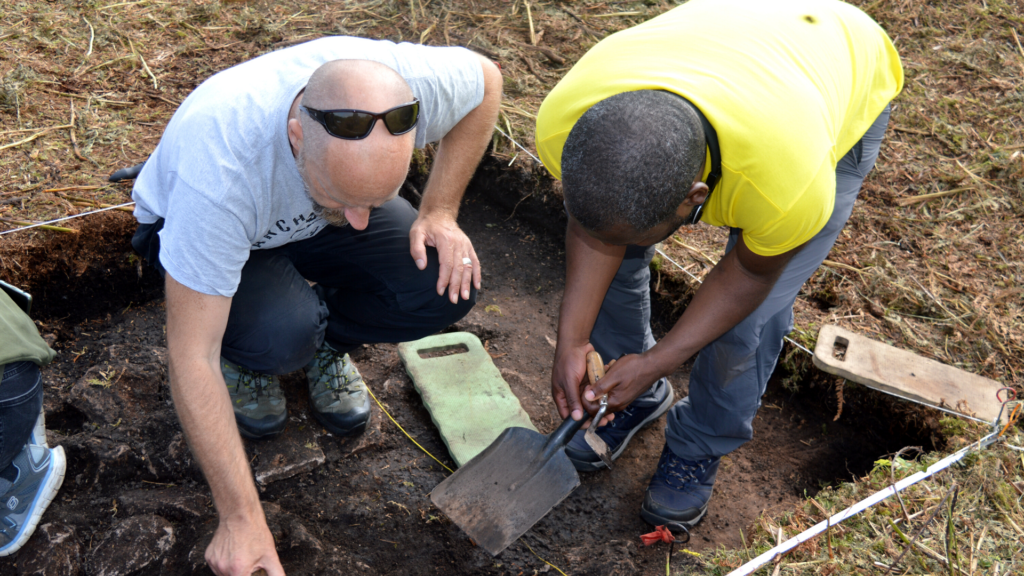
If you’re on a tour, could you politely ask the guide how climate change is impacting the site if they’re open to questions? If you’re volunteering, why not start a conversation with the other participants about how the people who lived there hundreds of years ago may have travelled or what fruits and vegetables they may have eaten?
It may seem like a small step, but using something that people care about (in this case, archaeology) often makes it easier to talk about climate change and can help empower others to do the same.
Another option is to contact your elected representative when you get home to tell them how Scottish archaeology is being affected and demand action against climate change.
Finally, it’s important to remember that it’s okay if you can’t do everything on this list. Sometimes there’s no place to refill water bottles or your only option is to drive. But by thinking through these actions and having these discussions, it could help you and others create a “ripple effect of positive actions”.
Want to keep reading? Dig into Climate Change and Scotland’s Heritage: What You Need to Know.
Tweet
Images: Excavation with Jambo! Radio in 2021 (Credit: Sally Pentecost)
