Scottish Archaeology and the Loch Ness Legend
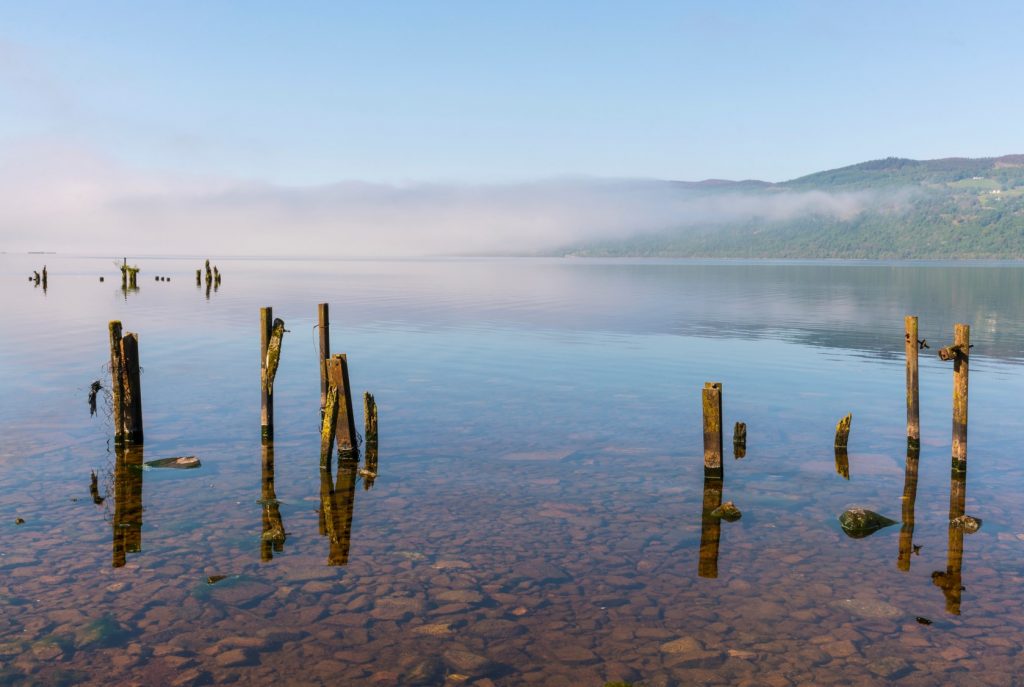
Loch monster legends have existed in Scotland for thousands of years. Originally describing horse-like creatures, or kelpies, it is said that they were intended to keep children away from the water. But how old are these legends? And what clues can Scottish archaeology offer about who originated and believed them?
The earliest record of a beast sighting near Loch Ness is found in Adomnán’s Life of St. Columba written in the sixth century AD, around 100 years after the saint’s death.
The story goes that in 565 Columba stopped the monster, who had already fatally injured a Pictish man, from killing one of his own followers in the River Ness. Making the sign of the cross and ordering it to halt, the creature was forced to a stop and quickly fled. Adomnán’s story may well be independent of the modern Loch Ness Monster legend, but became attached to it by believers seeking to bolster their claims.
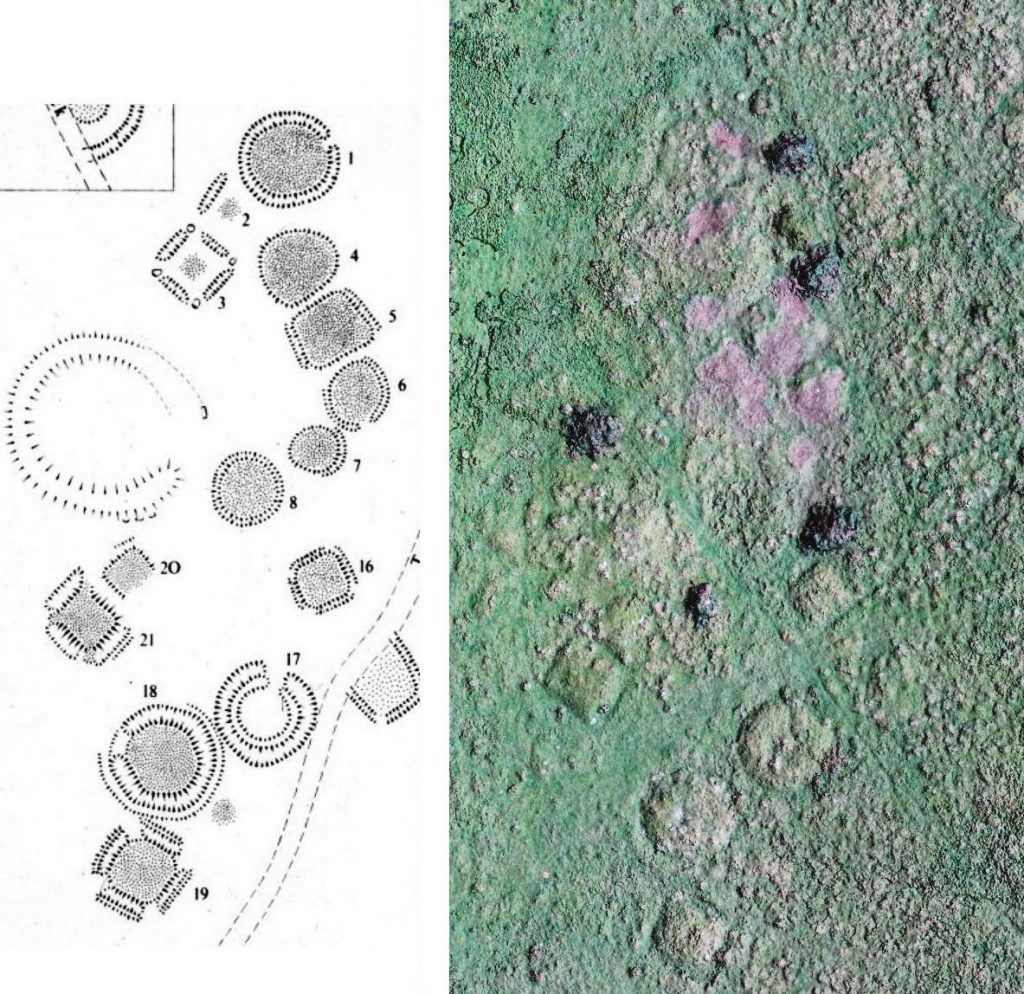
Columba was in the area around Loch Ness as part of his mission to convert the Picts – the Celtic peoples residing in northern and eastern Scotland – to Christianity in the 6th century AD. The remains of their settlements, in particular their cemeteries, are largely found towards the east coast, but there are two Pictish burial sites which feature impressive upstanding remains found on opposite sides of Loch Ness. Round and square type ditched barrows (or grave mounds) appear alongside each other at both Garbeg and Whitebridge – a feature thought to be unique to the Pictish cemetery.
The carved stones left behind by the Picts often depict curious-looking animals, like this beast found on a stone in the walls of a byre in Cotterton, not far from Loch Ness. Some have suggested that there is truth in Adomnán’s tale and that the Northern Picts were aware of the monster lurking in the waters of the Ness, which they recorded on their symbol stones.
This carving (below), found in Glen Urqhart, has been thought to be a depiction of Nessie. However, given how prevalent snake symbols are in Pictish carvings, it is more likely that the symbol depicts your common snake than prehistoric plesiosaur.

However, the Picts weren’t the first people to live around Loch Ness, and if the dinosaur-like creature is as old as has been claimed, earlier inhabitants may have spotted the beast.
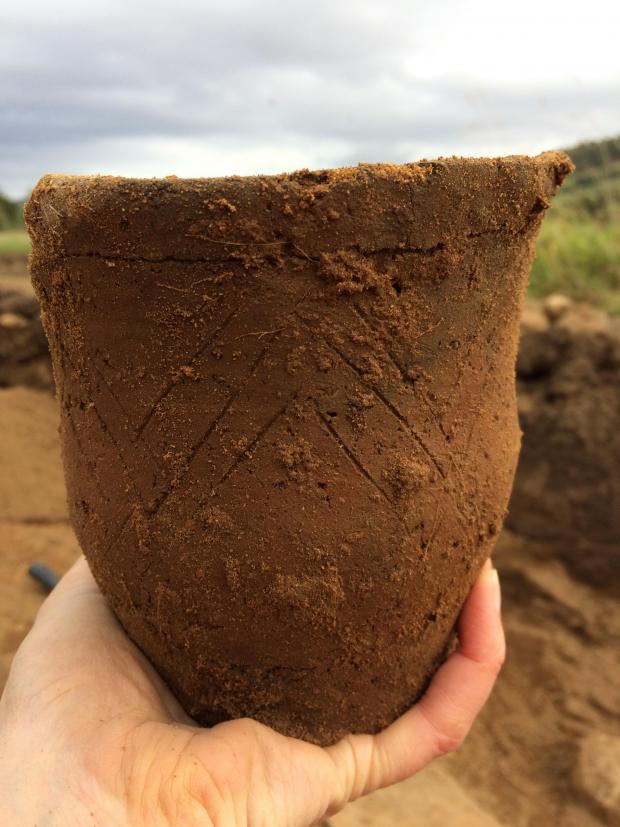
In the last 10 years, another prehistoric cemetery in Drumnadrochit on the northern shore of Loch Ness has been excavated. Several discoveries on the site, including a beaker pot found in a small stone-lined grave (known as a cist) in late 2017, dated the cemetery to the Bronze Age, about 1,000 years before the Picts were around. But the site was also occupied for a brief stint in the Neolithic period around 3,600-3,500 BC.

If the Bronze Age or earlier Neolithic communities around Loch Ness were aware of the water beast legends, or if they created the legends themselves, we have yet to find evidence of this. But the meaning behind the symbols engraved on Pictish stones are still a mystery to archaeologists, and could well point towards the existence of beasts which roamed the land thousands of years ago and are now long gone.
The archaeology being uncovered in this area continues to illuminate our understanding of the lives and practices of the peoples of northern Scotland as far back as 4,000 years ago. For now though, the mystery of Nessie will remain unsolved.
Featured Image: Loch Ness (Image Credit: Kenny Lam / VisitScotland)
