Below the Surface: Five Scottish Canal Discoveries for Archaeology Fans
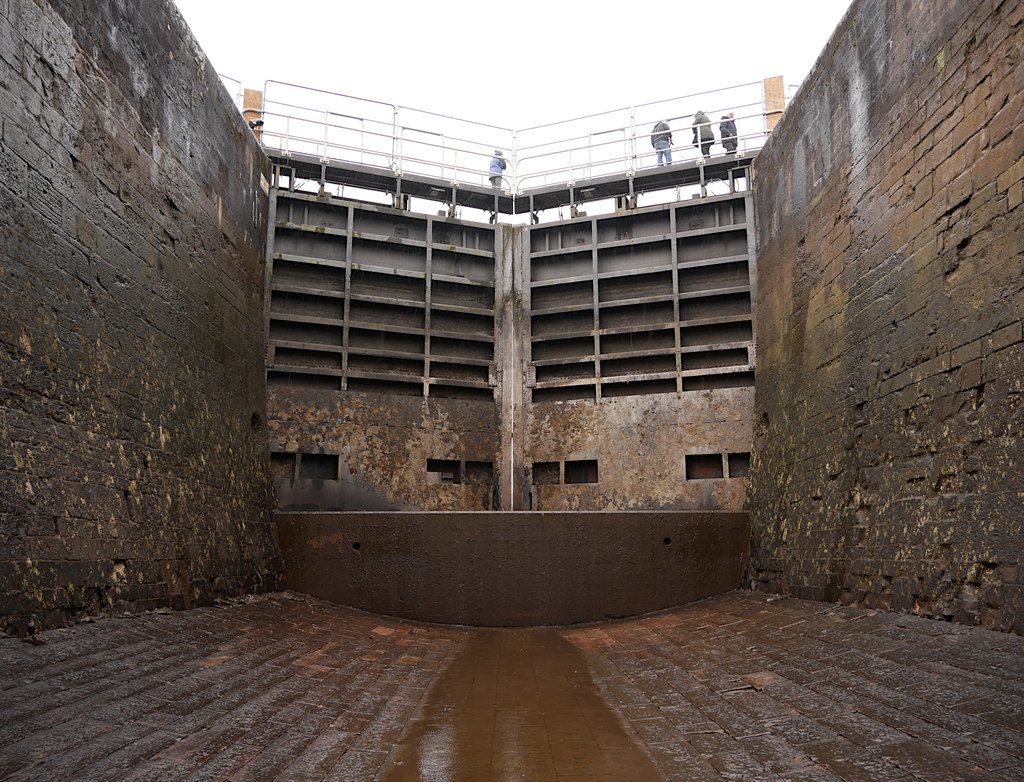
Scotland’s canals are great places for boating, paddling, running, walking, cycling and fishing – and unearthing the past.
Victorian Barge – Union Canal
In 2004, archaeologists from Headland Archaeology discovered the remains of a wooden canal vessel in the Union Canal, which runs from Falkirk to Edinburgh. Once the section of the canal around the boat was pumped out, they were able to get a closer look at this 70ft-long, horse-drawn vessel dating back to 1840.
It may have been used to transport coal and farm produce between the city and the Lothians before trains took over.
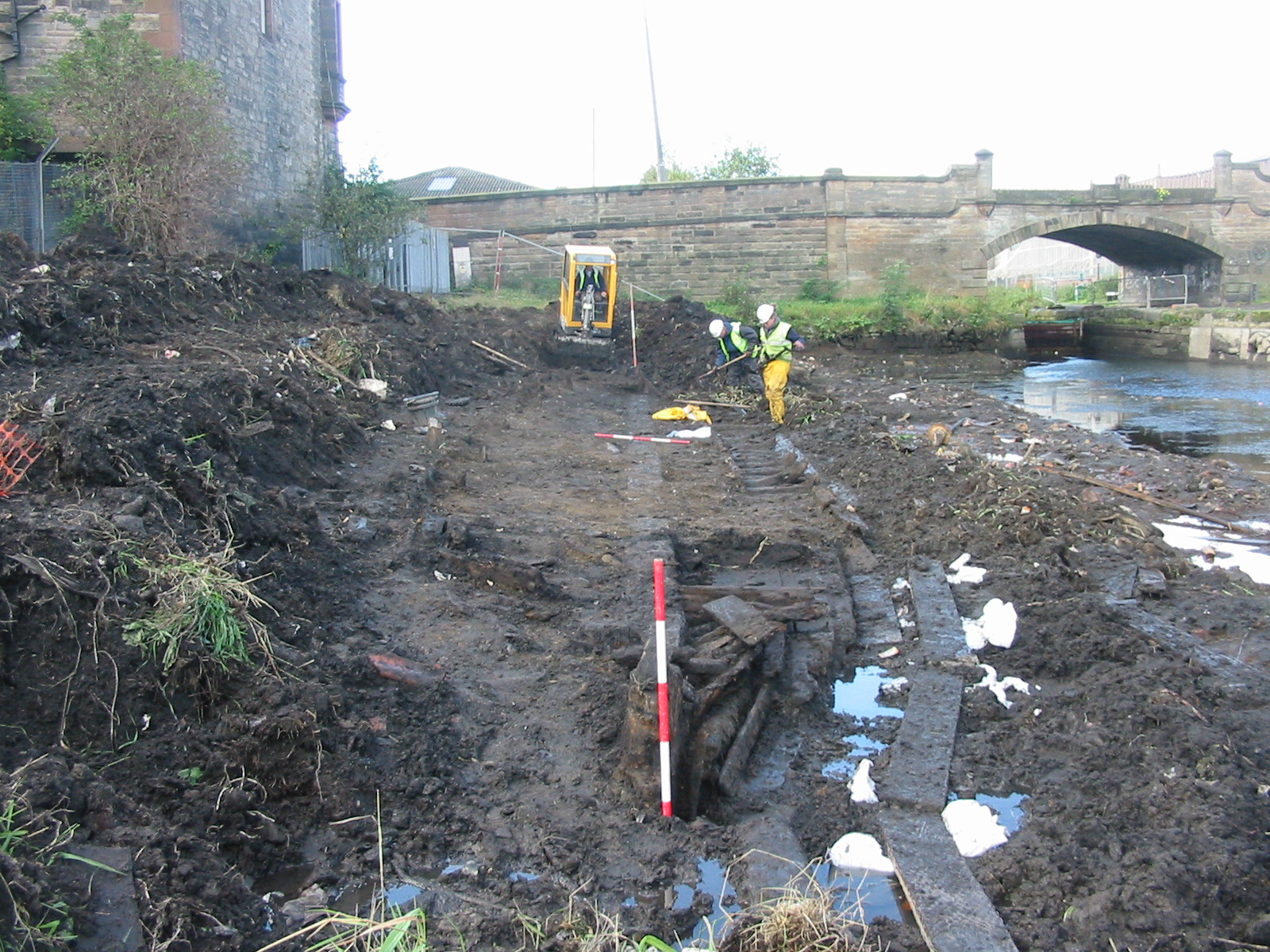
Image copyright: Headland Archaeology
Masons’ Marks – Caledonian Canal
200-year-old symbols were revealed in 2019 when the Caledonian Canal’s Fort Augustus lock flight was drained to replace its gates.
Known as ‘masons’ marks’, they were left by stonemasons who were involved in the building of the walls of the canal, which connects Scotland’s east and west coasts. They would use their own individual ‘marks’ to sign their work, which could then be used to figure out how much work they’d done and how much they should be paid.

Bronze Figure of Minerva – Forth and Clyde Canal
This small figure of a Roman goddess was found in East Dunbartonshire in 1786 while digging the Forth and Clyde Canal which crosses central Scotland. Robert Stuart, a 19th-century antiquarian, noted that it was coated with “the green rust of ages” and described it as “accoutered with the lorica [body armour] and helmet, and in one hand supports a [broken] spear, while the other rests upon a shield which bears the usual effigy of a Gorgon’s head.” According to Stuart, “this diminutive statue forms one of the most interesting relics of the Roman era ever discovered in Scotland.”
A Roman fort was established around 1,900 years ago in the centre of Kirkintilloch, and the Antonine Wall (one of the northernmost frontiers of the Roman Empire) was routed through the town. Did these soldiers leave this object behind like so many others?
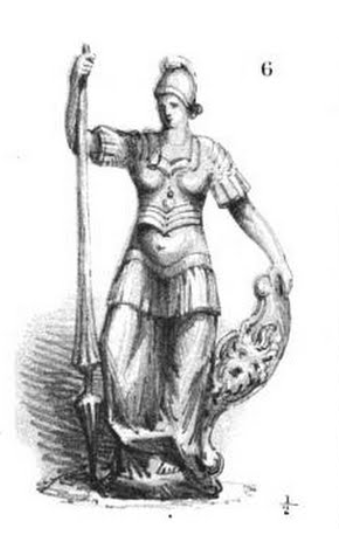
Bronze Figure of Minerva (Image credit: Stuart, R 1845 Caledonia Romana: a descriptive account of the Roman antiquities of Scotland. Edinburgh and London, pg 139)
Axe of Polished Stone – Caledonian Canal
Similar to the bronze figure of Minerva, a Neolithic axe was found during digging rather than draining – although this time it was the Caledonian Canal in Inverness-shire. It was donated to the Society of Antiquaries Museum – now the Society of Antiquaries of Scotland (who coordinate Dig It!) – by Theodore Napier, one of their members (known as Fellows).
According to the Society’s Meeting Minutes from 14 February 1910, it’s made of fine-grained greenstone and could fit in the palm of your hand. It’s possible that it came from Langdale in England (like the one below), as a large number of Neolithic polished stone axes that have been examined in the UK came from this region.
Thousands of years ago, people in Scotland would have used axes to cut down trees and shape wood for tools and other objects. However, many of them (including this one) were unused and highly polished, suggesting that they had a ritual function.
Swords, Pistols and Human Remains? – Forth and Clyde Canal
The largest battle of the Scottish Civil War was fought near Kilsyth in modern day North Lanarkshire in 1645. When it came to an end, men became trapped in Dullatur Bog as they fled from the victorious army.
Over 100 years later, during the construction of the Forth and Clyde Canal, it was reported that “a number of swords, pistols, and other weapons were dug out; also the bodies of men and horses, and what seems somewhat marvellous, a trooper, completely armed, and seated on his horse, in the exact posture in which he had perished”. Unfortunately, the Historic Environment Scotland record mentions that “the discovery of several bodies when the Firth/Clyde canal was dug through Dullatur Bog in c.1770 is vague and gives no real locational information”.
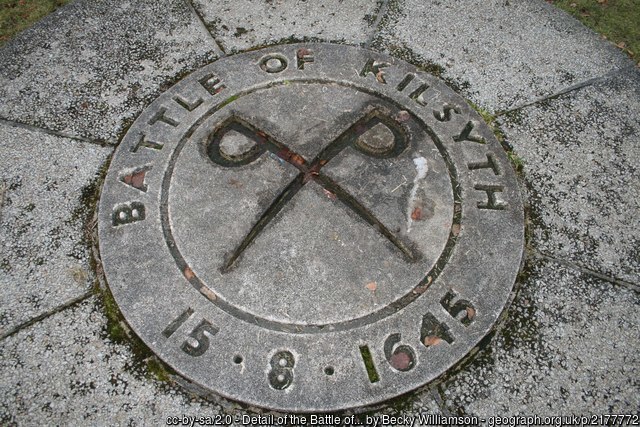
Detail of the Battle of Kilsyth monument at Colzium House Estate
If you’d like to keep reading, dig into Top 10 Artefacts Found in Scottish Waters (in English or Gaelic).
Header Image: At the bottom of the Caledonian Canal © Copyright Craig Wallace and licensed for reuse under CC BY-SA 2.0
