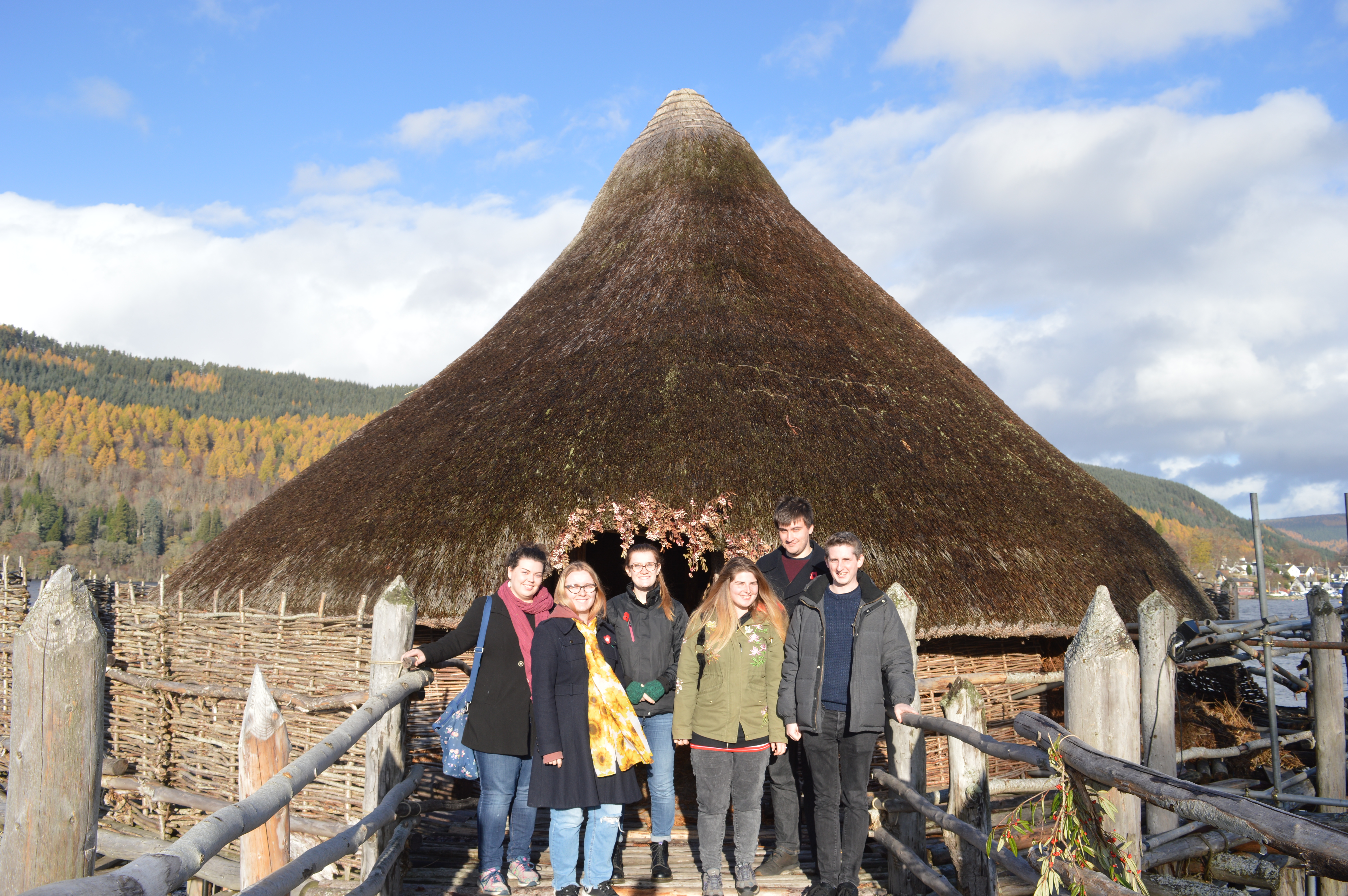
A Weekend of Archaeology in Perthshire

You may not think of archaeology as a particularly glamorous pursuit, and normally you’d be right; mud up to your knees, windswept hair and port-a-loos certainly come to mind when I think about a dig. But experiencing Scotland’s incredible archaeology doesn’t have to involve blisters and thermal underwear.
When Taymouth Marina, luxury self-catered accommodation near Aberfeldy in Perthshire, offered that I stay in one of their apartments and experience all the area had to offer, I jumped at the chance. The Marina were kind enough to offer any one of their homes, so in November 2018, I decided to put them to the test and bring some friends along. My Dungeons & Dragons group adventure around Scotland twice a year, once in summer and once in late autumn, so it was a perfect opportunity for us to explore a little further from the capital than usual. I also wanted to see if I could get my friends interested in archaeology, which Perthshire has in spades (pun very much intended). I figured that if I was ever going to hook them, this was the best place to start.
The drive from Edinburgh to Aberfeldy takes less than two hours; but on a late November evening, in heavy traffic and sheeting rain, we were eager to get inside and warm. In the pitch black the lights of the Marina, which appeared to be floating on the side of Loch Tay, guided us in. We were staying at 6 Lawers view, a spacious 3 bedroom home ideal for families and groups, so if like us, you don’t mind sharing a bed with a pal, then this place is for you. Finding accommodation big enough for our group of seven has been tricky in the past, so we were excited to see what the Marina had to offer. We were not disappointed.
A warm, tiled entrance hall was a convenient space for us to shake off our wet coats and muddy shoes before entering the main living space. Peeling off our sodden socks and hanging them on the radiators to dry, we eagerly checked out the rest of the house. After delegating bedrooms, cooking dinner and playing a few board games, I settled down on the large, comfy sofa bed and slept soundly. In the morning, before anyone else emerged, I opened the blinds to reveal the most stunning scenery. Taymouth Marina’s motto is ‘Come to the View’, and they really aren’t kidding.
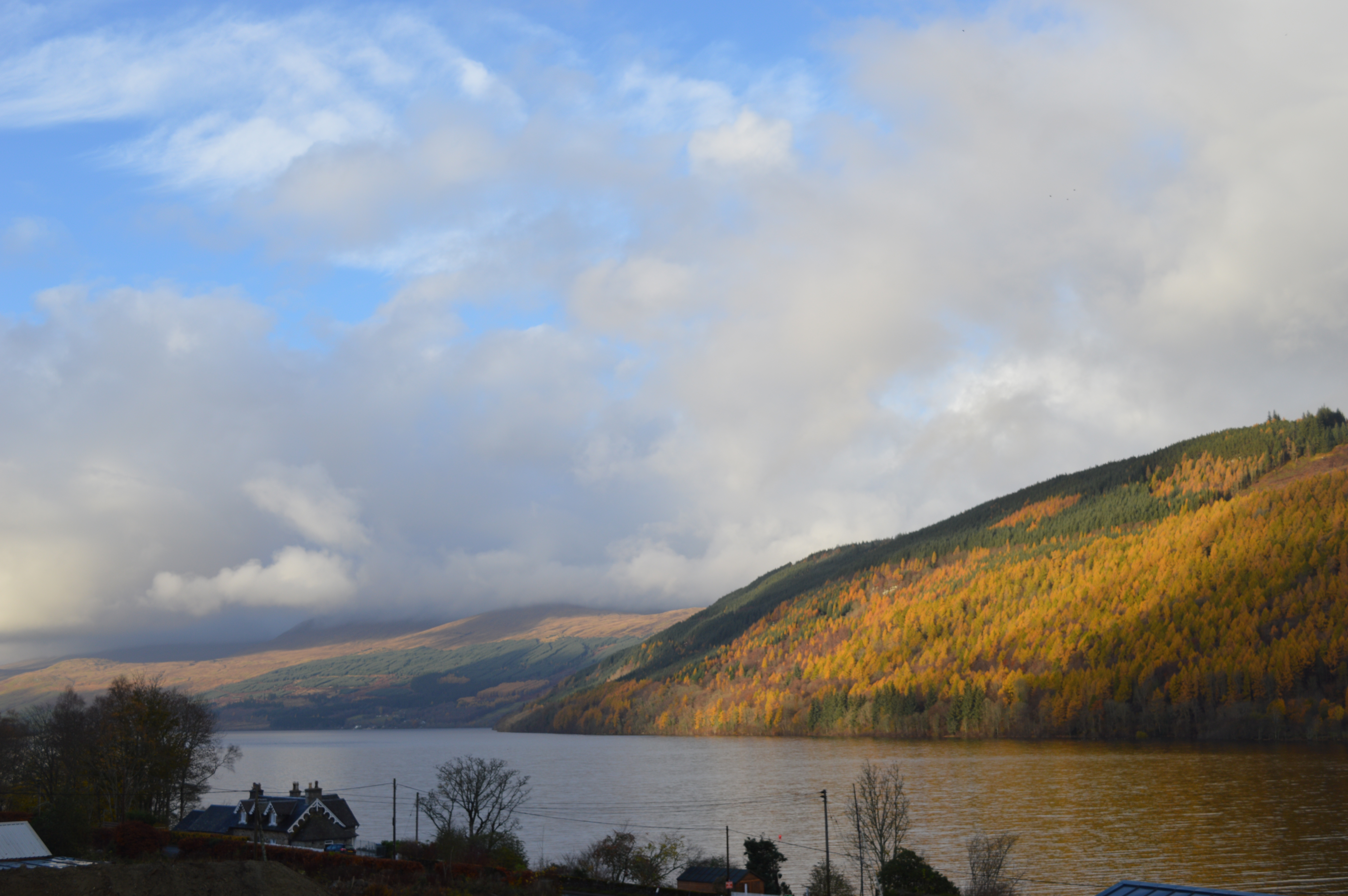
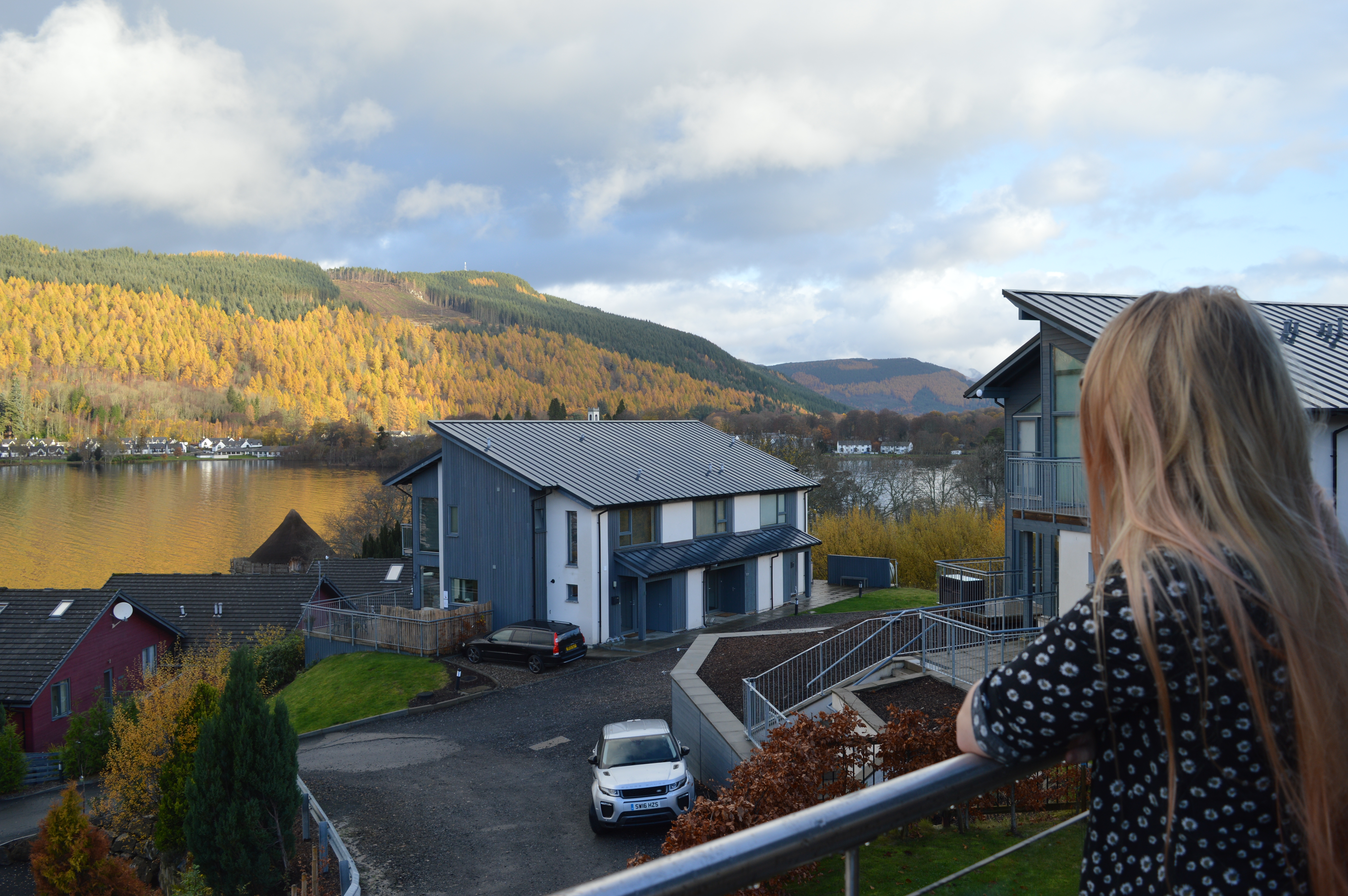
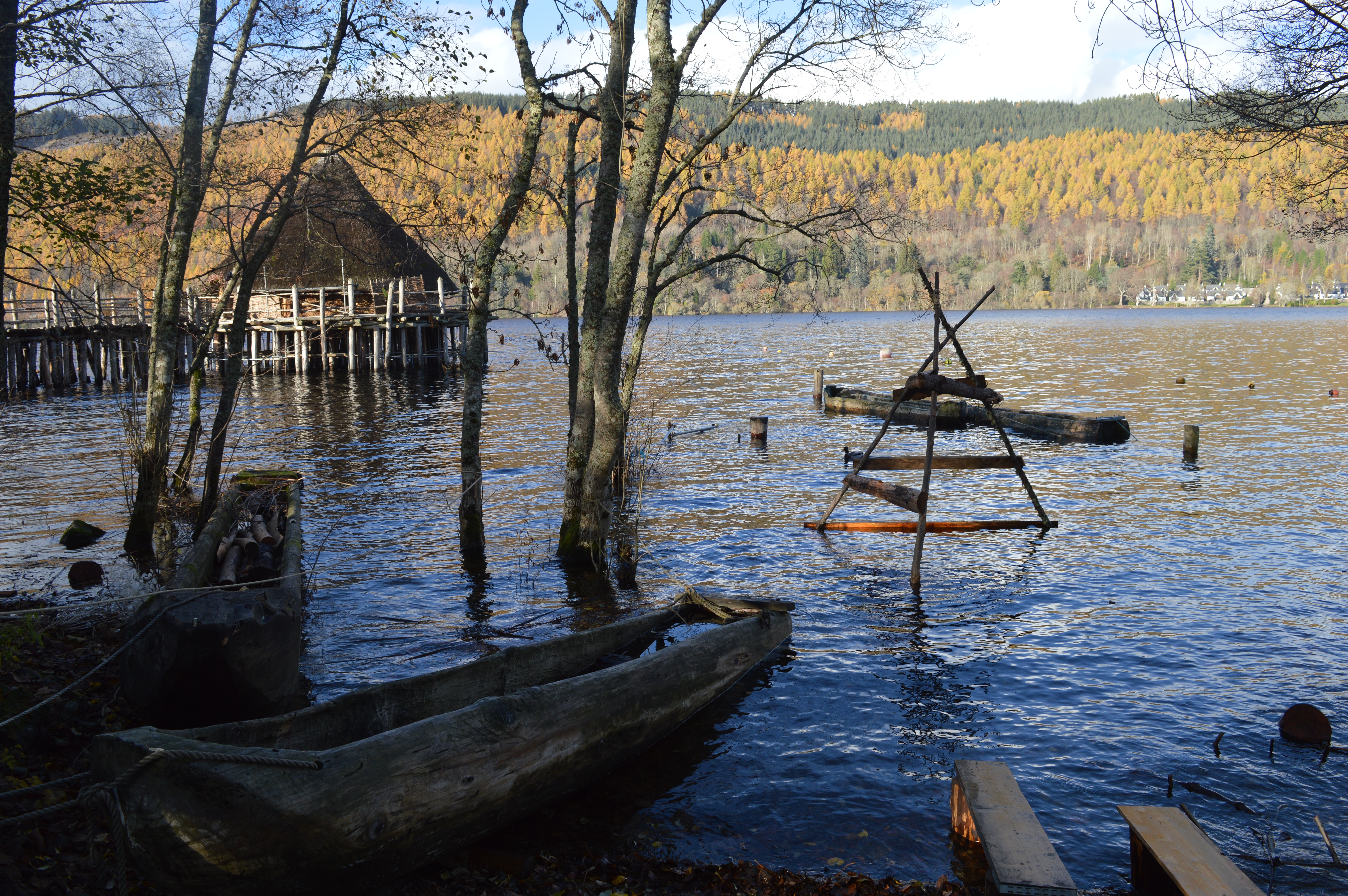
The valley was an explosion of autumn colours; yellow golds and warm ambers mixing with the evergreens in the forest across the loch. I couldn’t resist stepping out of the sliding doors onto the terrace in bare feet and PJs to look down the valley and drink it in. A few kayaks lay tethered to the jetty below us and beside them was the Scottish Crannog Centre, perched on stilts a short distance out from the water’s edge. Rising proudly out of the loch, it made a curious parallel with the modern cul-de-sac of luxury homes in the foreground. I hardly noticed Morven joining me until I heard her gasp at the view.
After breakfast we pulled on our walking boots and headed off to explore for the day. We planned to take a circular route around Loch Tay, hitting up as many archaeological sites as possible; no quick feat given that the Loch is over 14 miles long. We had a packed schedule, and our first stop was The Scottish Crannog Centre.
Even out of season the crannog is a sight to behold. Completed in 1997, this extraordinary timber-built roundhouse supported on stilts is a replica of a Neolithic water dwelling common in prehistoric Scotland, Wales and Ireland. Hundreds of crannogs existed in Scotland from the late Bronze Age to the Early Iron Age, around 3000 years ago. Built on rivers, lakes and lochs around Europe, crannogs were usually made of timber, or stone in more barren areas such as the Western Isles. Today, crannogs exist as tree-covered islands or remain hidden as submerged stony mounds.
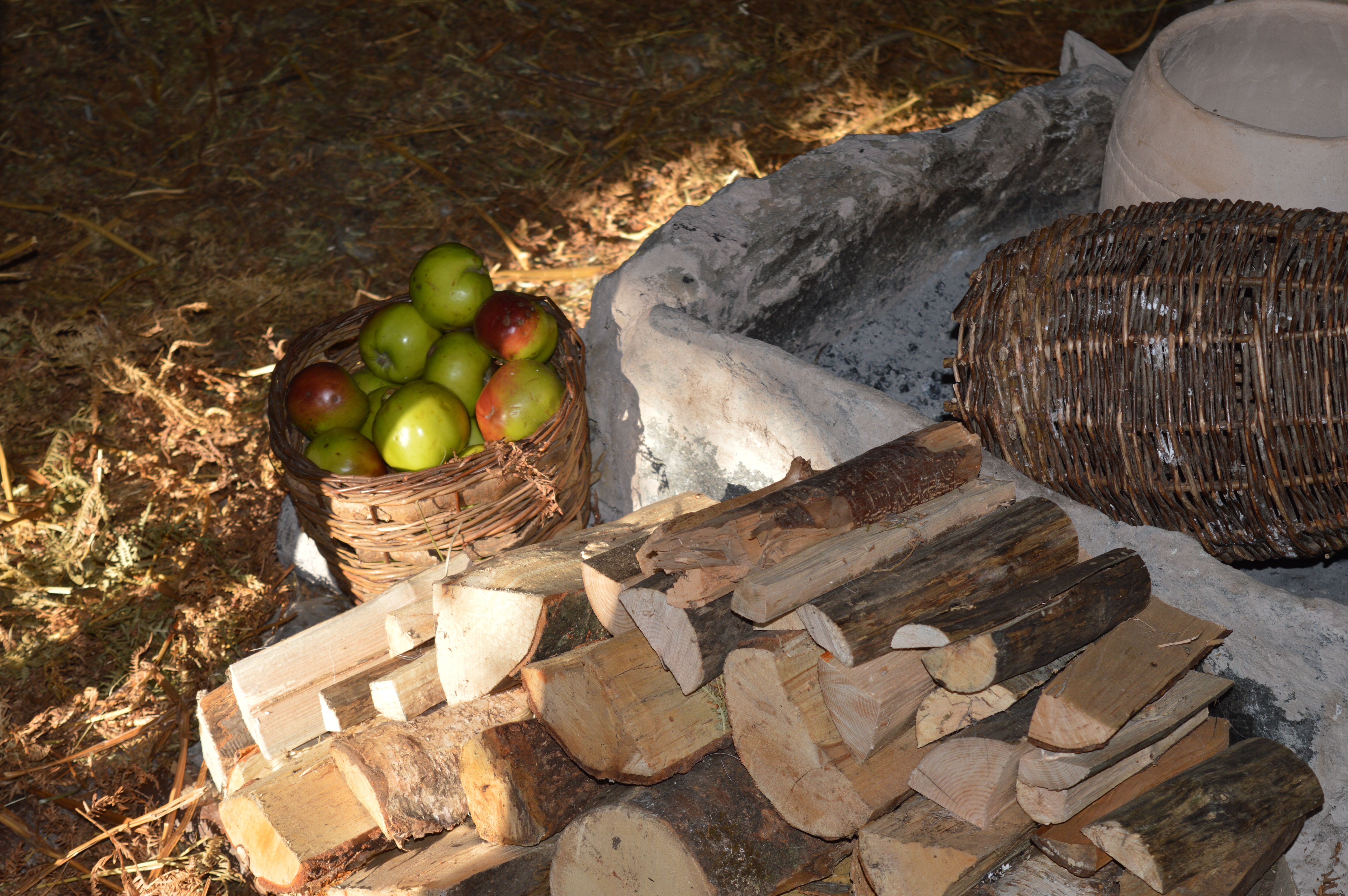
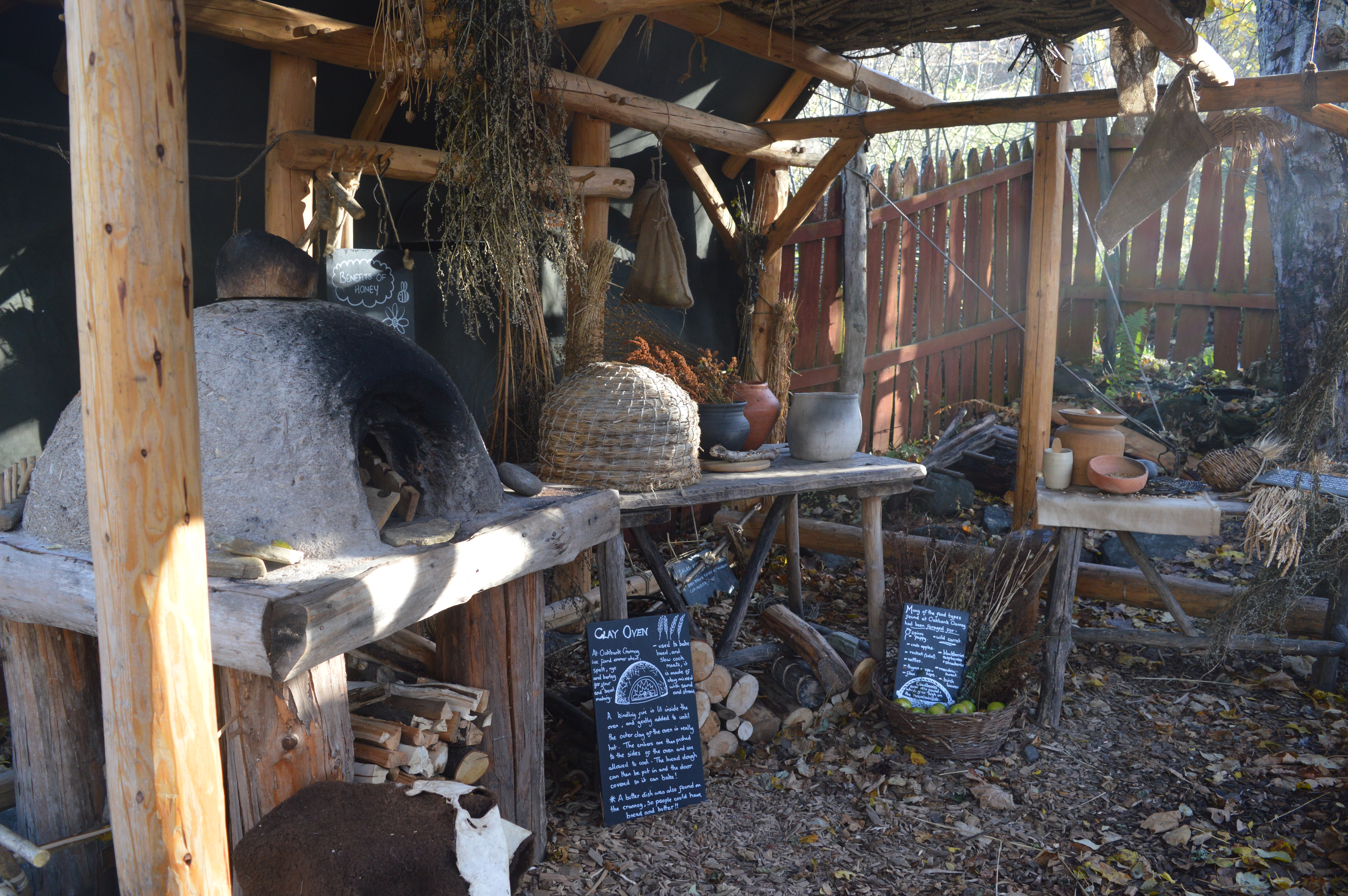
We walked the 100 metres from our house to the Crannog Visitor’s Centre for the 11am tour. After being greeted by curator Frances, we got up close to some of the incredible artefacts in the museum. Antler bone combs, prehistoric textiles and cooking vessels were all unearthed from the loch bed when the crannog was built, or found at nearby crannog sites around Loch Tay.
The Crannog Centre has just been awarded funding by Museums Galleries Scotland to redevelop their galleries; soon items in the museum collection never before seen by the public will go on general display.
At the beginning of our tour we were shown outside to the crannog, looking resplendent in the late autumn sun. Situated mere yards from the marina, it’s strange how the prehistoric crannog does not look out of place sat beside the twenty-first-century jetty.
Inside the structure, with the fire going the single room felt roomy and comfortable. Until that is, we learned that most crannogs were built to accommodate extended families of up to 12 people. We were thankful for our very spacious house at Lawers View.
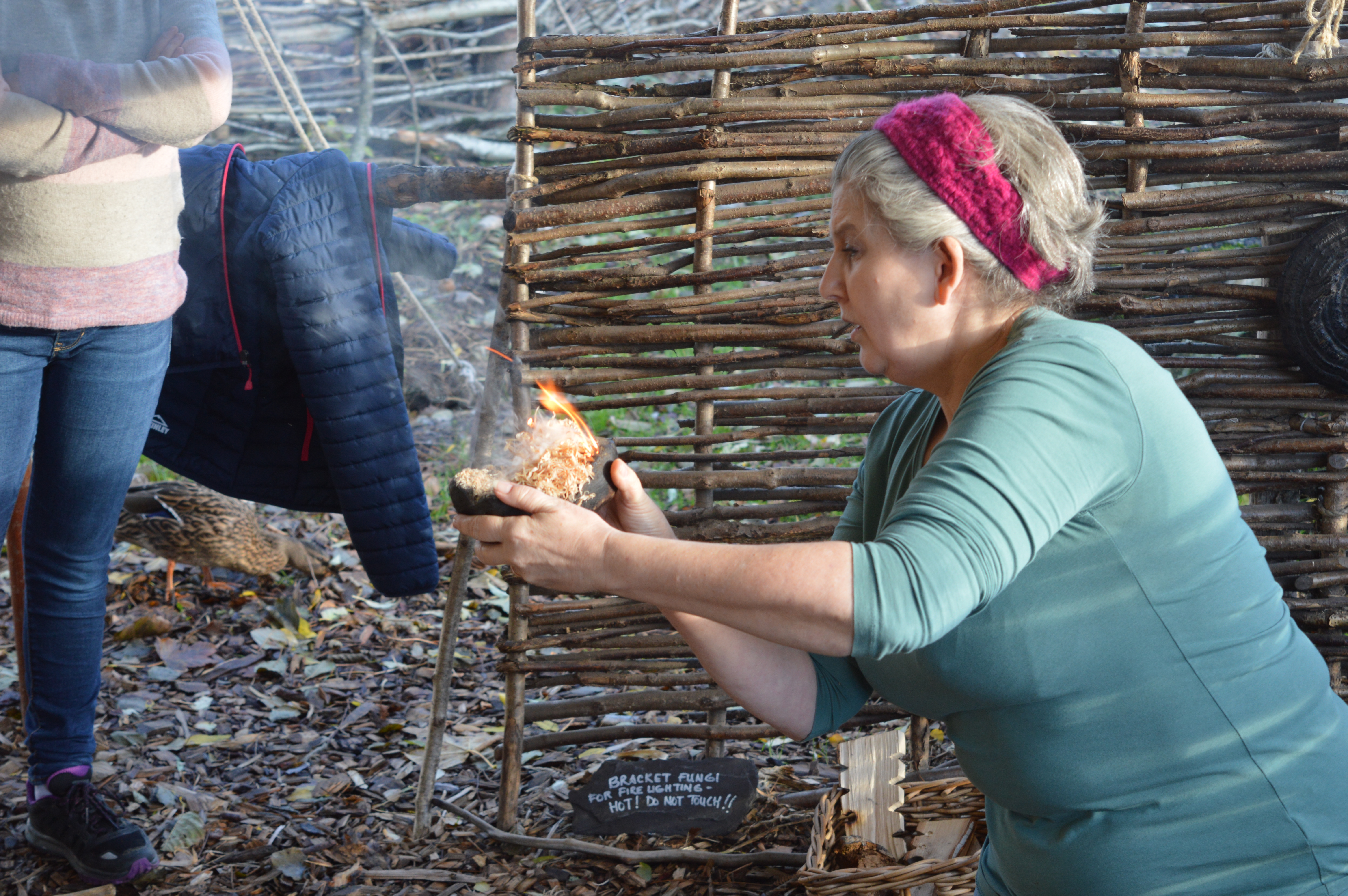
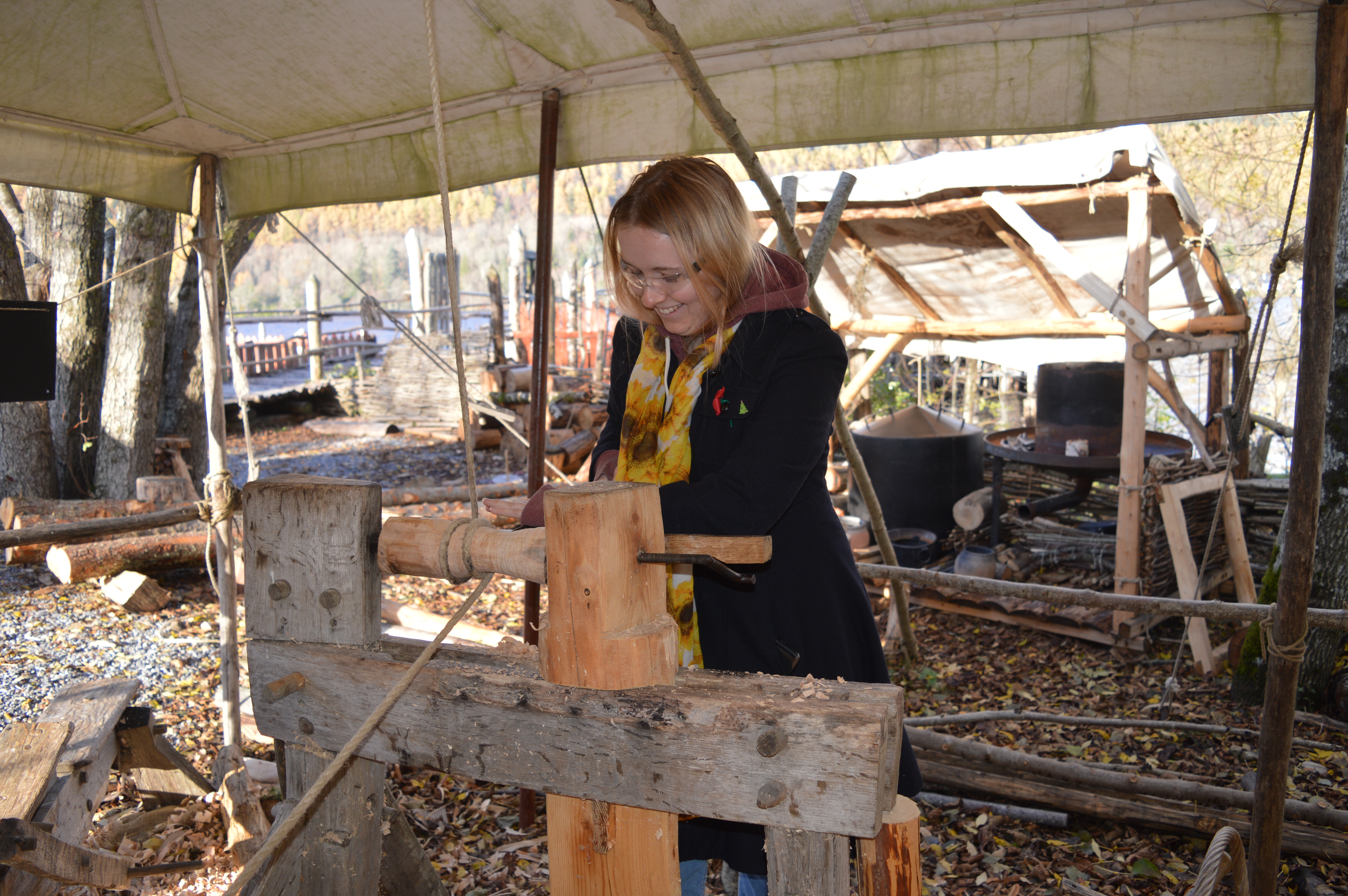
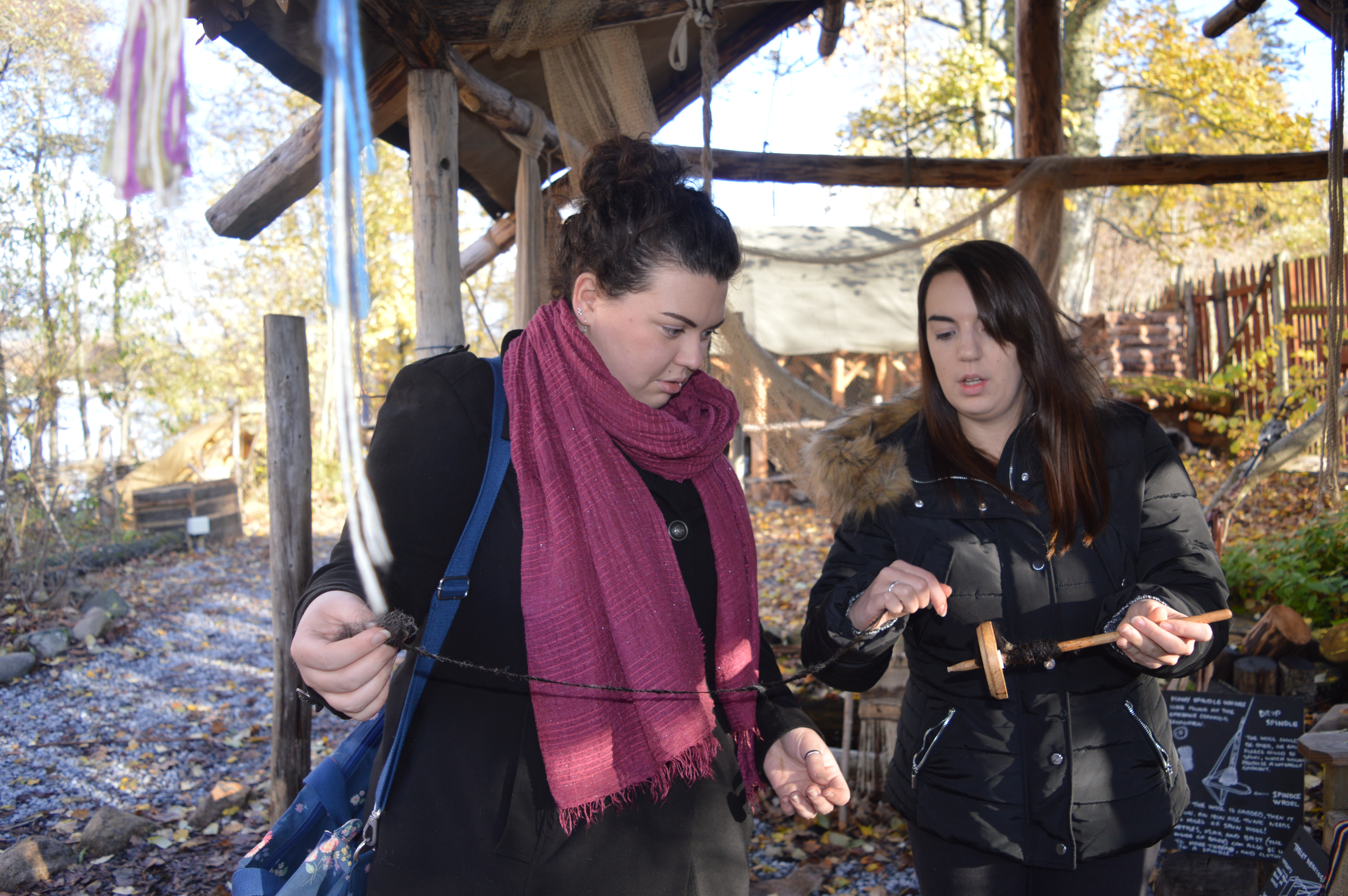
We also tested out making prehistoric tools in the living history dwellings on the bank of Loch Tay. Olivia, a fan of all things textiles, was particularly interested the techniques used in creating fabrics from natural materials, and the crannog’s intern Ellen, showed her how. We failed miserably at making fire, but fortunately Frances was able to demonstrate how it was done.
In the off-peak season, in the absence of traditional food for visitors to taste and re-enactors giving demonstrations, we were offered a complimentary hot drink. Just before leaving, Frances told us about lots of other hidden archaeological gems to seek out along our route, and we set off fired up to see more.
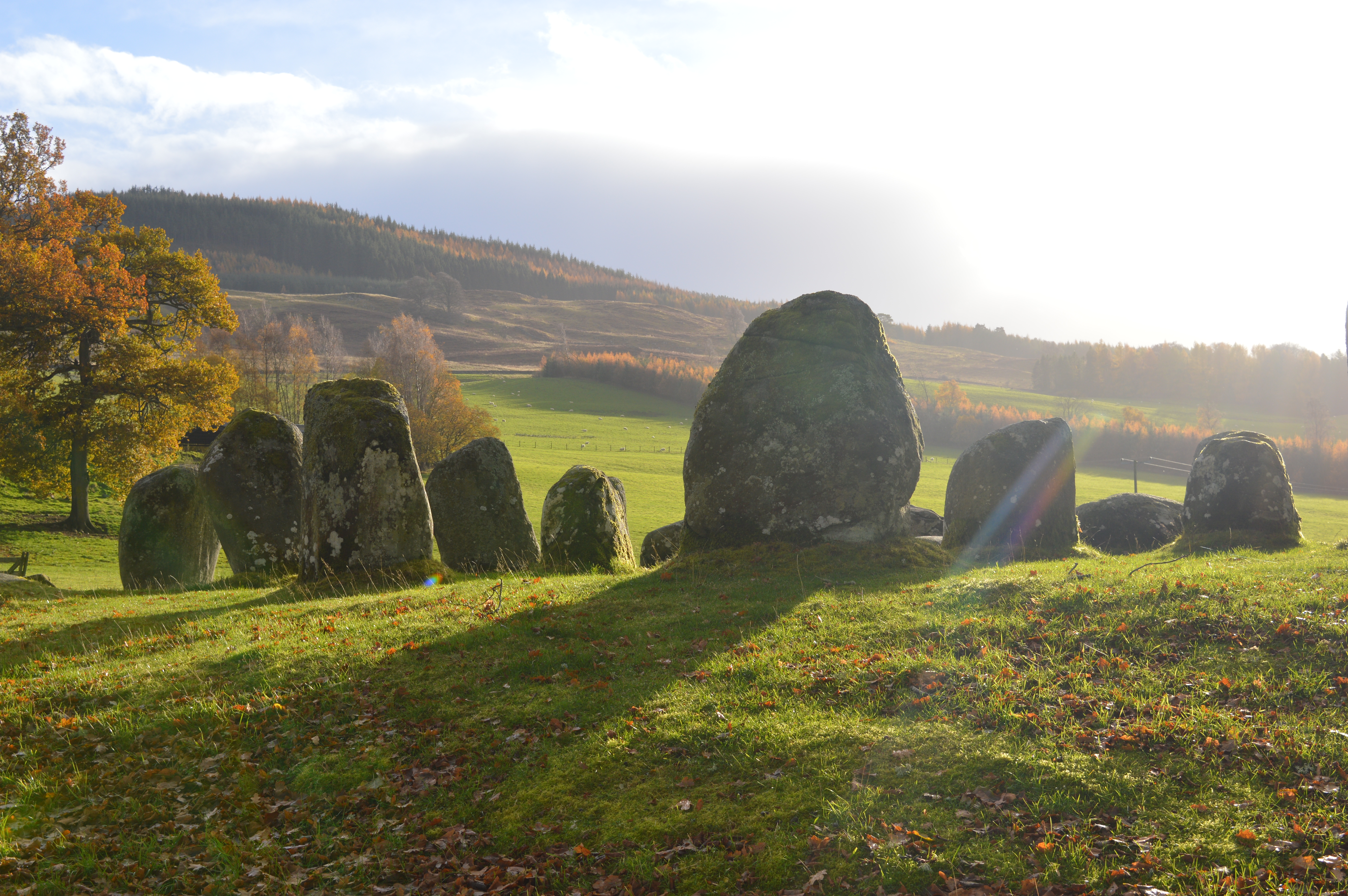
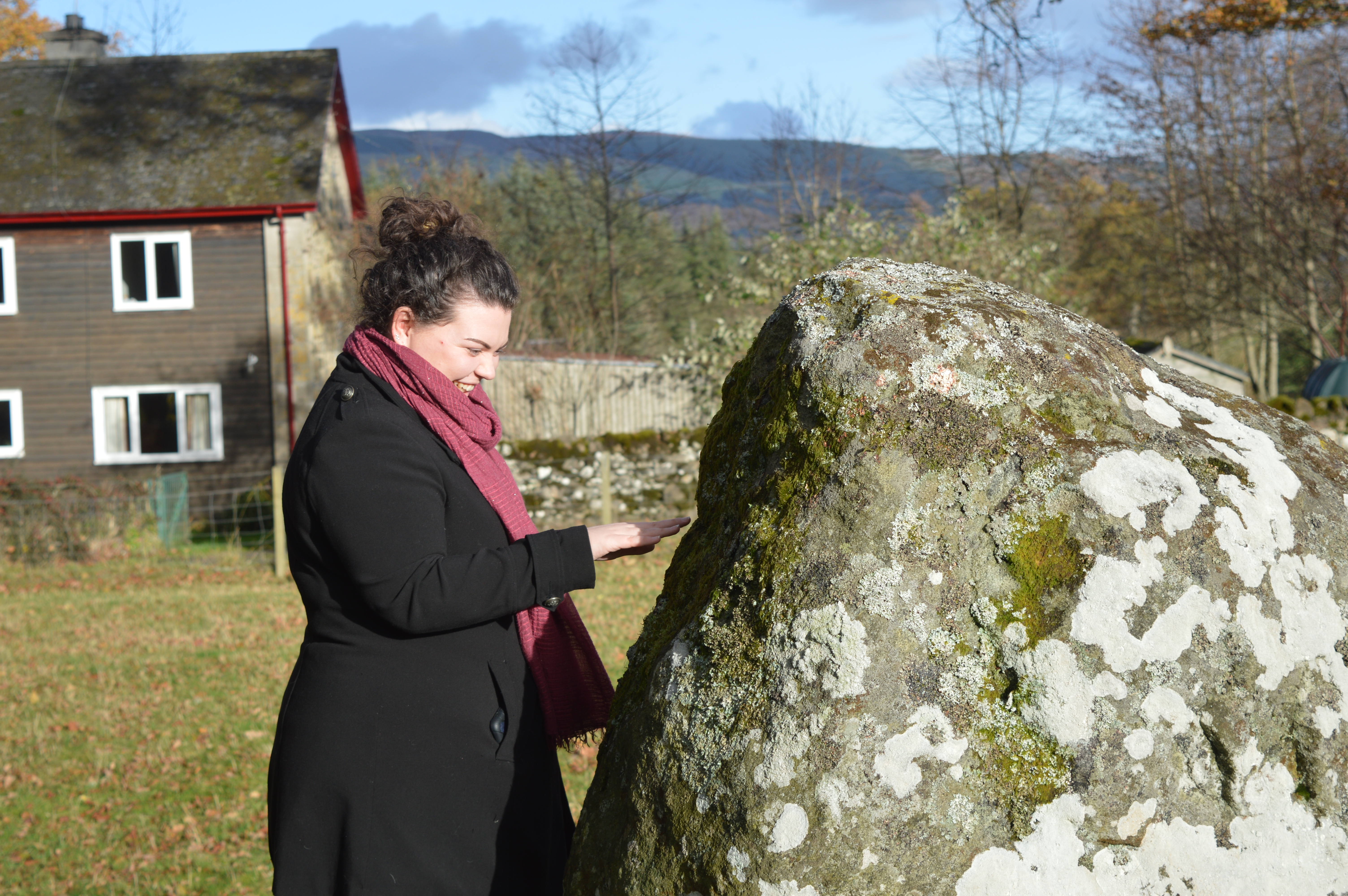
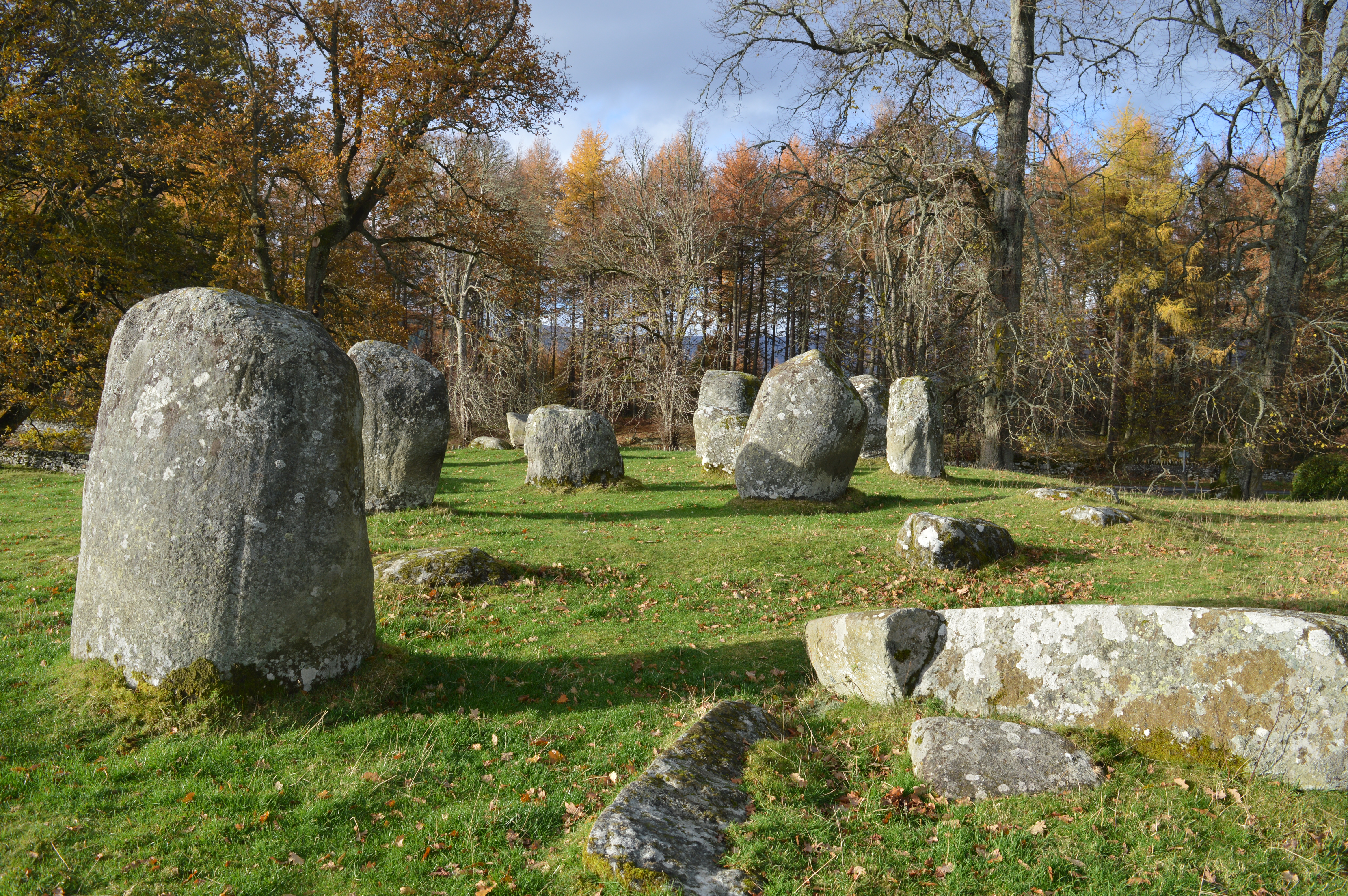
A short distance south-west of the Crannog Centre is Croft Moraig. A Bronze Age stone circle in a field right next to the main road. We got up close to check out the cup and ring marked stones (an example of Pictish art over 1,500 years old) and the standing stones forming a distinct circle in the field. Not as colossal and statuesque as the stones at the fictional Craigh na Dun of Outlander fame, but that didn’t stop Olivia from doing her best Claire impression. (Kinloch Rannoch, about 12 miles north-west of Croft Moraig, was used for the Outlander filming, but the stones there are a product of the show’s outstanding set designers).
The next stop on our tour was the village of Killin at the western head of Loch Tay. The west end of the village is magnificently sited around the scenic Falls of Dochart which, due to the heavy rain the night before, were roaring loudly. Though Killin is a small village, it is steeped in history; the MacNab Clan were once dominant here, and their ancient burial ground is nearby. According to legend, the progenitor of the clan was the Abbot of Glen Dochart and Strathearn, Abraruadh. Abraruadh was allegedly a younger son of Coinneach mac Ailpein (Kenneth MacAlpin), known as the first king of Scots.
After a brief lunch stop in a nearby pub (which was also showing live rugby, much to Olivia’s delight), we headed off to track down Finlarig Castle just half a mile north of Killin. The weather had turned very dark and brooding, and made the castle all the more atmospheric for our visit. The site is privately owned and not maintained, so visitors proceed at their own risk. Finlarig is the remains of a four storey, L-plan castle built in the 1620s by Sir Duncan “Black Duncan” Campbell, seventh Laird of Glenorchy. It is also said that Rob Roy MacGregor visited the castle in 1713.
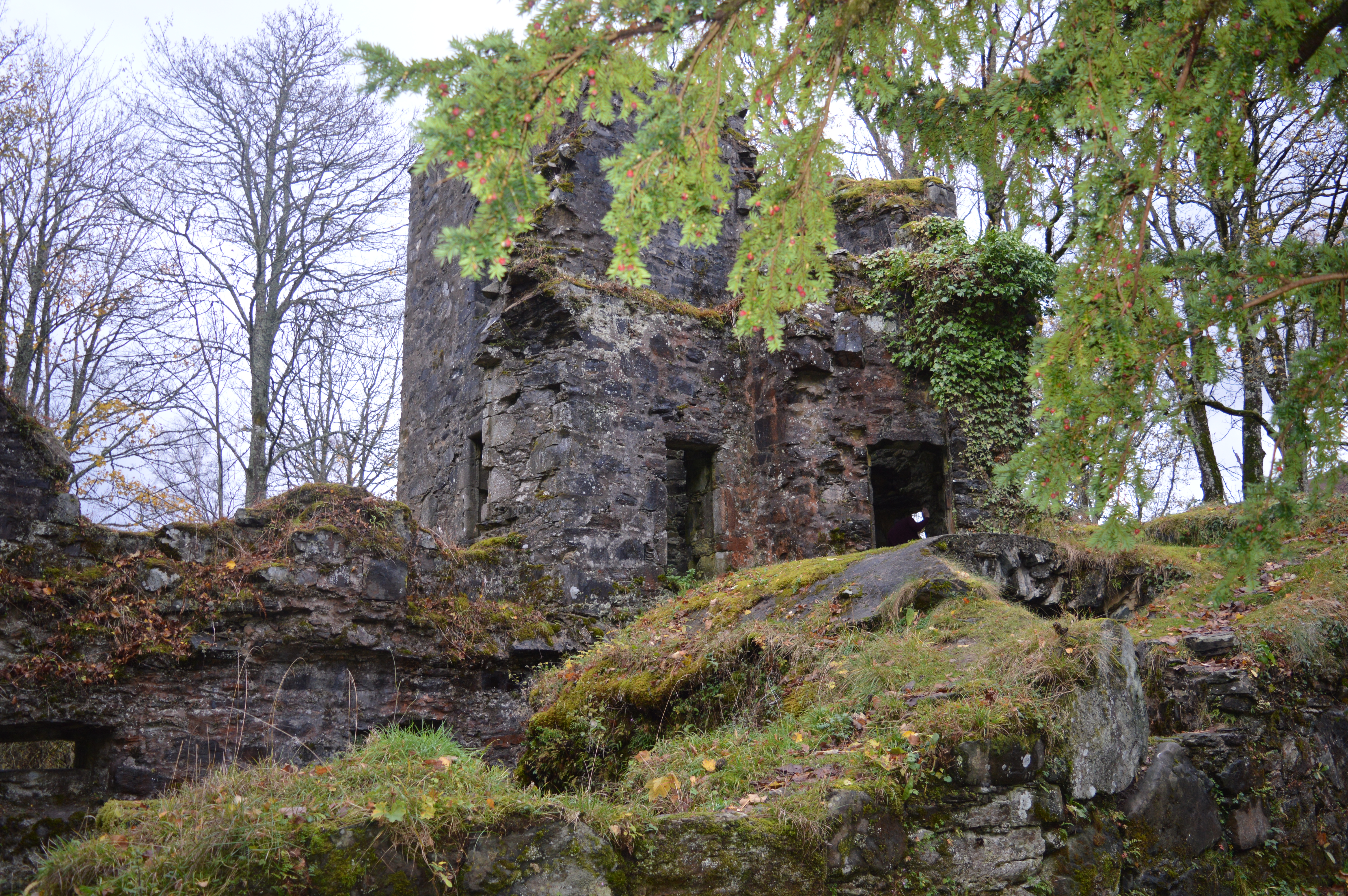
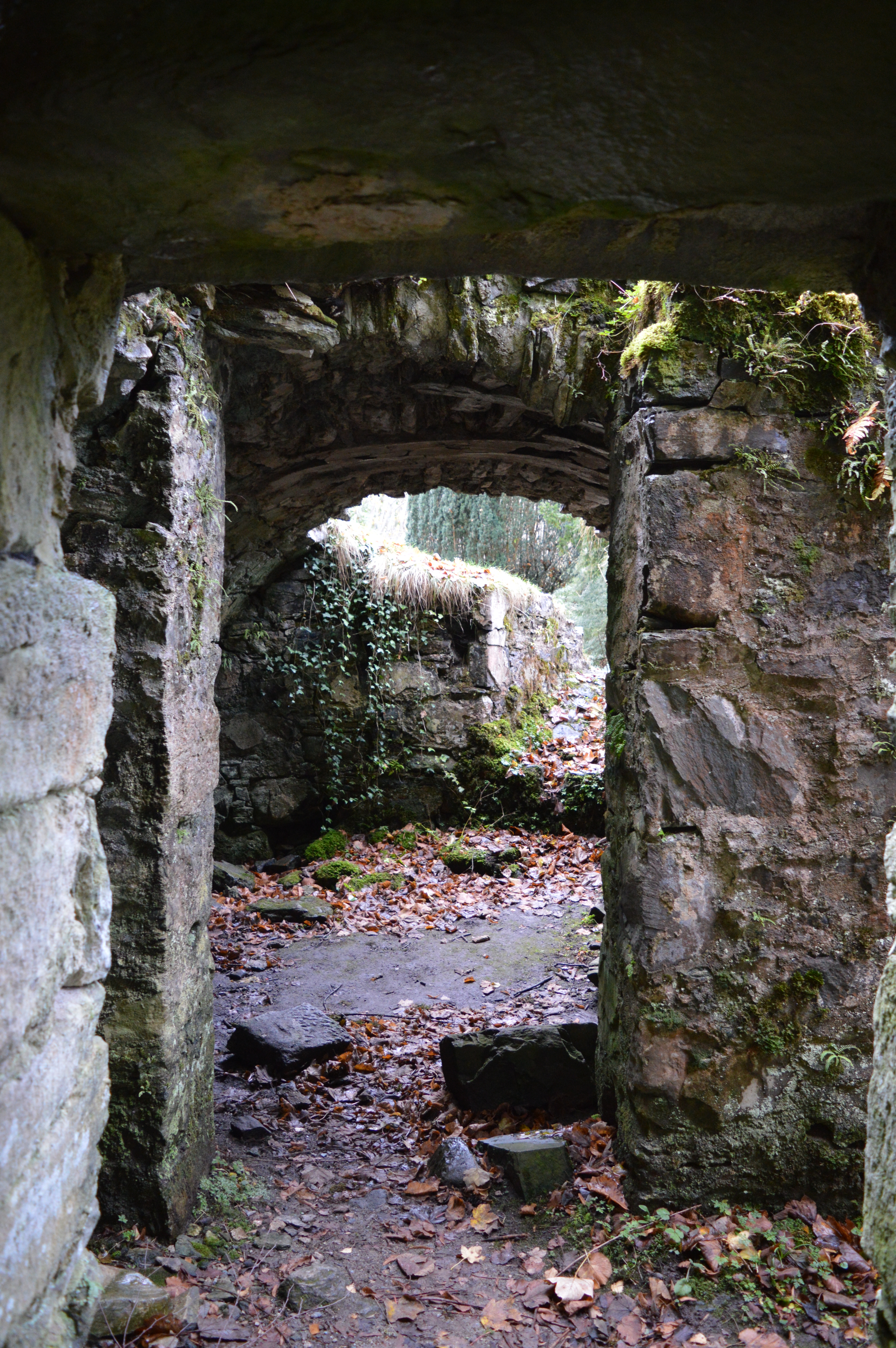
Wandering around the ruins we came across a large and mysterious rectangular pit, just outside its north wall. After a few best guesses as to its original function (housing for rabbits, medieval swimming pool, etc.) a quick Google search told us that it was almost certainly a water storage tank in the absence of a well on the site. However, reading on we learnt that legend records it as a beheading pit, which once held the heads of convicted criminals. With darkness rolling in, and feeling sufficiently spooked, we figured it best to drive back to the safety of the Marina.
Back inside the Marina, fed, warm and dry, we spent our last evening chatting about what we’d seen that day. I may not have got my friends to agree on what was the best archaeology we’d seen, but we agreed that it was well worth the visit. Perthshire, and especially the area around Loch Tay, has so much incredible Scottish history and archaeology to offer. If you have time, definitely stop by Fortingall; an amazing and bizarre place home to a Roman fort, an ancient yew tree (which at over 3000 years old might literally be the oldest living thing in Europe), connections to Pontius Pilate, more prehistoric stone circles, the list goes on – it should have its own TV series. And on Drummond Hill you can find the remains of the prehistoric fort known as Caisteal Mac Tuathal. The name is alleged to have a connection with Tuathal, son of Argusto, Abbot of Dunkeld in the ninth century and is one of the best-preserved forts of its kind. We found the staff at Taymouth Marina to be super passionate and knowledgeable about the area, so do pop in and ask for their recommendations, too. So, what are you waiting for? Dig in!