Can I Get Involved in Scottish Archaeology If I Have a Disability?
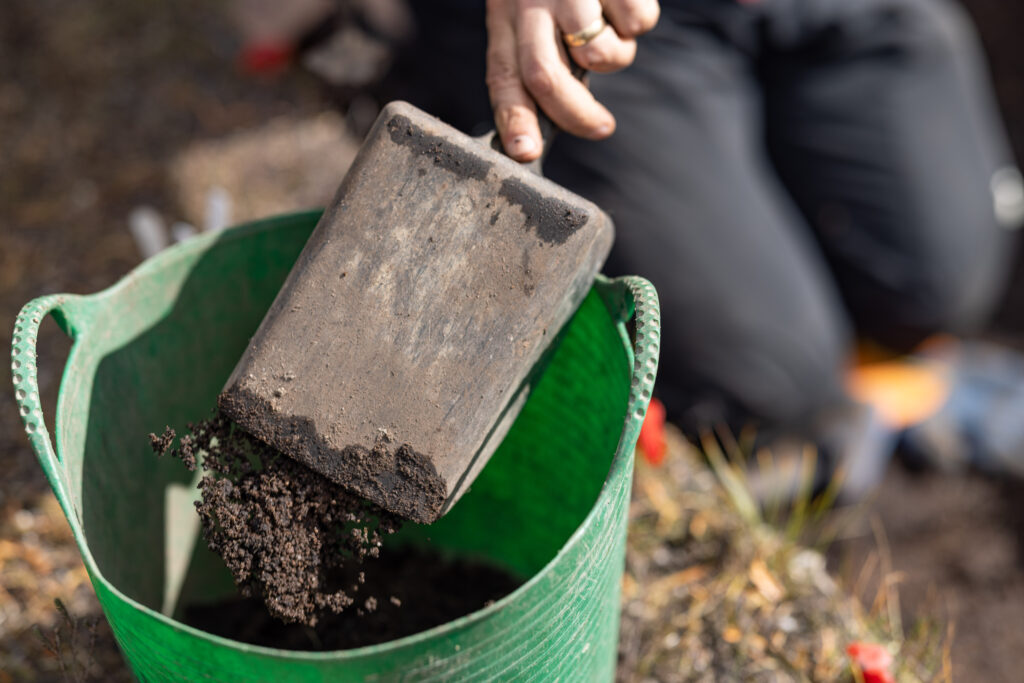
If you’ve entered this query into a search engine in the past, you may well have felt that they’ve shortchanged you with their practical results, as well as information on how a person with a disability can functionally get involved in archaeology in Scotland.
If that’s been your experience as a disabled person, this article is for you. If you know somebody with a disability who wants to get out and do some archaeology, this article is also for you. If you don’t know anybody with a disability who wants to engage with archaeology, save this article and go make more friends! Everybody should want to do some fun archaeology.
Can Archaeological Digs be Disability-Inclusive?
Here at the Enabled Archaeology Foundation (EAF), our sole remit is to promote opportunities and empowerment for people with disabilities and to offer the means with which almost any excavation or archaeological project can be made inclusive and accessible.
And we’re here to tell you that most digs – even if they don’t advertise it – don’t necessarily require a large input of physical fitness, labour or strength.
Across trial projects, EAF participants found that regardless of their disability, site accommodation could be made to offer them the archaeology experience that they were after.
Access to sites can be graded out or matted so that wheeled access is possible. Trenches and test pits can be stepped and graded to provide easier mobility-support and wheeled access. Ground mats can provide padding to participants who need extra support on the ground. All varieties of trowels, spades and other tools can be custom fitted and altered to provide a safe and painless experience for the user.
As always, we recommend reaching out to the dig organiser in advance to talk through the types of support you need so they can best enable you on the day. If they need a little help getting their site disability-inclusive, please do encourage them to reach out to us at the EAF for support and advice through the website or email.
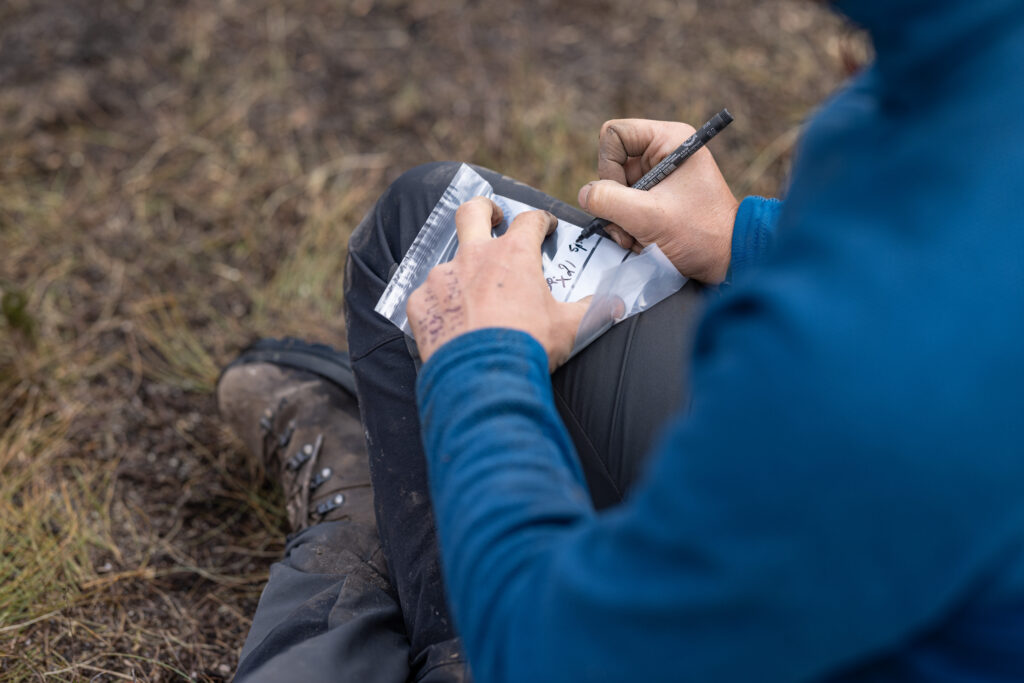
Labelling finds (Image Copyright: Shahbaz Majeed 2023)
What Disability-Inclusive Archaeology Activities Are Available Aside from Digging?
If digging isn’t your interest, but you’d still like to get involved in a community archaeology project, there are plenty of other activities available to you; after all, digging is just one small part of a broader project. Here are some other options:
Sorting: All finds that come out of the dig need to be washed, categorised and labelled
Sieving: Soil that comes from pits and trenches needs to be sieved to save smaller finds, something that can be accomplished sitting or standing, based on the comfort of the participant
Photographs and drawings: these are likely needed for each context (the place where an artifact is found) or feature (such as a fireplace or wall)
Research: this needs to take place before and after archaeological activities and can be desk-based
Online and tech work: If you’re especially tech savvy, you could help with online mapping and analysis, as well as GPS or site surveys with a surveying instrument known as a “dumpy level”, which is used to measure levels or elevations at different points along a horizontal line
Mentoring: Helping a younger person on site (if you have some archaeological experience)
Organisation and prep: Helping to organise equipment each day, as well as assisting with the ever-appreciated teas, coffees and snacks
Public engagement: Giving talks or tours for other interested members of the public and hosting activities for adults and children
As you can tell, there are a wide variety of inclusive activities on each site. Do reach out to your local project to find out how you can get involved. By working together, we can create the accessible society that we all deserve, so please remember that your participation, voice and feedback are valued.
Dig It! is a great repository of free or low-cost public archaeology events in Scotland (with no experience required), so check out the events page. If you still can’t find the right thing, please get in touch or contact the EAF, as we may know of more opportunities for you. Feel assured that whether you’re looking to get out for an afternoon, weekend or entire project, the right opportunities do exist.
From all of us at the EAF to you, we hope you feel encouraged and empowered by this article, and we’re looking forward to seeing you out on a fieldwork event soon!
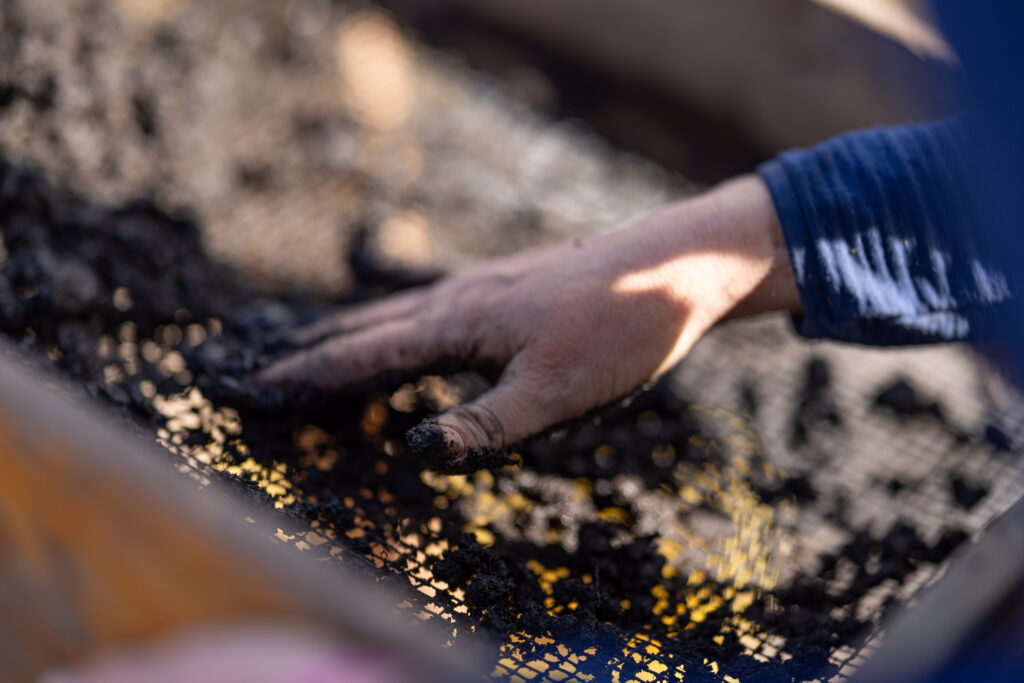
Sieving (Image Copyright: Shahbaz Majeed 2023)
By Dr Emily Stammitti, EAF Education and Outreach Officer and the Director of the Master of Arts in Innovative Leadership in Heritage Management at Harlaxton College (UK), the study-abroad campus of the University of Evansville, USA. The EAF are here to support the range of community digs, commercial operations and local societies who hope to make their dig a better place for people with disabilities.
Tweet
Header Image Copyright: Shahbaz Majeed 2023
