Whisky Galore! The Archaeology of Scotland’s ‘Water of Life’ (English)

The story of whisky distilling in Scotland stretches back to the medieval period and is steeped in history and politics.
Today, archaeologists are discovering more about our longstanding relationship with Scotland’s ‘water of life’, the evidence of which is to be found underground.
Gie It Laldie Fur Whisky! The Archaeology O Scotland’s ‘Watter O Life’ (Scots)
Uisge-Beatha Gu Leòr! Arc-Eòlas Uisge-Beatha Na H-Alba (Ghàidhlig)
The First Stills
The first record of whisky distilling in Scotland is a royal record of 1494, for eight bolls of malt given to Friar John Cor which would have made 1,500 bottles. Distilling soon grew to be popular outside of the royal court, but when whisky began to be taxed in 1644, illicit stills like the one pictured below sprang up across the country.
Between the 1760s and the 1830s, the Highlands was the largest player in the illegal Scottish whisky trade. In 1782, more than 1,000 illegal stills were seized from the area.

The Jacobite Cause
Whisky gangs were tight-knit groups founded within communities or from old-established criminal networks. In the late-17th and 18th centuries, the illegal whisky trade funded the Jacobite cause and pro-French political activity. Clan Gordon and Clan Duncan, both active in Aberdeenshire, were prolific smuggling families who transported goods from inland Scotland to the coast often in broad daylight and in plain sight of the authorities.
Tricks and illusions performed by an entire community hoodwinked the severely outnumbered and outwitted authorities. Some stories say that women wore two-gallon ‘belly canteens’ made of sheet iron to look like pregnancy bumps, phony funeral processions transported whisky in coffins or hearses, and bottles were concealed in dead geese.
“Smuggling’s Heartland”
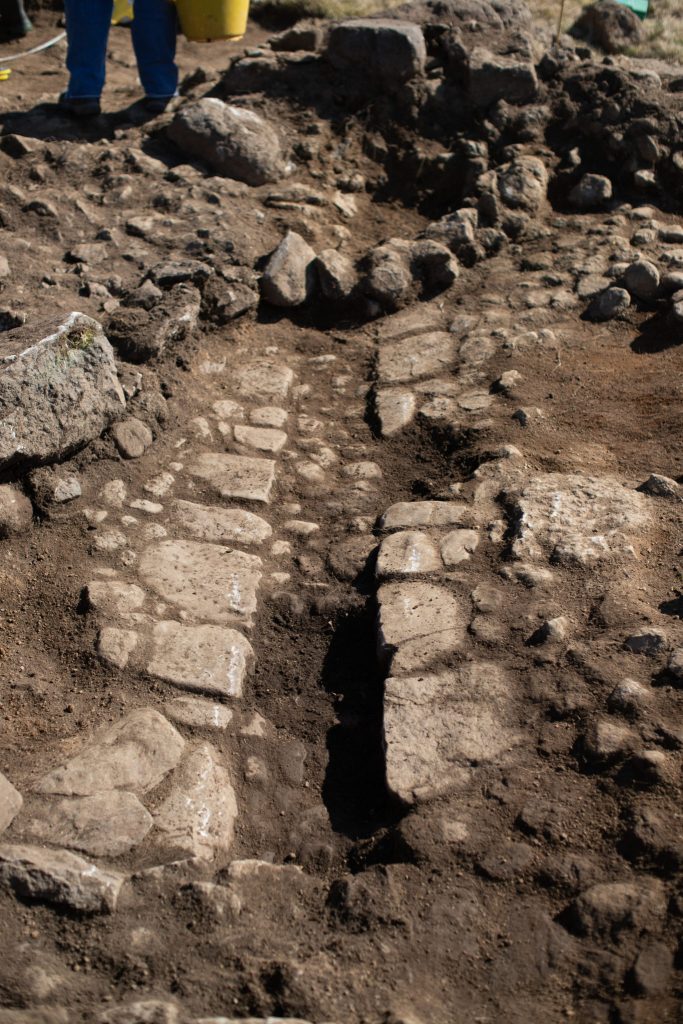
The Cabrach is the remote and often upland area of Aberdeenshire in the foothills of the Cairngorms. Dubbed “Smuggling’s Heartland”, the illegal distillation and transport of whisky was the main cause of economic and social development for a considerable period of time.
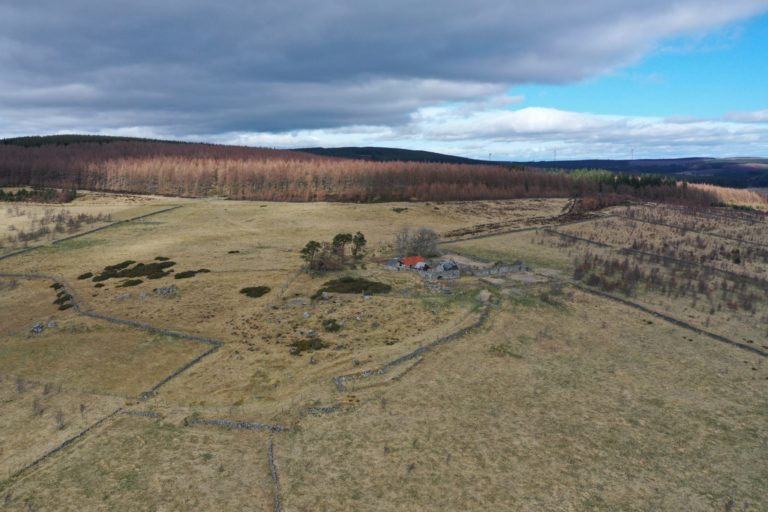
In 2018, a dig began at Blackmiddens, a ruined steading in the Cabrach on the border between Moray and Aberdeenshire. This is thought to be the first excavation of a traditional small-scale farm distillery. Blackmiddens was one of the first farms to be granted a licence to produce whisky following the ‘Excise Act’ of 1823 which effectively formalised the small-scale distilling of whisky, leading to today’s global whisky industry. However, whisky production at Blackmiddens stopped just eight years after it began and the farm fell into ruin.
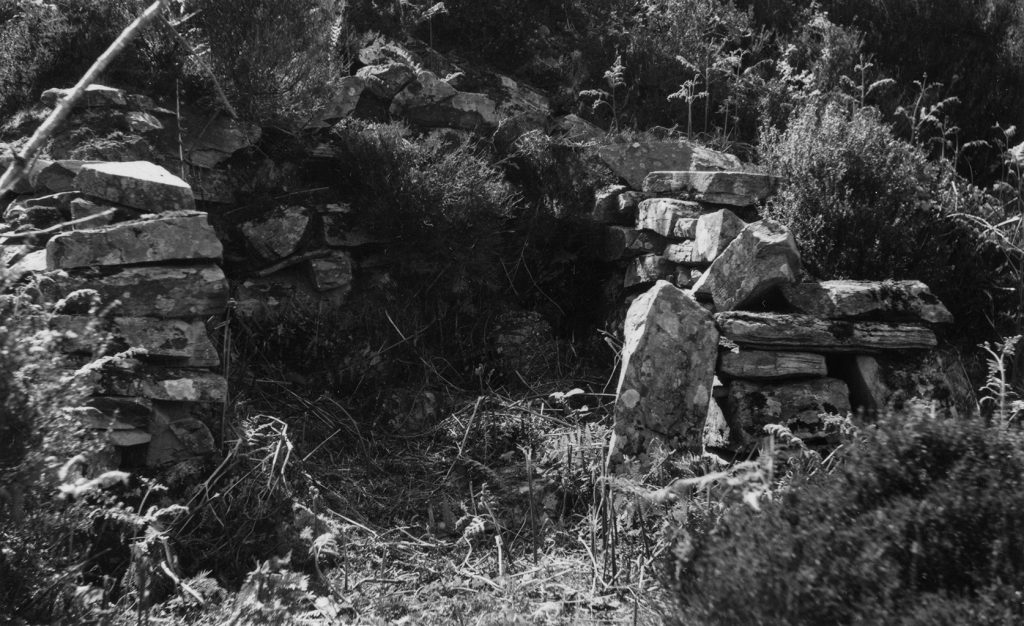
Outbuilding alleged to be the site of an old still, Smearisary, Moidart, Inverness-shire (Image Credit: Ian Whitaker, 1959. Reproduced with the permission of The School of Scottish Studies, The University of Edinburgh).
There are likely the remains of hundreds of illicit stills across the Highlands, and especially in the Cabrach. They are difficult to identify, both because of erosion over the passage of time and the fact that the stills were built so that they were hard to find. You are most likely to find them tucked away next to burns in the hills, with a few low stone walls built up against a wall of earth.
By Sally Pentecost, Dig It! Communications and Events Officer
Header Image: Reproduced with permission from The Cabrach Trust
