Five of the Best Hillforts in Scotland
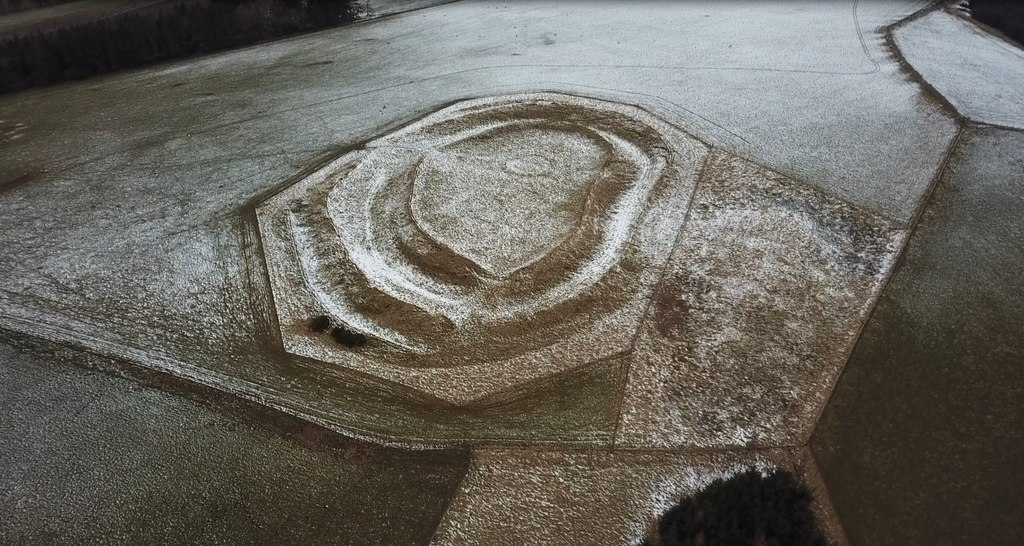
With over 1,000 hillforts waiting to be explored in Scotland, it can be difficult to know where to start. Luckily, we’re here to help.
What’s a hillfort?
First things first. Around 3,000 years ago, people within the modern boundaries of Scotland decided to take the high ground and began settling and taking refuge on hills. Many of these sites were fortified with earthworks, defensive walls and ditches and some included wooden or stone structures. Most of these hillforts were built in the southern parts of Scotland during the Iron Age and abandoned before the Roman army arrived almost 2,000 years ago.
We still don’t know why people built so many of them, why they were deserted, if they were actually designed to defend from attack (as the name suggests) or if they were constructed more as symbols of power.
So which ones need to be on your list?
The “Mind Blowing” Tap O’Noth Fort in Aberdeenshire
In 2020, the University of Aberdeen announced that they’d identified one of the largest Pictish settlements ever discovered in Scotland. Up to 4,000 people may have lived or gathered in more than 800 huts on the summit of Tap O’ Noth with the settlement possibly being built over 1,700 years ago (in the AD 200s).
The discovery was made when the team radiocarbon dated (a method for determining the age of an object containing organic material) samples which were gathered in 2019. This information was combined with drone surveys and laser technology which showed that there are hundreds of hut platforms within the fort – described as “potentially verging on urban in scale”.
At its height, it may have rivalled the largest known post-Roman settlements in Europe. Professor Gordon Noble, who led the research, said the discovery “shakes the narrative of this whole time period.”
Tap O’ Noth is also the second highest fort in Scotland, so visit on a clear day and you’ll be rewarded with “a huge sweep of north-east of Scotland”.
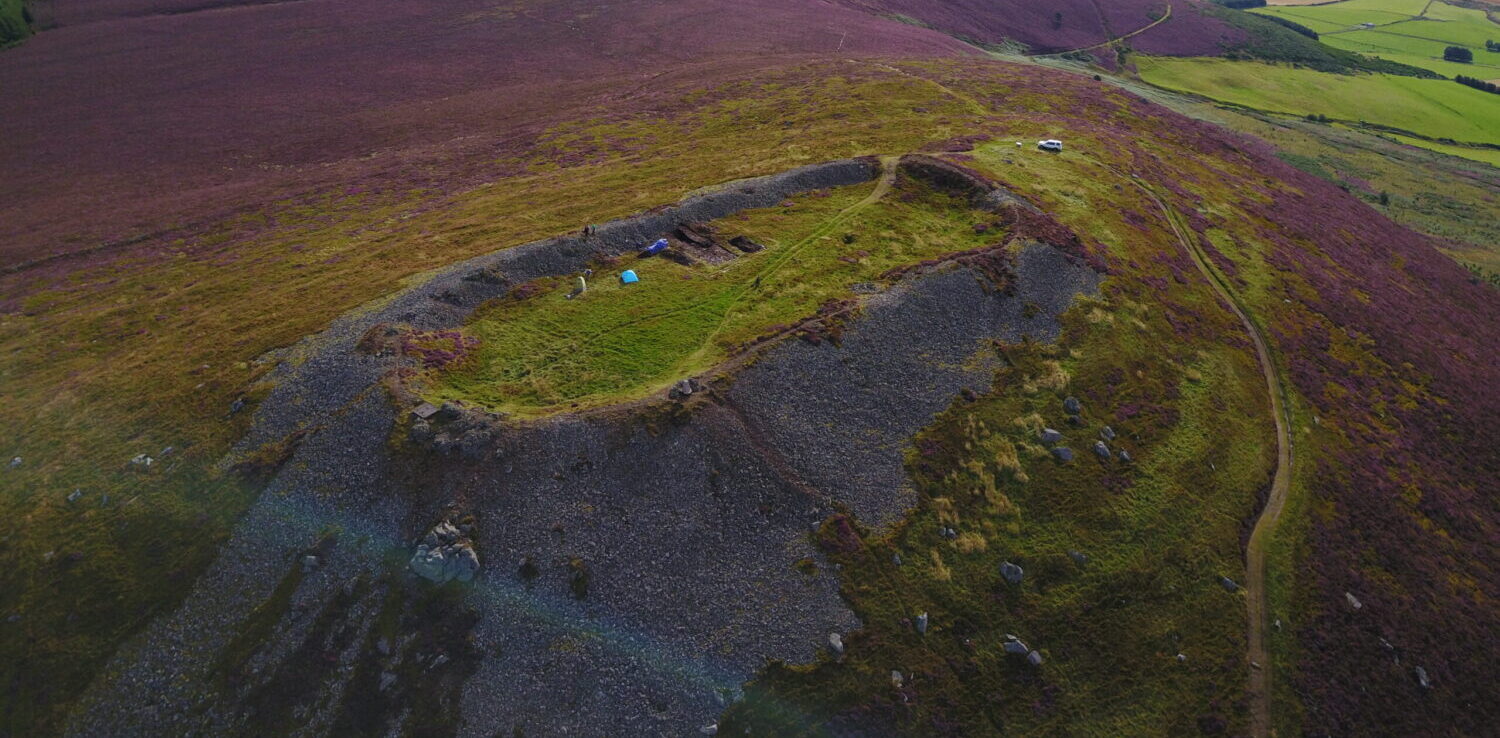
© University of Aberdeen
The Royal Power Centre of Dùn Ad (Dunadd Fort) in Argyll & Bute
Sitting on top of an isolated hill, Dùn Ad in Kilmartin Glen was a royal power centre of Gaelic kings over 1,200 years ago (in the AD 500s to 800s). Artefacts found during excavations by Alan Lane of Cardiff University in the 1980s, such as high-status weapons and a diverse range of pottery, confirmed Dùn Ad’s royal status and revealed its international importance.
Although it’s a short climb compared to some of the other sites on this list, the fort manages to make good use of the natural defences. Before reaching the enclosure at the summit (probably where the king would have ruled from), you’ll pass through a narrow natural passage and a series of natural terraces with the remains of “once-formidable” stone walls. The site also features several rock carvings including two human footprints which may have been used during important ceremonies.
Once you’ve explored Dùn Ad, join a tour or head to Kilmartin Museum (which reopens in 2023) to find out more about this prehistoric landscape.
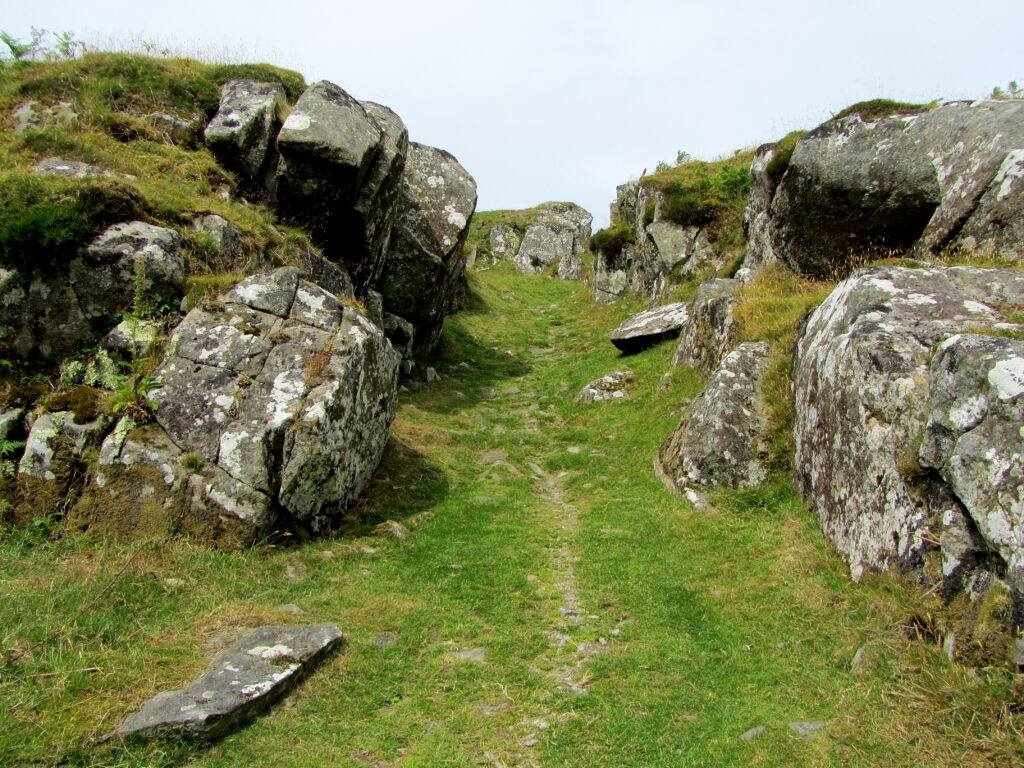
Photo © Chris Heaton (cc-by-sa/2.0)
The “Outstandingly Impressive” Chesters Fort in East Lothian
Described as “one of Scotland’s best-preserved Iron Age hillforts”, Chesters was probably built over 2,000 years ago (in the first millennium BC) and occupied by local tribes for several hundred years. It doesn’t actually sit on the highest point of its surrounding area so the elaborate ramparts and ditches may have been more for prestige than protection.
Interestingly, they weren’t the only ones who didn’t mind the height. The hillfort was briefly re-occupied during World War II as an observation post in the defence of a nearby Royal Air Force station.
Unlike many other sites on this list, it hasn’t been archaeologically excavated, but it’s believed that it could contain “information that could well revolutionise our understanding of the later Iron Age period in southern Scotland, and of the interaction between the native inhabitants and the Romans in the early centuries AD.”
If you decide to visit, look out for the remains of several houses, the elaborate entrance on the north-west side and at least six impressive earthwork ramparts surviving up to 5m high in places.

Photo © David McAfee (cc-by-sa/2.0)
The Towering Ben Griam Beg Fort in the Highlands
If you’re up for a challenge, the remains of the highest hillfort in Scotland can be found on the summit of Ben Griam Beg in Sutherland.
In addition to views that reportedly stretch to Orkney on a clear day, you’ll be rewarded with the remains of enclosure walls which appear to have been built at least 2,000 years ago during the Iron Age – likely when the climate was much warmer.
Archaeologists still aren’t sure why someone felt the need to construct walls (1.8m thick and 1m in average height) in such a remote hill in the middle of the peat bog. Was it a temporary refuge rather than a permanent settlement?
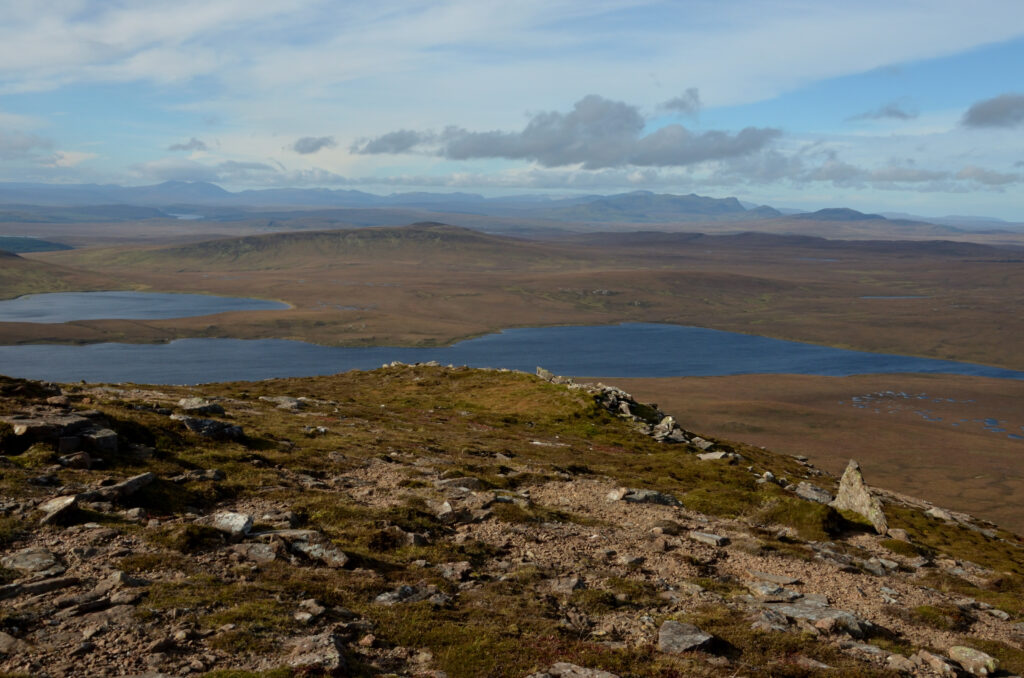
Photo © Andrew Tryon (cc-by-sa/2.0)
The Versatile Eildon Hill Fort in the Scottish Borders
The three peaks of Eildon Hill are some of the most widely visible landmarks in the Borders, so it’s no surprise that the site was chosen by both the locals and the Roman army.
Excavations have found evidence that the north hilltop was occupied over 3,000 years ago (by 1,000 BC) in the Bronze Age. In addition to miles of ramparts (some of which survive as terraces), hundreds of platforms were cut into the rock to provide bases for structures which may have housed around 2,000 people. Remarkably, some of these pockmarks can still be seen from a distance on a frosty day.
When the Roman army arrived around 2,000 years ago (in the 80s AD), they built the massive fort of Trimontium (named after the three peaks) and placed a lookout and signal station on the hill. This connected with a fire chain which included lookouts on prominent hills that could warn them of an impending attack.
What about the former residents? The hillfort seems to have been abandoned by the time the Romans arrived as their excavated artefacts overlaid other finds.
If you want to find out more, join a tour or head to the Trimontium Museum in Melrose which gives a flavour of what life was like at the time while offering up one of the “finest collection of Roman military finds anywhere in the UK”.
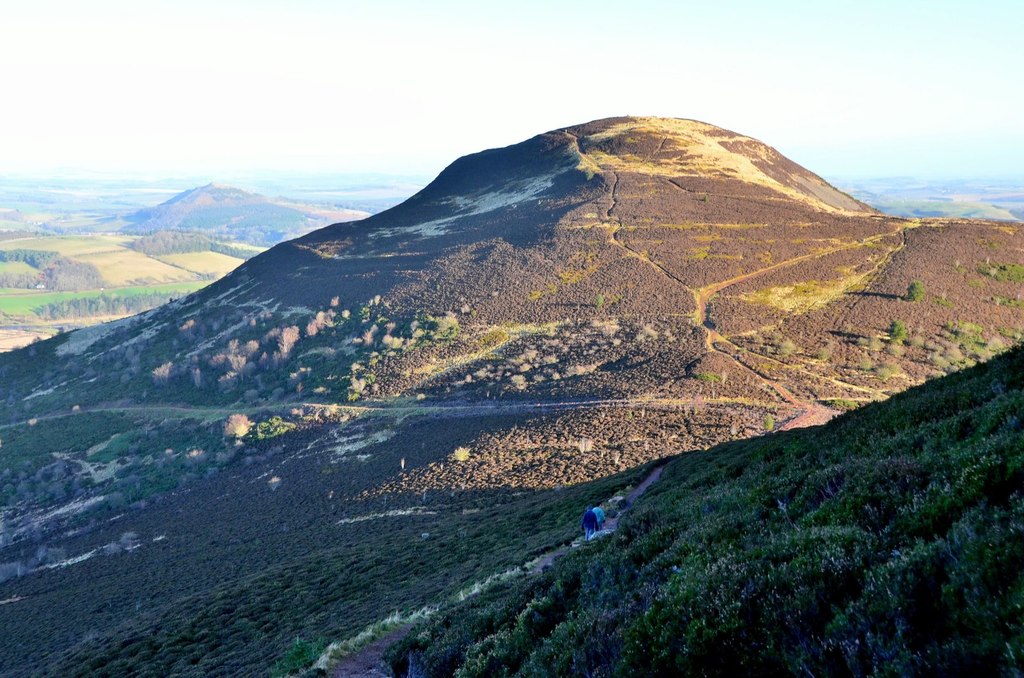
Photo © Jim Barton (cc-by-sa/2.0)
This list is by no means exhaustive, so if you’re feeling inspired visit the Atlas of Hillforts to find one near you.
Tweet
Bonus Header Image Hillfort: West Addinston hill fort in the Scottish Borders © Alan Murray (cc-by-sa/2.0)
