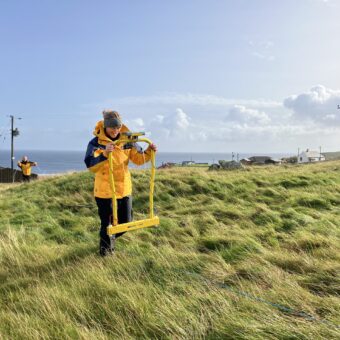
Were you fascinated by x-ray glasses as a child? It’s a regular superhero thing – to be able to look through walls, seeing in a different way to everyone else. Geophysical survey is a little bit like that
Decoding Archaeology
Get to grips with the science and techniques behind Scotland’s archaeological stories
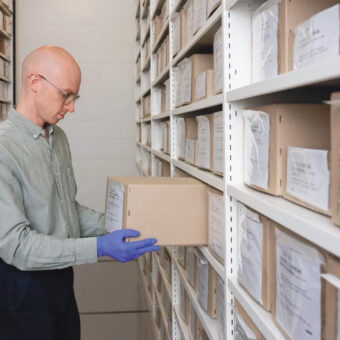
Why Do Museums in Scotland Store Human Remains?
Human remains from the past are discovered frequently in Scotland
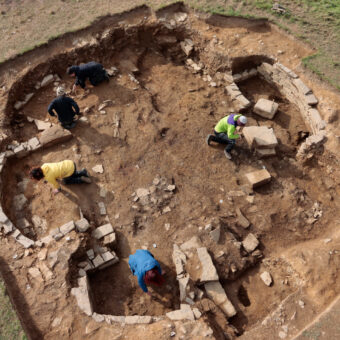
What Happens When Human Remains Are Found in Scotland?
With over 12,000 years of human history beneath our feet, the remains of people who lived in Scotland before us are found frequently, and often in unexpected places.
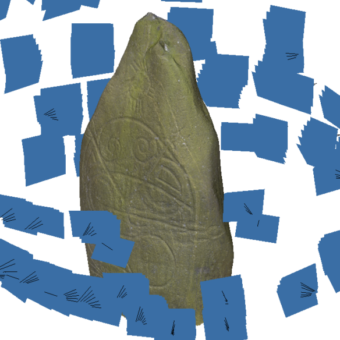
What is Photogrammetry and What Has It Uncovered in Scotland?
Photogrammetry is a digital imaging method that’s increasingly used in cultural heritage and archaeology
What Is Archaeology?
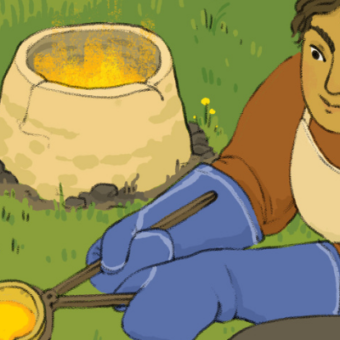
Archaeology is the study of people from the past, trying to understand who they were and how they lived through the evidence they left behind.

What Happens When Scotland’s Past Meets New Development?
When roads, houses and offices are built in Scotland, traces of the past are often found during the process.

Cream of the Crop: What Are Cropmarks and Why Are They Important?
What do you think of when you hear the word “cropmark”? And what have cropmarks got to do with archaeology?

What is Post-Excavation Processing?
Archaeologists don’t just dig in the soil. We also take lots of soil back to our finds labs

What are Statements of Significance?
What makes Skara Brae in Orkney so special? How do you look after a Cold War bunker? What else do we need to know about the Castle of Old Wick in Caithness?

Halls, Swords and Spears: From Archaeological Evaluation to Excavation in Scotland
How do archaeologists know where to find archaeological sites, features and artefacts?

What Are Watching Briefs and What Have They Uncovered in Scotland?
What do you think of when you hear the words “archaeological site”? The Antonine Wall? Skara Brae? Tursachan Chalanais (the Callanais Stones)? How about the building site down the street? Or the house extension next door?

What are Archaeological Desk-Based Assessments and What Have They Uncovered in Scotland?
Archaeology doesn’t begin when the shovel hits the ground. Indeed, it’s possible to study historic features in the landscape without even kneeling down! Lachlan McKeggie, Director of Highland Archaeological Services, lifts the lid on one form of archaeological investigation – desk-based assessments.
