The Best Scottish Archaeology Gift Guide
Wondering what to buy for the person who has everything (and also happens to love Scotland’s past)? We’ve created a handy list to help you finish your shopping while supporting Scottish charities and community heritage projects.
Broch Pins (£7.00)
Brochs are uniquely Scottish drystone structures which were inhabited up to 1,000 years ago and there are more of these Iron Ages sites in Caithness than anywhere else in the country. The Caithness Broch Project plans to build a replica using authentic techniques from the time which would become a visitor centre and workshop.
Why not help this charity and tick someone off your shopping list at the same time by ordering one of their colourful broch pins, “a wearable token of Scotland’s vibrant history, a conversation starter, and a unique expression of [their] individual style.”

Dunbeath Broch in Caithness (Image credit: The Caithness Broch Project)
Wemyss Caves Pebble Pendant (£8.00)
The village of Wemyss in Fife is home to six caves which contain nationally important heritage, including a unique collection of carved symbols.
The earliest of the carvings are thought to date to the Bronze Age (around 4,500 to 2,800 years ago), while the majority are believed to have been made around 1,500 years ago by the Picts. The Pictish carvings, including a swan, horse, warrior figure, boat and fish, are among the earliest of their kind known in Scotland and are widely thought to represent the highest concentration of Pictish cave carvings in Britain.
You can support the Save Wemyss Ancient Caves Society charity by ordering one of the pebble pendants which have been handmade in Scotland by Pictish Designs.
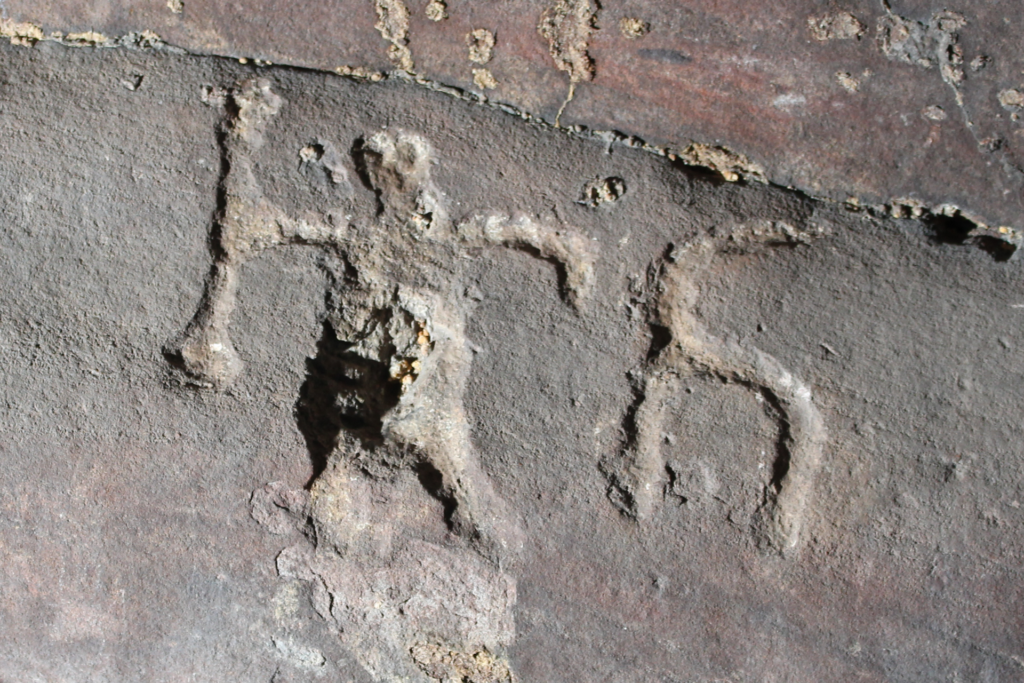
One of the carvings in Wemyss Caves (Image © Save Wemyss Ancient Caves Society)
Orkney Mug and Calendar (£9.00 to £10.00)
Some of Scotland’s most famous Neolithic sites can be found in Orkney, including the Ring of Brodgar Stone Circle and Henge, an enormous ceremonial site which was likely constructed over 4,000 years ago.
Know someone who can’t get enough of this archipelago? Dig It! is primarily funded by Historic Environment Scotland and this charity has just what your recipient needs: a colourful Orkney mug featuring these sites and artefacts. Plus, every purchase helps them protect the country’s historic places.
You could even combine it with Orkney Archaeology Society’s annual calendar which features a range of photographs taken by their members.
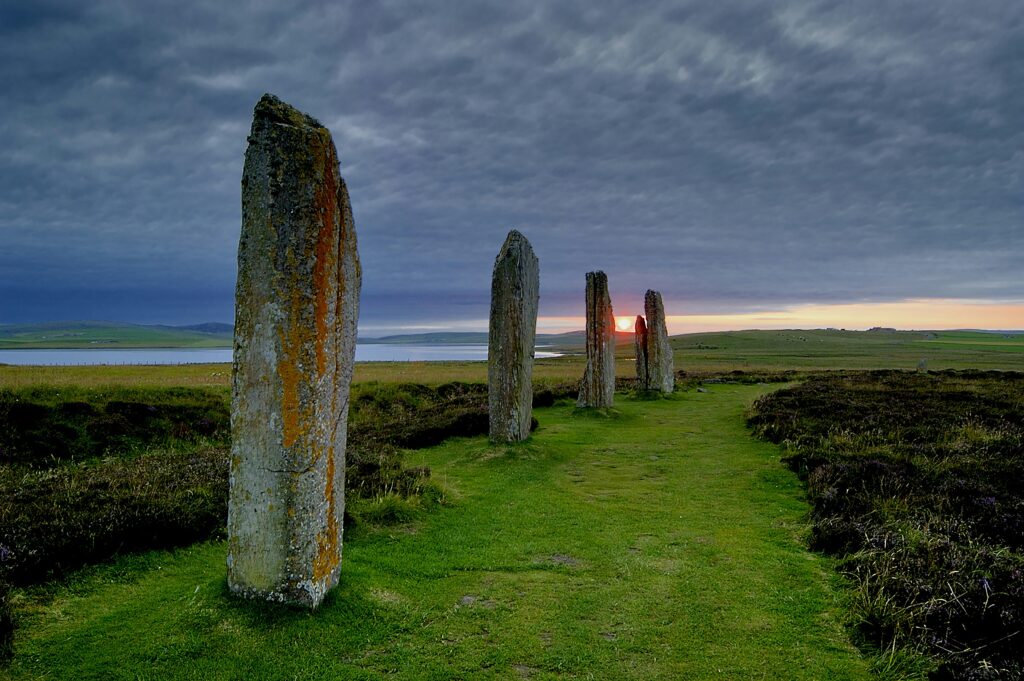
Ring of Brodgar (Image credit: Maxwell Andrews on Unsplash)
Winds of Change: The Living Landscapes of Hirta, St Kilda (£10.00)
A community existed on Hiort (St Kilda) in na h-Eileanan Siar (the Outer Hebrides) from the Bronze Age (at least 4,000 years ago) until 1930 when the final 36 islanders were evacuated.
Know someone who’d love to dig into this story? This volume from the Society of Antiquaries of Scotland (who coordinate Dig It!) interprets archaeological research undertaken on the main island (Hirta) over the past twenty years. According to one review, it’s “beautifully presented” with “copious colourful illustrations” and “can be regarded as a landmark in archaeological publication”.
Proceeds from sales of all books in the Society’s shop enable the charity to continue promoting the research and conservation of Scotland’s historical and archaeological environment.
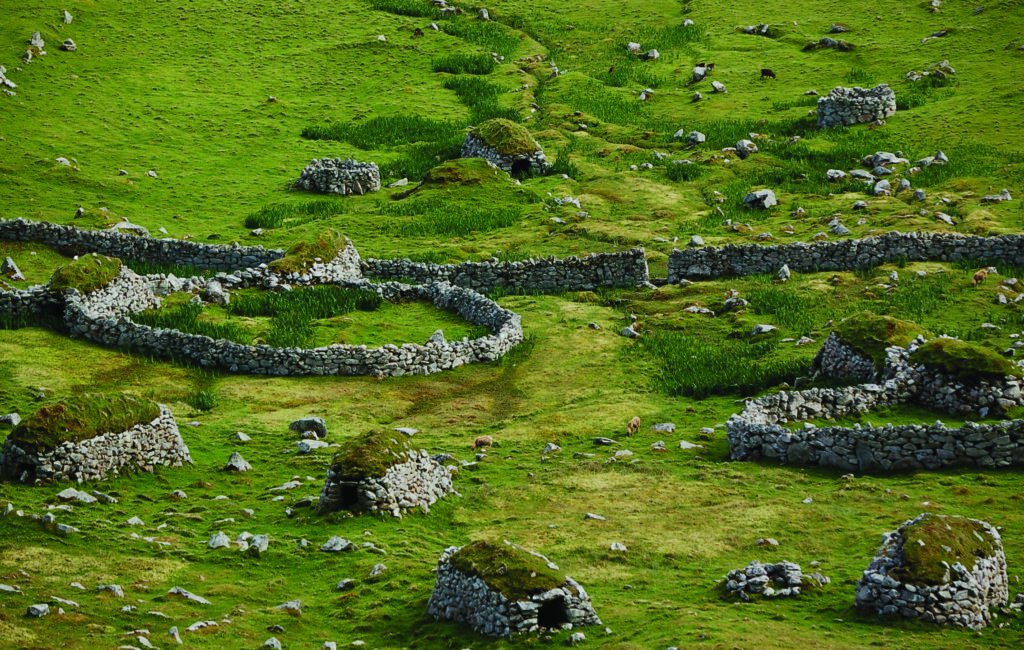
The possible area of the medieval village on Hiort (Image © National Trust for Scotland)
Waggonway T-shirt (£15.00)
In 2019, the 1722 Waggonway Heritage Group unearthed the remnants of Scotland’s first railway track which connected coal pits, salt pans and a harbour while relying on a combination of horses and gravity. In 2021, they went one step further by finding three early wooden railways stacked on top of each other which appears to have been the result of multiple upgrades over a short period of time.
The wooden rails from the original Tranent Cockenzie Waggonway – which predates traditional steam railways and has ties to the Jacobite Rebellion of 1715 – were found one metre below the surface of a modern-day footpath in East Lothian.
They now have enough knowledge to be able to build a working wooden replica (exactly as it was constructed in the 18th century) and several other replica structures associated with the waggonway, including a full-scale working salt pan house.
If you’d like to help the group, you can grab one of the t-shirts from their online shop for your favourite railway fan.
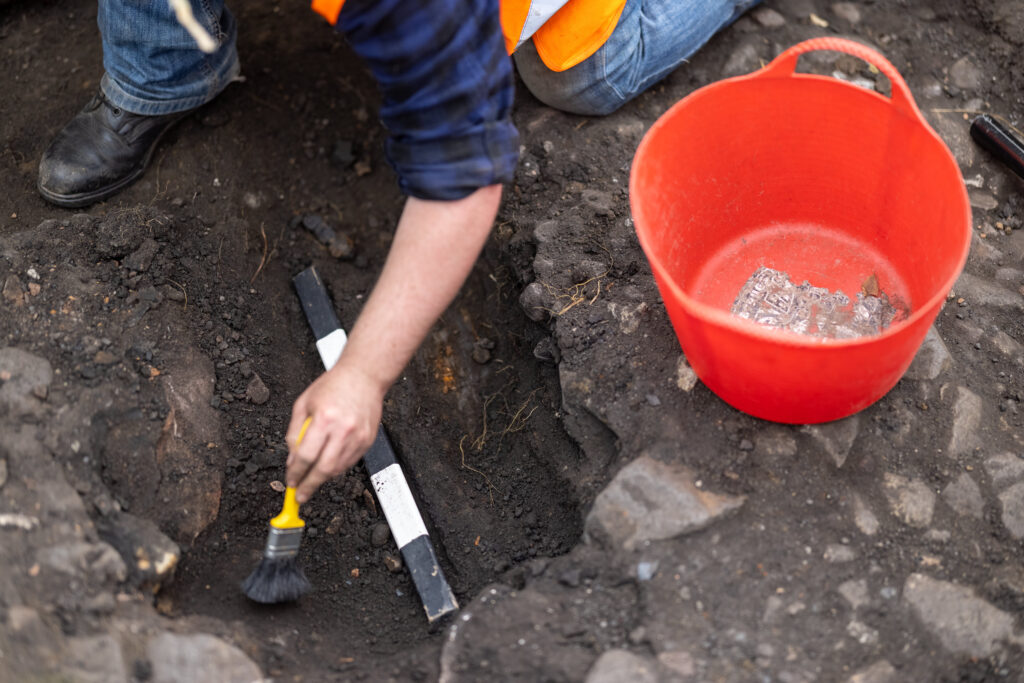
Waggonway excavation in 2021 (Image © Shahbaz Majeed 2021)
Galloway Hoard Gold Bird Earrings (£15.99)
Buried at the beginning of the 10th century, the Galloway Hoard lay undisturbed for a thousand years before being found by a metal detectorist and excavated by archaeologists (including Andrew Nicholson of the Dumfries and Galloway Council) in September 2014. It’s been described as “the richest collection of rare and unique Viking-age objects ever found in Britain or Ireland”.
Made up of more than 100 objects, the hoard includes Viking Age silver jewellery and ingots, as well as a bird-shaped pin, “one of the most fascinating pieces in the hoard”.
These exclusive earrings from National Museums Scotland feature a scaled down replica and help support the charity which ran a successful fundraising campaign (supported by the National Heritage Memorial Fund and Artfund) to save the Hoard for the nation.
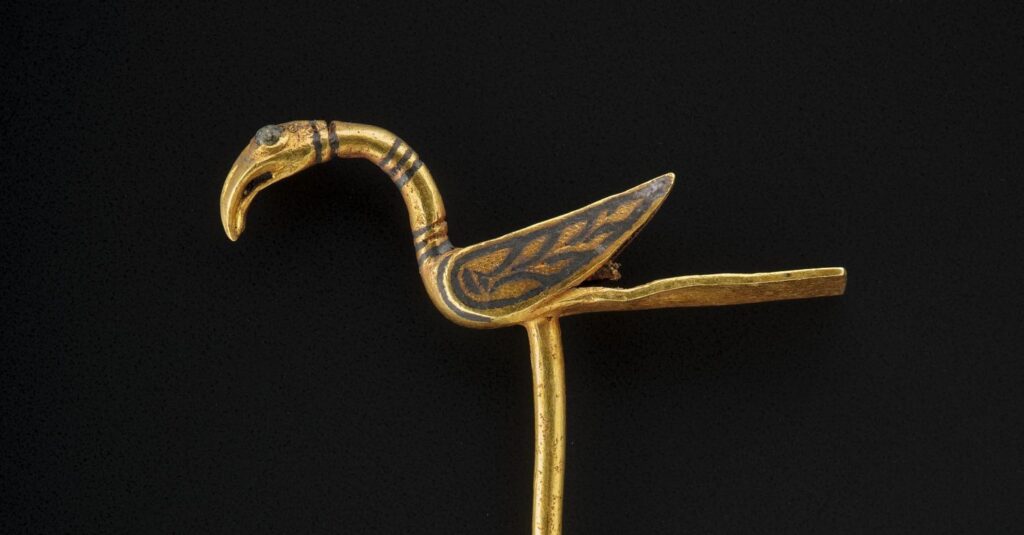
Galloway Hoard gold bird pin (Image © National Museums Scotland)
Archaeology Scotland Membership (from £30 annually or £2.50 monthly)
Archaeology Scotland has helped investigate prehistoric rock art in Argyll and Bute, a 16th-century defended settlement site in the Scottish Borders, a 17th– century manor and 19th-century stately home in Fife, and more.
Not only did they add to our knowledge of these sites, but they engaged with members of the local communities (including local schools and youth groups), many of whom had never been involved in archaeology before.
By purchasing an Archaeology Scotland membership for someone, you’ll be giving them a present that they can enjoy throughout the year thanks to the e-newsletters, annual journal and members’ magazines, while helping this charity to encourage and empower people of all ages and backgrounds to enjoy, care about and connect with Scotland’s heritage.
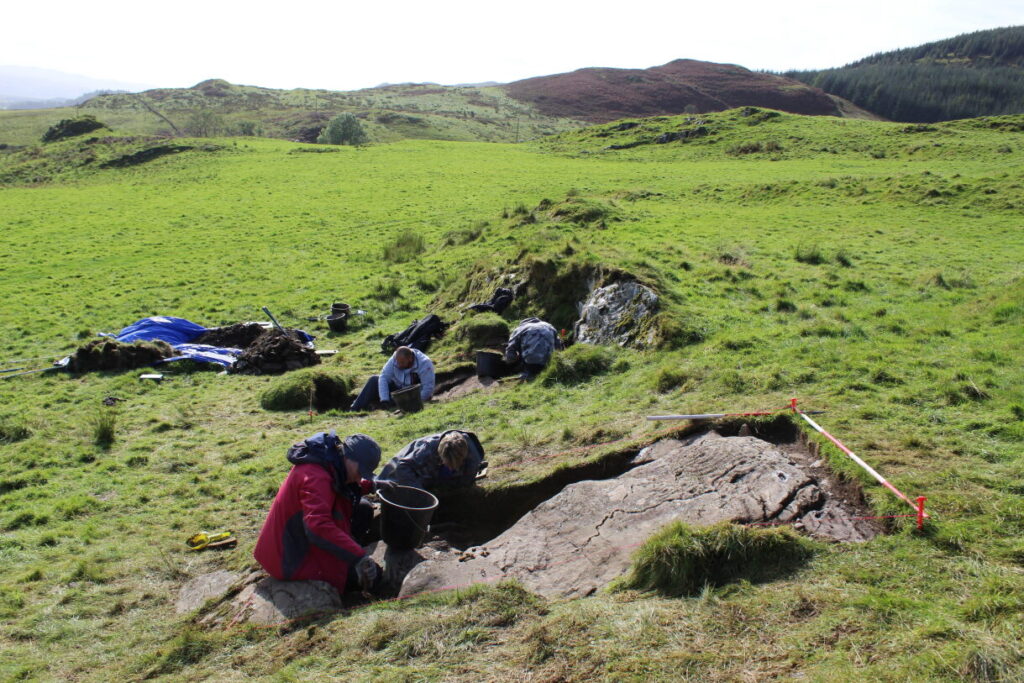
Kilmartin rock art excavation (Image credit: Archaeology Scotland)
Carved in Stone: A Storyteller’s Guide to the Picts (£50)
Despite forming a major kingdom of early medieval Scotland, the Picts have a relatively one-dimensional image in popular culture, often portrayed as blue-tattooed barbarians.
Produced in partnership with Dig It! and released in November 2025, Carved in Stone was designed to present the latest archaeological research about the Picts in a more accessible and engaging way which highlights that they were like any human society: complicated.
Carved in Stone is an illustrated guide to the world of the Picts, an early medieval Scottish society, in the late 7th century. Packed with information on the weather, languages, settlements, cuisine, fashion, medicine, skills and more, cutting-edge research is presented in over 160 pages with more than 350 historically informed illustrations.
The book can be enjoyed by anyone aged 14+ with an interest in Scotland’s past. It can also be used by those who already play tabletop roleplaying games to build adventures where players explore the landscape, meet the Picts and their neighbours, and create their own stories.
If you’re based in the UK and want to give someone a copy as a Christmas present, place your order before 15 December 2025 to ensure it arrives in time.
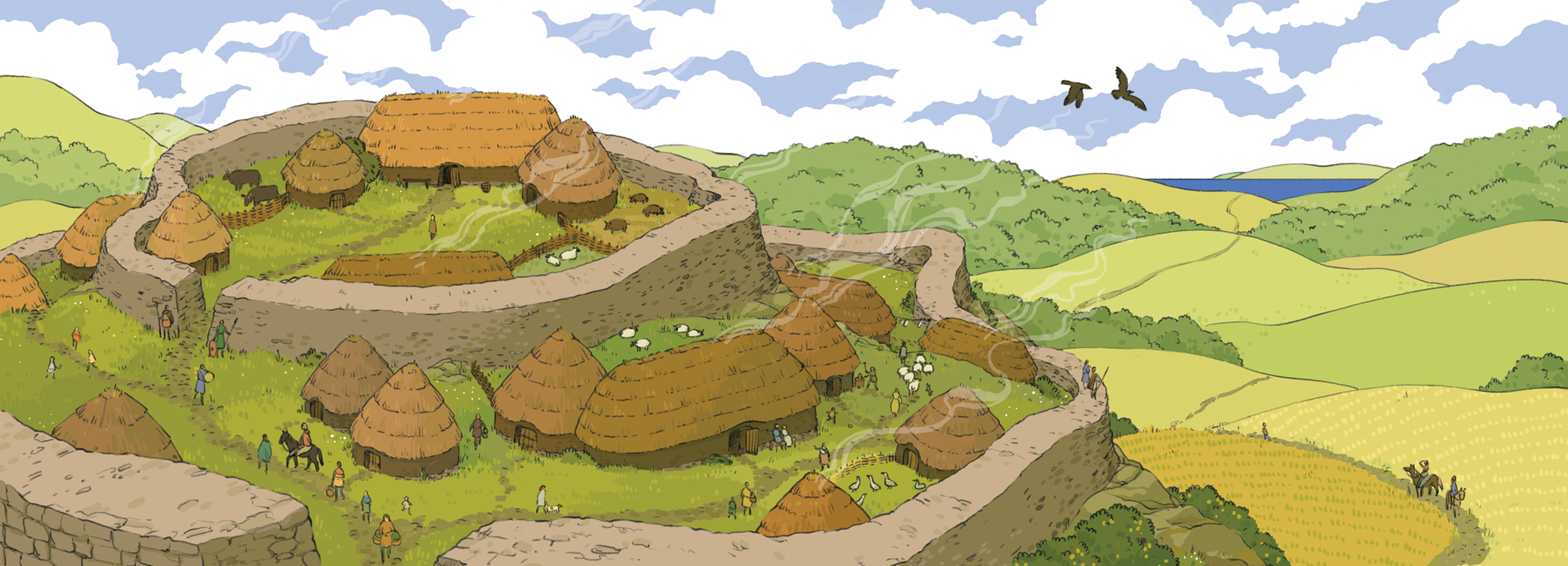
A Pictish hillfort from the ‘Settlements’ section of Carved in Stone (Image Credit: Anine Bösenberg anineillustration.com)
If you’re feeling inspired, visit our Discover page to keep reading about Scottish archaeology.
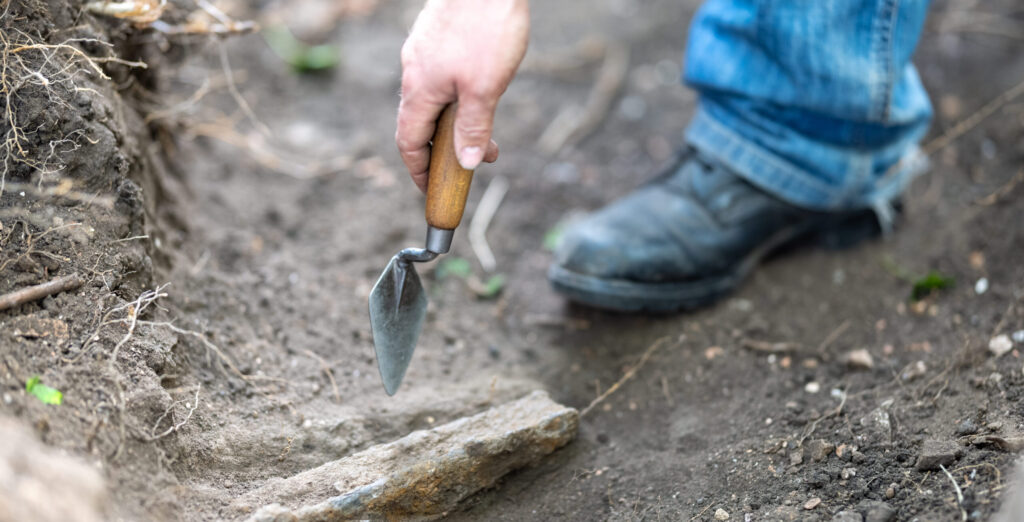
Header Photo: Waggonway excavation in 2021 © Shahbaz Majeed 2021
