Five of Scotland’s Most “Ground-Breaking” Archaeological Discoveries from 2021
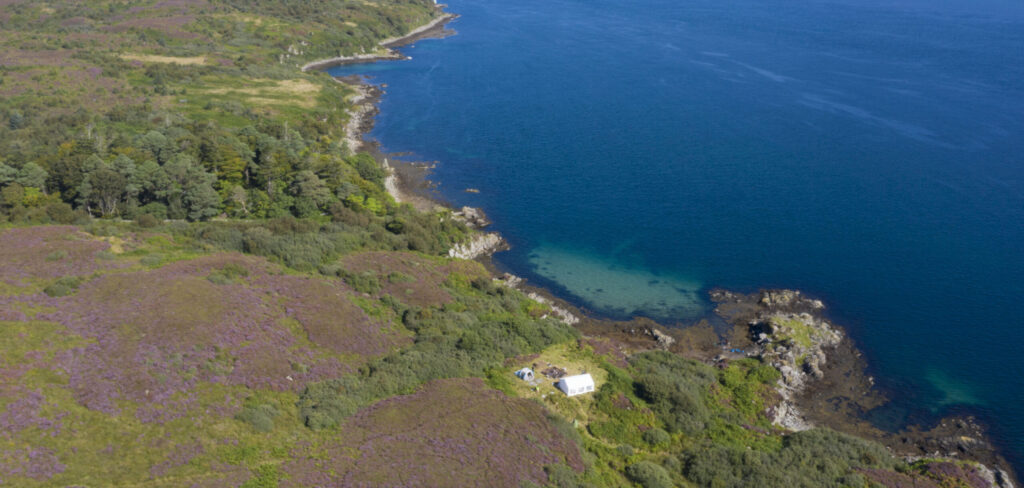
Prehistoric animal carvings, a 5,000-year-old monument and a “phenomenal” illicit whisky distilling site are among the top finds from the last 12 months.
Each year, archaeologists and volunteers uncover new details about Scotland’s past through fieldwork, post-excavation analysis and research which help rewrite history and we’ve compiled a list of the biggest stories.
1) Potentially the first in-situ Ice Age campsite in Scotland
Excavations at Rubha Port-an t-Seilich on Ìle (Islay) in Na h-Eileanan a-staigh (the Inner Hebrides) began after pigs exposed flint artefacts and have revealed that Mesolithic foragers repeatedly returned to make camp on the terrace between 9,200 and 6,000 years ago.
These foragers may, however, have been following in the footsteps of ice age pioneers who arrived first (around 12,000 years ago). Archaeologists have previously uncovered evidence below the Mesolithic layers that suggest earlier occupation, but the 2021 excavation found further artefacts to suggest that the layer is Late Glacial, as well as additional Mesolithic discoveries including fireplaces. These finds suggest that an Ice Age campsite might remain in place below the Mesolithic deposits, which would be the first for Scotland.
The excavation has been supported by the Society of Antiquaries of Scotland (who coordinate Dig It!), the Society of Antiquaries of London (with a lecture available online), the Royal Archaeological Institute and the University of Reading.
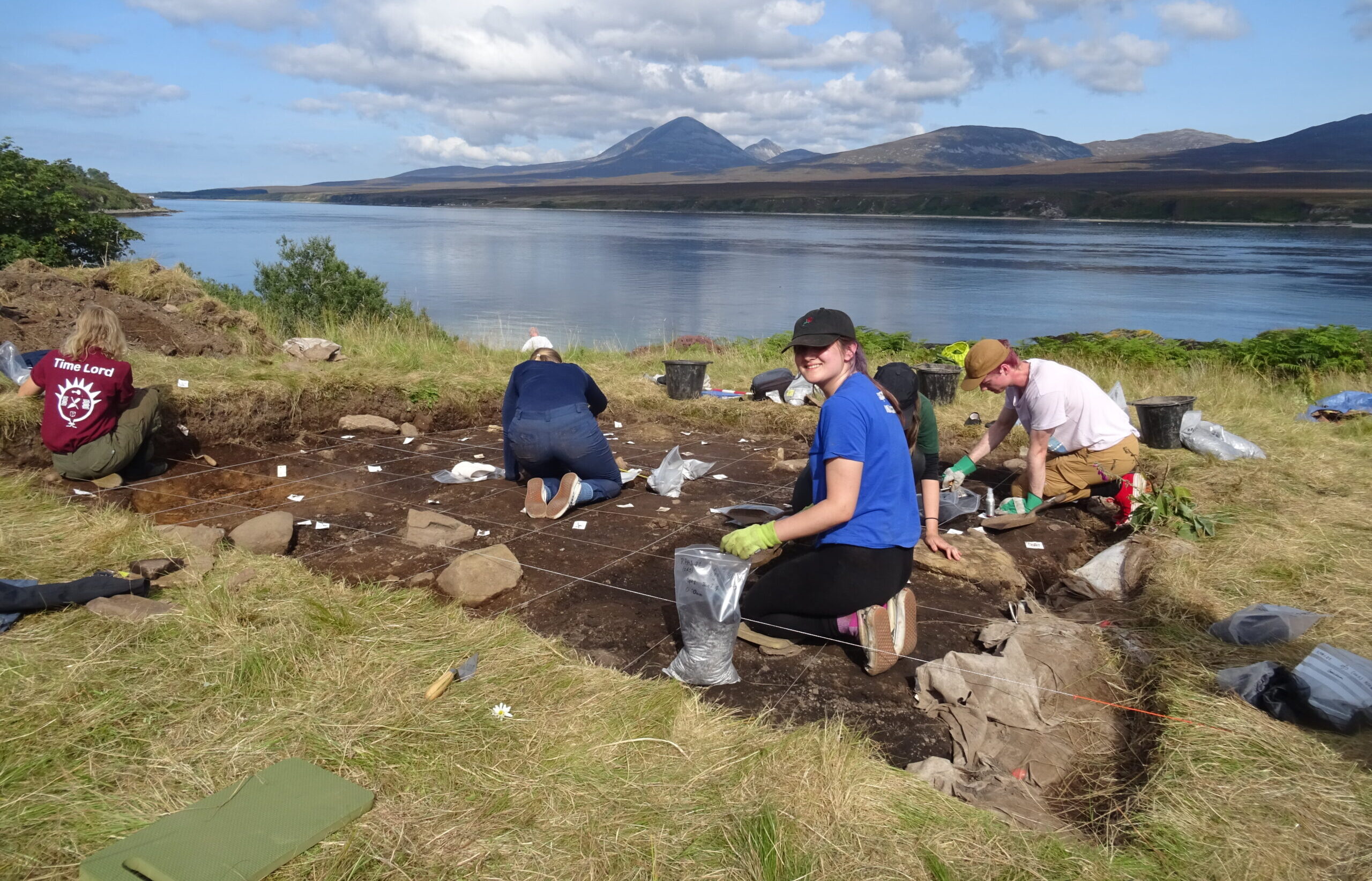
Excavation at Rubha Port an t-Seilich in September 2021 (Image credit: Steven Mithen)
2) Scotland’s earliest known animal carvings
In May, Historic Environment Scotland announced that animal carvings, thought to be between 4,000 and 5,000 years old, had been discovered inside a tomb in Argyll. They include depictions of two male red deer with antlers, as well as three other quadrupeds which may be juvenile deer. Deer would have been valuable as sources of meat and hides, with bones and antlers used for a variety of tools, and may have had an important symbolic role in prehistory.
The carvings were discovered inside Dunchraigaig Cairn in Kilmartin Glen by Hamish Fenton, and their authenticity was confirmed by experts from Scotland’s Rock Art Project.
These are the earliest known animal carvings in Scotland, and the first clear examples of deer carvings from the Neolithic or Early Bronze Age in the whole of the UK.
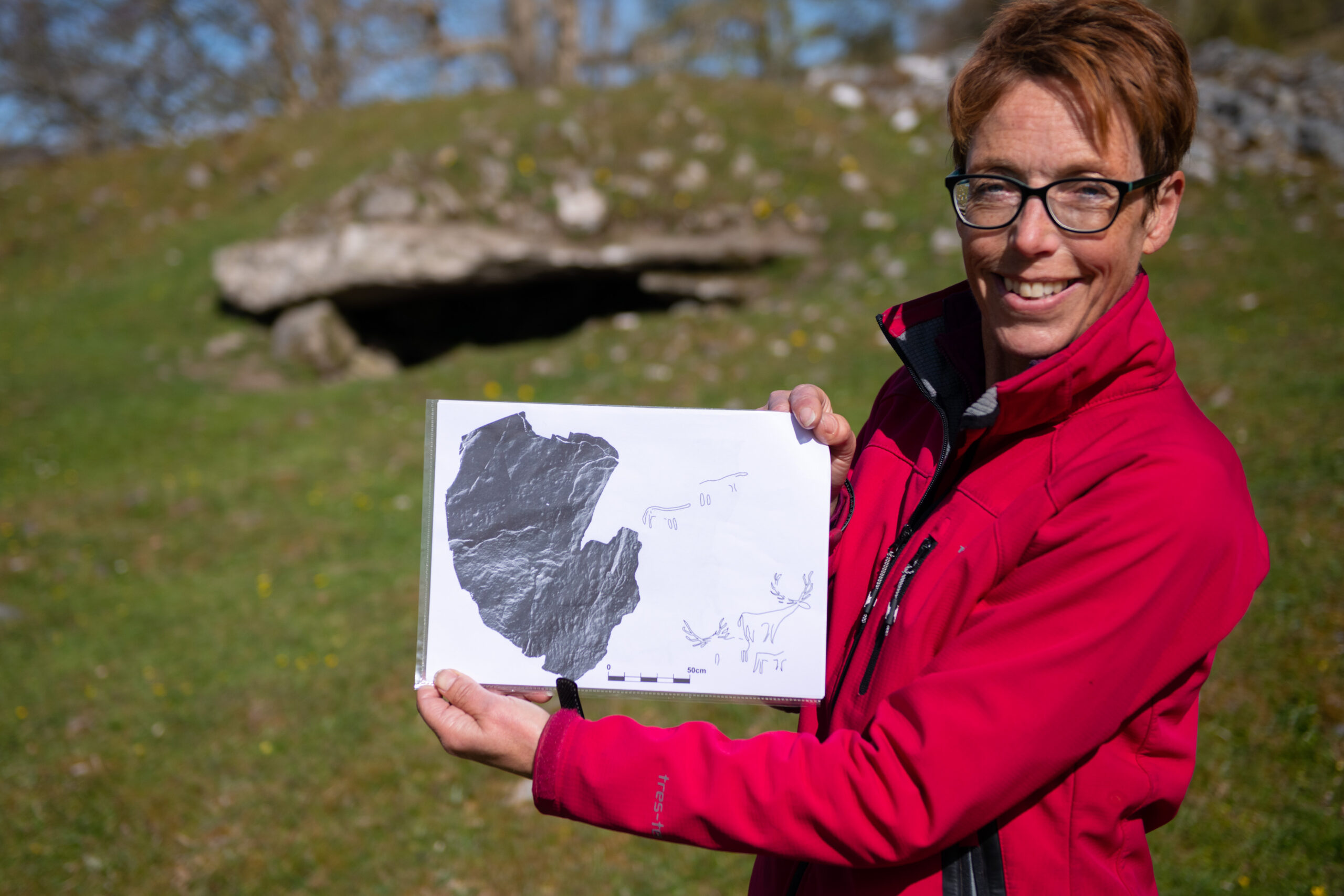
An illustration of the figures represented in the rock art at Dunchraigaig Cairn in Kilmartin Glen (Image credit: Historic Environment Scotland)
3) A 5,000-year-old Monument Possibly Used for Neolithic ‘Ritual’
In August, archaeologists and volunteers travelled to Eilean Arainn (Isle of Arran) and teamed up with members of the community to investigate a possible 5,000-year-old cursus monument. Previously detected in an aerial laser scan by Historic Environment Scotland in 2017, these Neolithic monuments usually consist of a long avenue formed by two parallel mounds of earth or wooden posts which would have taken decades to build. At over 1.2 kilometres long, the vast amount of resources required to create this kind of monument suggests that they were incredibly important to the island’s prehistoric residents.
It’s believed that they were used for ritual purposes, perhaps with processions of people travelling from one end to the other. In this case the journey would have culminated with spectacular views over the Machrie Moor timber and stone circle complex. During the dig, the team also uncovered worked flint and pitchstone (volcanic glass-like stone from Arainn), which appear to be waste material produced in the making and use of prehistoric stone implements. These finds may indicate the remains of a Neolithic settlement dating to before the construction of the cursus monument.
Investigations are expected to continue in 2022, with support from Drumadoon Northwoods Rewilding Project, Northlight Heritage, Birkbeck University of London and the University of Glasgow.
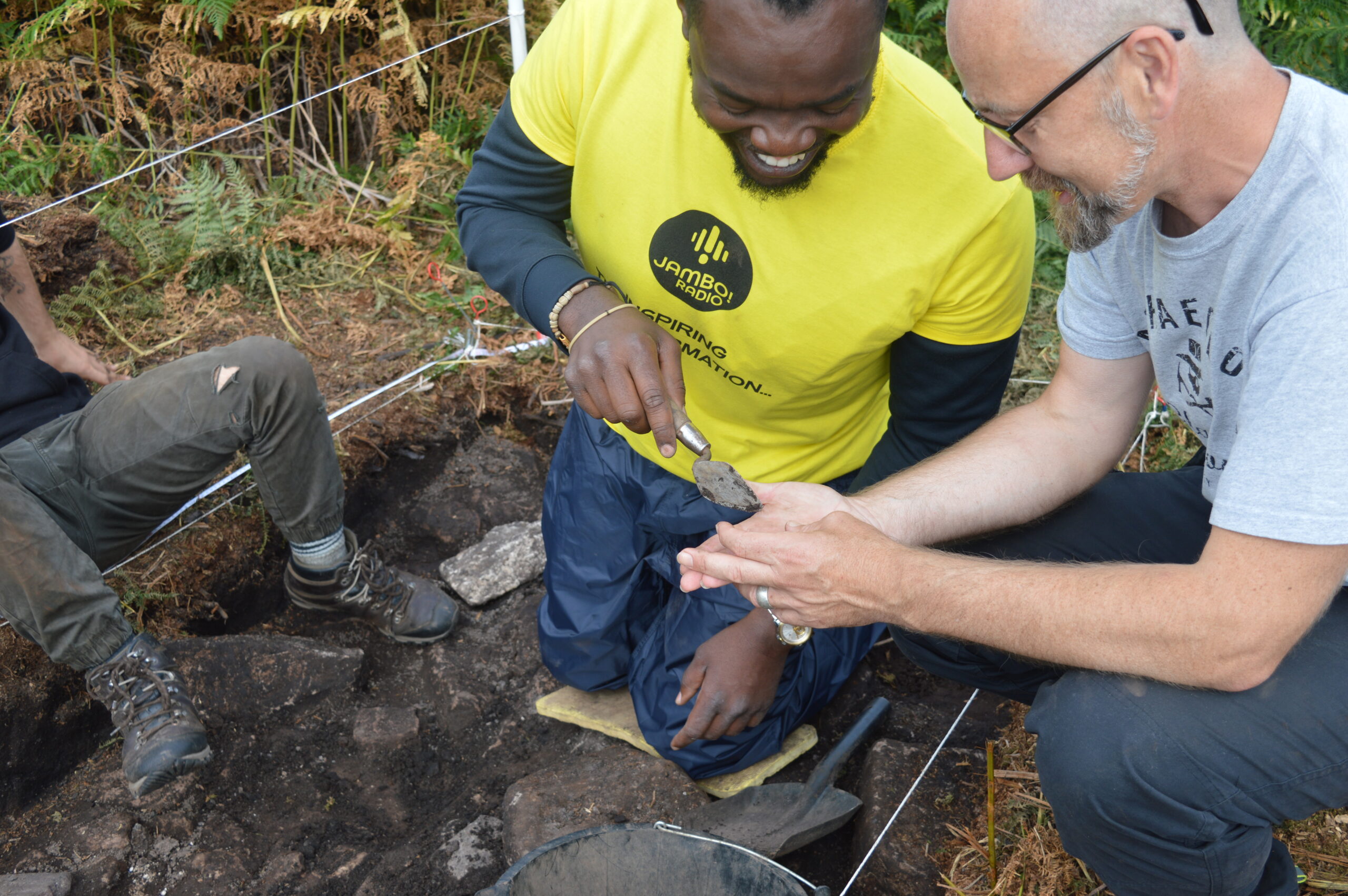
Presenters from Jambo! Radio worked with Gavin MacGregor of Northlight Heritage to identify Neolithic material at the site of the cursus monument (Image Credit: Dig It!)
4) “Phenomenal” Illicit Whisky Distilling Site
In the Highlands, the Lost Inverlael community archaeology project run by Ullapool Museum has been learning more about an extensive township that was cleared in 1819 and has never been fully recorded.
Earlier this year, they were undertaking walkover surveys with the local community near shielings close to the remains when they discovered a rare example of a well-preserved illicit whisky distilling still. The site included a visible drain and hearth with the water source still trickling down the rock face.
According to leading Highland whisky distilling expert Darroch Bratt, it’s unusual to find “extremely clear features demonstrating exactly how the process was conducted”, but most stages are represented at this “significant” and “phenomenal” site which could date back to the late 18th century.
The team noted that the find “adds another dimension to the shielings and associated settlement, and wider Highland history and culture.”
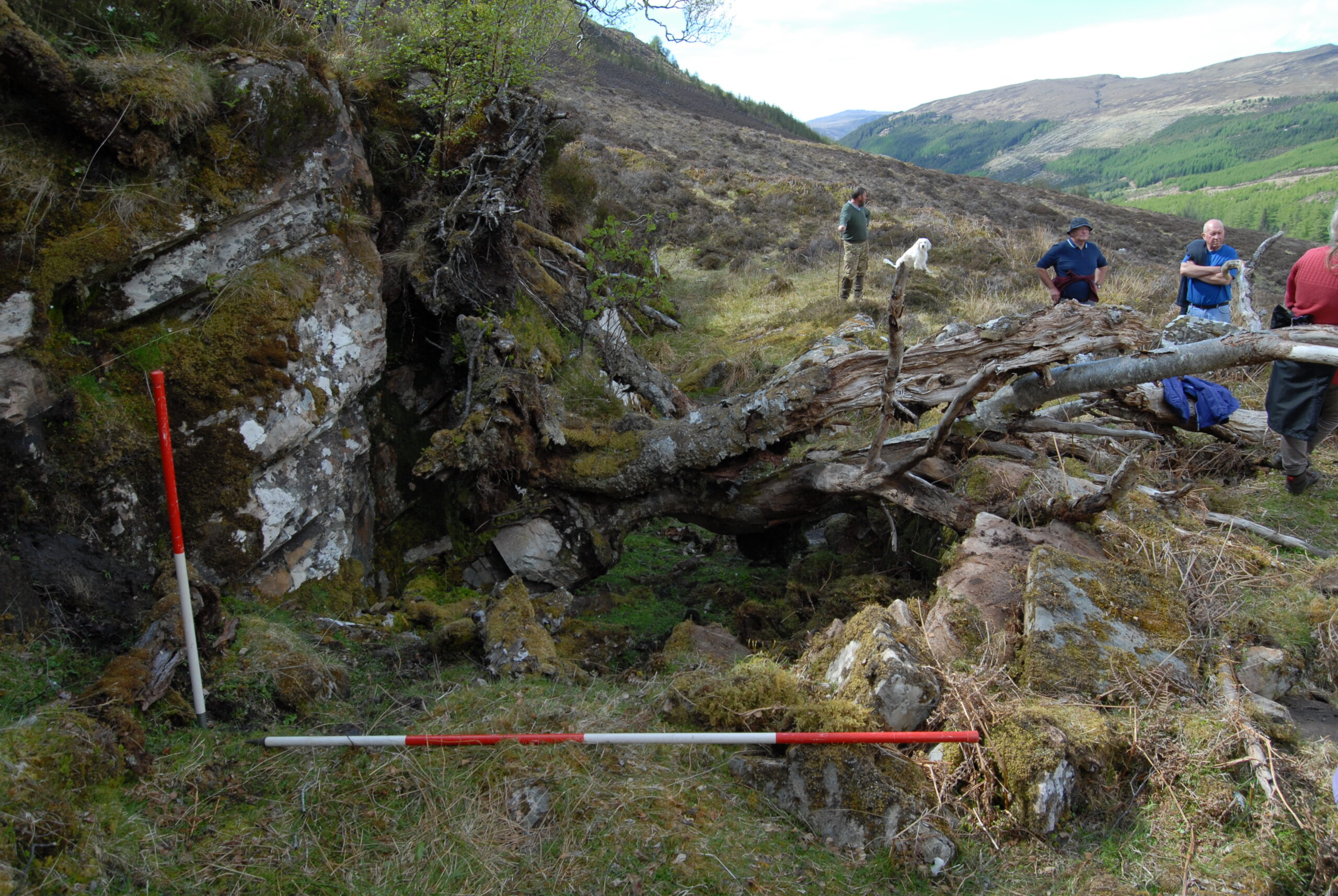
The moment the site near Loch Broom was discovered (Image credit: Lost Inverlael)
5) One of the most significant footballing sites in the world
Features which are part of football stadiums today, such as turnstiles, embankment standing and season tickets, originated at the first Hampden stadium in Glasgow which opened in 1873. After ten years, it was closed due to the building of a railway line and eventually became “lost”.
Earlier this year, archaeologists and volunteers headed to where it was believed the stadium once stood and revealed evidence that confirmed the location, including of the foundations of the pavilion where the first players to play for Queens Park and the Scottish national team would have changed and artefacts dropped by early supporters including beer bottles and clay pipes.
Forming part of Archaeology Scotland’s New Audience Project, funded by Historic Environment Scotland, the project with The Hampden Collection was designed to engage audiences that would not normally have access to heritage or archaeology.

Volunteering at the Glasgow site (Image credit: Archaeology Scotland)
Commercial archaeological units, whose work in conjunction with Local Authority Archaeologists offsets the impact that development has on our historic environment, have also made several big discoveries this year.
GUARD Archaeology Ltd, for example, uncovered a massive late-19th century tram cable winding mechanism on Leith Walk at the historic boundary between Edinburgh and Leith while working for Morrison Utility Services as part of the City of Edinburgh’s Trams to Newhaven project. The discovery of this intact example of Victorian transport and engineering heritage has been called “significant” and it’s believed that it “will help us better understand how the Edinburgh and Leith tram systems interacted with each other all those years ago.”
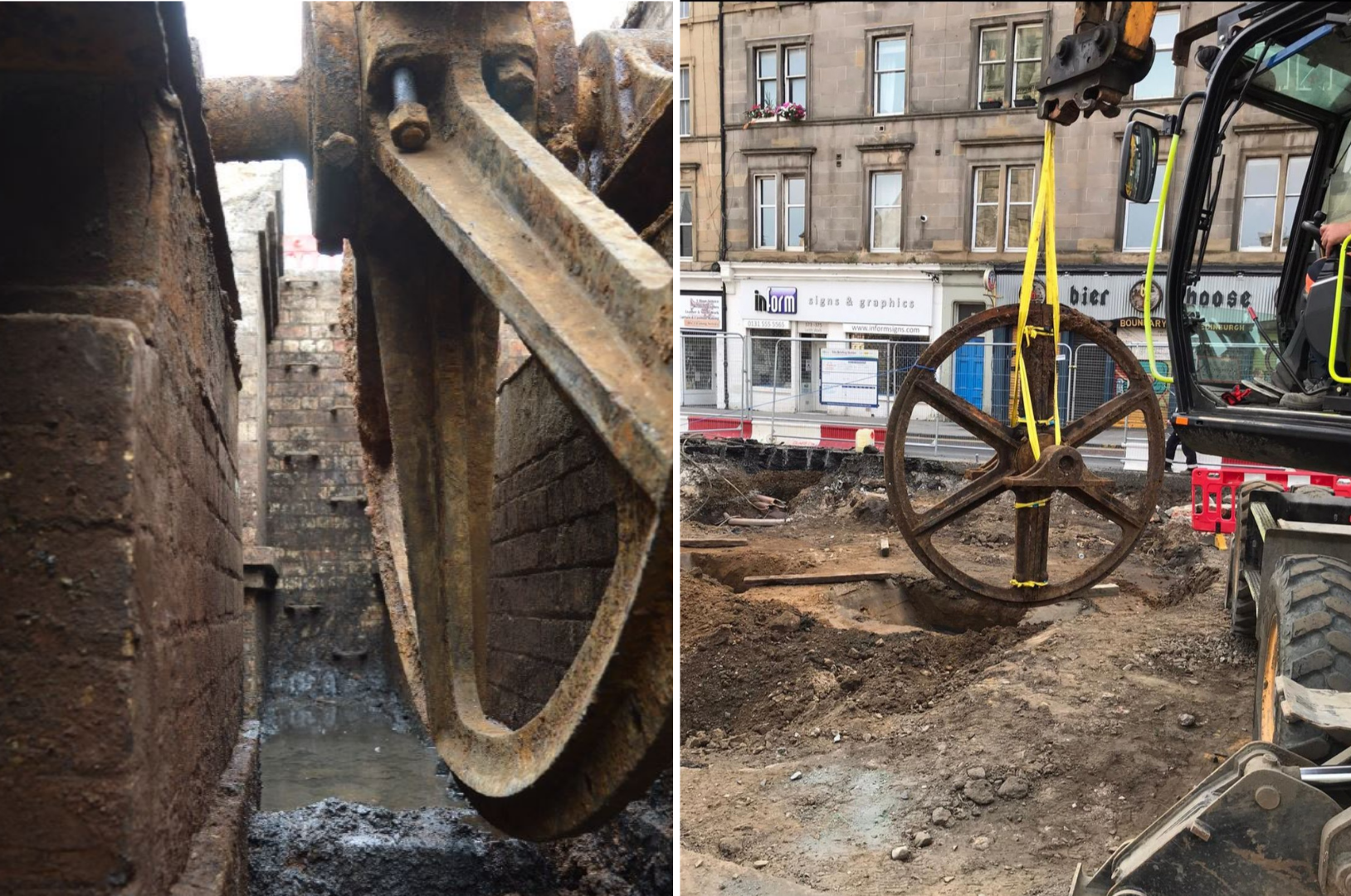
The mechanism being uncovered in Leith (Image credit: Trams to Newhaven project)
Inspired to get involved in 2022? Sign up to the Dig It! Digest to have stories and events delivered straight to your inbox once a month.
Header Image: Excavation at Rubha Port an t-Seilich (Image credit: Sarah Lambert-Gates)
