
Eilean Arainn (Isle of Arran) is packed with prehistoric sites. Their accessibility, however, ranges from ‘ok with stout shoes, a mac and midge repellent’ to ‘a detailed map, compass, ice picks and Mountain Rescue on speed dial’. This is a guide for the former.
Uncategorized
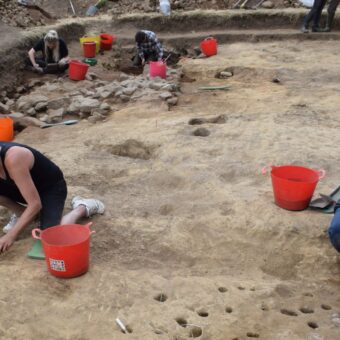
8,000 years of Deer and Aden: Aberdeenshire’s lost monastery and country park mysteries | Archaeological Research in Progress
Aberdeenshire’s history stretches back thousands of years and two archaeology projects – focusing on Leabhar Dhèir (the Book of Deer) and Aden Country Park – have been digging into this story for decades.
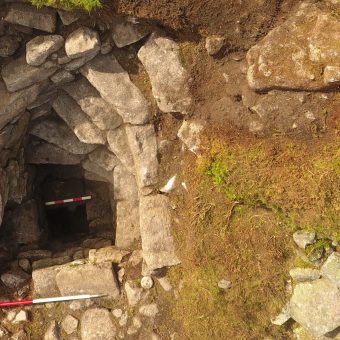
Finding a Pictish Power Centre: Bennachie’s Mither Tap | Archaeological Research in Progress
The Picts are a ‘lost people of Europe’ and continue to be a society of enduring public fascination.

A Portrait of Life and Death in Aberdeen: Excavations at Aberdeen Art Gallery | Archaeological Research in Progress
Excavations around Aberdeen in recent years have provided a wealth of fascinating discoveries and insights into its medieval heritage. [NOTE: Article contains images of human remains]
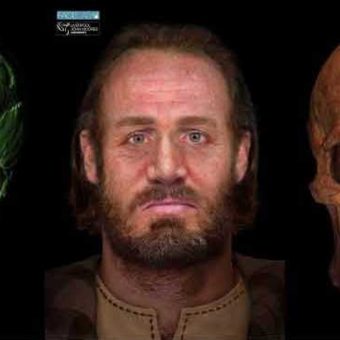
Ancestor or adversary? Understanding the six-headed medieval burials from St Colman’s Church in Portmahomack | Archaeological Research in Progress
When the Tarbat Discovery Programme excavated a Pictish settlement in Easter Ross, over 80 medieval burials were also recovered – including a “six-headed” grave which made headlines across the country. [NOTE: Article contains images of human remains]
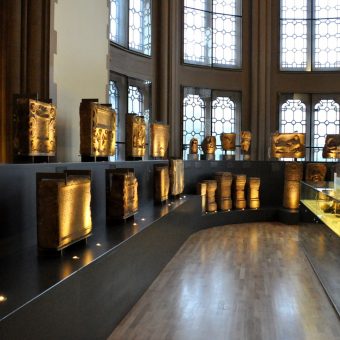
Eight of the Best Museums in Scotland for Discovering Archaeological Gems
Archaeological remains offer an insight into what life was like for people living in Scotland over thousands of years, and the country’s museums collect and display these objects to help tell this story.
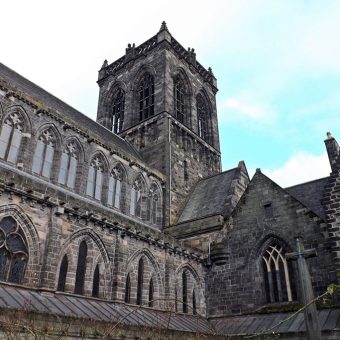
Revealing a ‘Secret’: Paisley Museum’s Archaeological Collection
Nestled in the heart of Paisley is one of Scotland’s best-kept archaeological secrets. ‘The Secret Collection’ opened in 2017 and is the UK’s first publicly-accessible museum store located in a town centre.
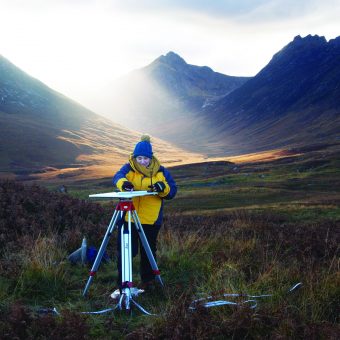
What is Landscape Surveying & Recording?
Archaeology doesn’t always start with digging. In fact, there is crucial work to be done before an archaeologist can even think about breaking ground. Survey is the first stage in establishing what is known and what gaps in knowledge exist about a site, a landscape or a building.
What is DNA Analysis?
The discovery of ancient stories does not stop when the digging is done and trenches are closed over, the work often continues in the lab. DNA analysis is one tool used to help add pieces to archaeological puzzles that are thousands of years old. [NOTE: Article contains images of human remains]
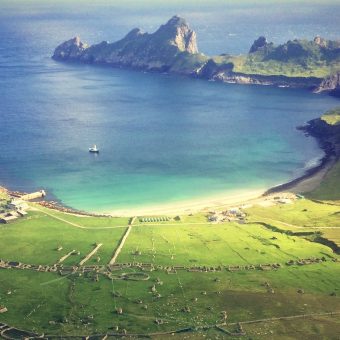
Maps, Mounts and Models from Scotland’s Six World Heritage Sites
Scotland has an impressive six UNESCO World Heritage Sites which represent unique (or the most significant or best) examples of the world’s cultural heritage and have a special importance for everyone, including those outside of Scotland and future generations.

Think Twice Before Excavating a Mound: Orkney Folklore and Excavations
The year was 1862. James Farrer’s “Notice of Runic Inscriptions Discovered During Recent Excavations in the Orkneys made by James Farrer, M.P.” had just been printed and bound, documenting the chance discovery of around 32 runic inscriptions inside the now well-known prehistoric chambered cairn Maeshowe in Stenness, Orkney.
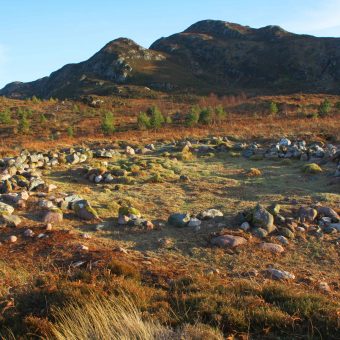
Archaeology Diaries: Roundhouses in Wester Ross
Archaeology is often discovered unexpectedly. That’s what happened when Jeremy Fenton moved to Gairloch ten years ago. In Gairloch Museum one day he noticed a map which showed six “roundhouses” in the area just behind his house. Over the next year he found five of these rough circles of stones buried nearby, hidden in vegetation.
