
Ask any archaeologist what the most common questions they get from the general public, and you’re likely to hear one about dinosaurs. Although both fields deal with very, very old bones, dinosaurs are more of the realm of palaeontology, not archaeology.
Uncategorized
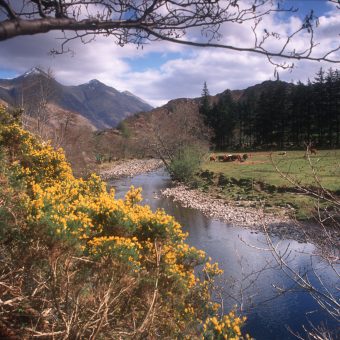
AN SPÀINN AGUS ALBA: ÀRC-EÒLAS AR-A-MACH SEUMASACH 1719 (GHÀIDHLIG)
B’ e ar-a-mach nan Seumasach ann an 1719 an t-aon ionnsaigh Seumasach a rinneadh le taic nan Spàinnteach. Ann an còmhragan roimhe, b’ iad na Frangaich a chuidich na h-Albannaich a bha dìleas do na rìghrean Stiùbhartach a bha air fògradh.
Spain and Scotland: The Archaeology of the 1719 Jacobite Rising (English)
The 1719 Rising was the only Jacobite activity conducted with Spanish support. In prior conflicts, it had been the French who assisted the Scots loyal to the exiled Stuart kings.
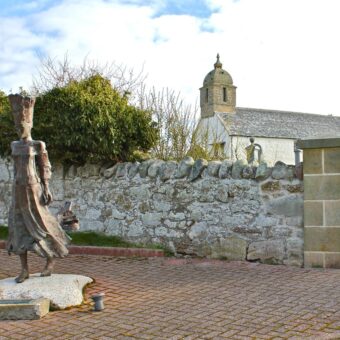
Bioarchaeology and Tales from Bones
Archaeological science and technology have come a long way in the past twenty years and powerful new analytical tools have allowed us to dig deeper into the lives of people from Scotland’s past. [NOTE: Article contains images and descriptions of human remains]
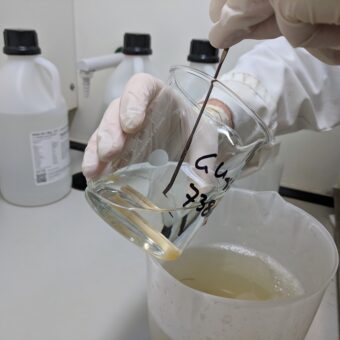
What is Radiocarbon Dating?
It’s a very exciting feeling when you unearth your first artefact, one which anybody who has uncovered a find will know well. You could be holding something – a bowl, a bead, or a brooch, perhaps – which has not been seen for hundreds, or even thousands of years.
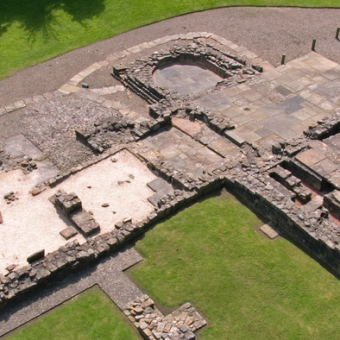
“A Long Love Affair” with Bearsden Roman Fort: the Story of an Excavation
In the summer of 1973, I began a long love affair with the Roman fort on the Antonine Wall at Bearsden when I undertook an exploratory excavation in advance of building work.
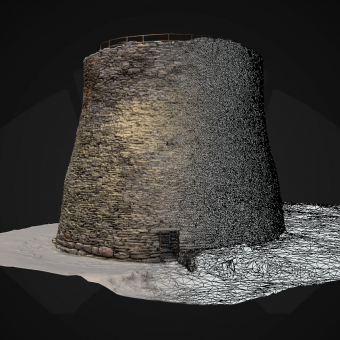
Top Seven Scottish Archaeology Models on Sketchfab
Take these 3D models for a spin to explore the best of Scottish history in 3D!
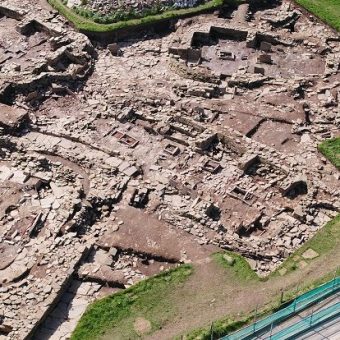
How to Support Scottish Archaeology the During COVID-19 Pandemic
Along with the rest of the heritage sector, the pandemic has had a hugely detrimental impact on Scottish archaeology. A large amount of fieldwork – particularly community-led events – has been postponed or cancelled so far, with many activities unlikely to take place this year.
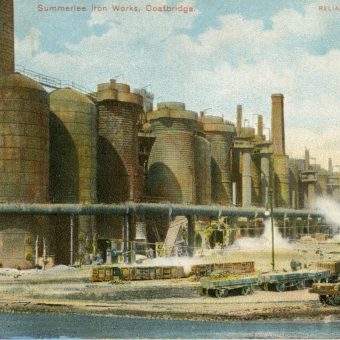
Industrial Archaeology: Unearthing Scotland’s ‘Iron Burgh’
Half-hidden in a natural amphitheatre right in the centre of Coatbridge lies one of the most significant places in modern Scottish history.
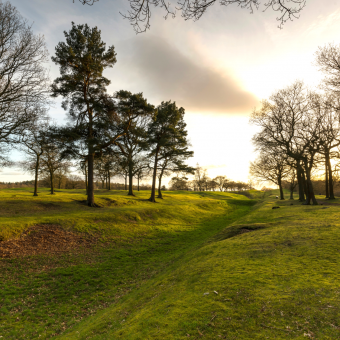
LiDAR and the Antonine Wall
Not all archaeology is done with a trowel and bucket, and digging a hole isn’t the only way we can learn about our past. A growing number of archaeological projects are undertaken using remote sensing techniques and some can even be done without leaving the house.
Learning from the Dead: Why do archaeologists excavate, move and analyse human remains?
Archaeologists can discover an amazing amount about the past from the remains of buildings, pottery and other artefacts of human life. But one of the best ways to learn about how people lived in the past is to analyse them directly. [NOTE: Article contains images and descriptions of human remains]
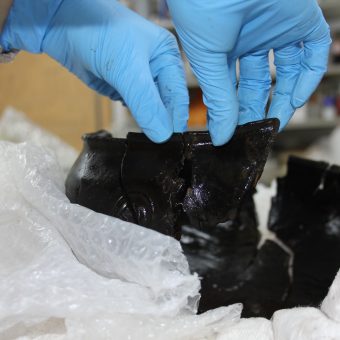
Archaeologists Reveal their Work Outside the Trenches as Scotland’s Summer Dig Season Goes Digital
Scotland’s dig season has gone digital this year with archaeologists and experts running online events and sharing the “before and after” side of excavations.
