
When farming arrived in Scotland between 5,000 and 6,000 years ago, the traditions of Mesolithic hunter gatherers gave way to grain cultivation, pottery making, rearing domesticated animals and the construction of stone circles, tombs and monuments: we call this the Neolithic revolution.
Uncategorized
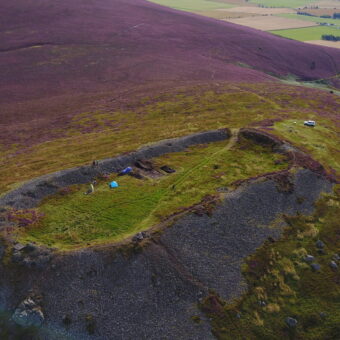
Scotland’s Most “Ground-Breaking” Archaeological Discoveries from 2020
A Pictish hillfort, 5,000-year-old textiles and hundreds of medieval skeletons are among the top finds
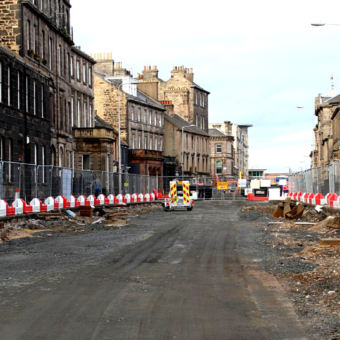
What Happened to Scottish Archaeology During the Pandemic?
Thanks to the excavation of a medieval graveyard in Leith, the Edinburgh Tram project has been one of the highest-profile digs in Scotland in 2020 – but what happened when COVID-19 brought everything to a halt? [NOTE: Article contains videos with images of human remains]
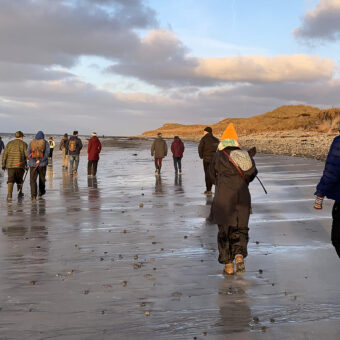
Shell Beads, Glass Bangles and Hogback Stones: 10 Highlights from the Scottish Archaeological Research Framework
Scotland boasts over 12,000 years of human history and much of what we know about the people comes from the remains they left behind. But how to get to grips with twelve millennia of archaeology? The Scottish Archaeological Research Framework (ScARF) is here to help.
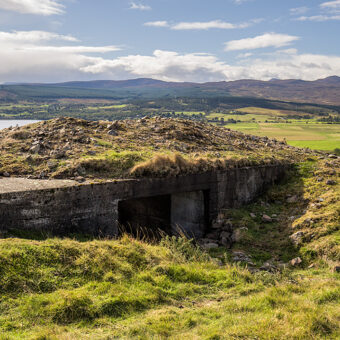
‘Tales of great war and strong hearts wrung’: Your Guide to World War Archaeology on Scottish soil
Scotland probably isn’t at the top of the list when it comes to thinking about countries related to either world war of the 20th century. One could be forgiven this as the sites of notoriety, such as Flanders, Stalingrad, and Auschwitz are quite removed from the shores of Scotland.
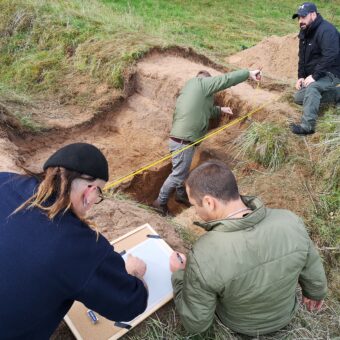
Breaking New Ground: Archaeology and Mental Health
Archaeology isn’t just about digging up stories from the past, it can also help shape our present and future. The opportunities to socialise, learn new skills and spend time outdoors when getting involved in archaeology can positively impact our health and wellbeing, especially for those who have mental health conditions like anxiety or PTSD.
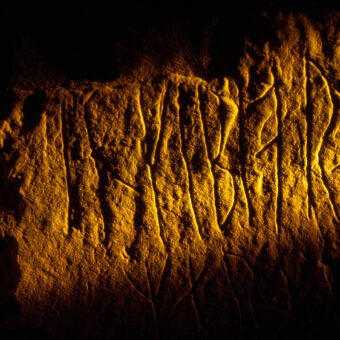
Tombs, Battlements, Bark and Underpasses: Your Guide to the Archaeology of Graffiti in Scotland
‘Graffiti is like a mirror, we should be able to look at it and see our hopes, desires and fears reflected in it.’ – Anonymous, 2020

Sites to See on a Weekend on An t-Eilean Muileach (Mull) and Ì Chaluim Chille (Iona)
Off the west coast of Scotland lie An t-Eilean Muileach (the Isle of Mull) and Ì Chaluim Chille (the Isle of Iona). It’s thought that the islands have been occupied for at least 10,000 years and, if you know where to look, you can still find the remains of the past residents

Princes and Prehistory on Eilean Bhòid (Bute)
Anyone arriving at the main ferry terminal in Baile Bhòid (Rothesay) can’t help but notice the seaside-retro grandness of this small island town. 150 years ago water was the motorway, and the unique streetscape reflects the island response to the vast numbers of tourists who crammed onto paddle steamers to come ‘doon the watter’
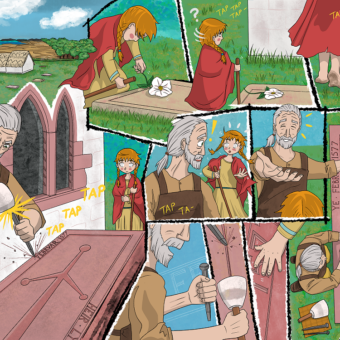
Archaeological Discoveries from Scotland’s 2020 Summer Dig Season Reimagined
A medieval gravestone, servants’ accommodation and a “magnificent” moat have been uncovered and brought to life by three digital artists
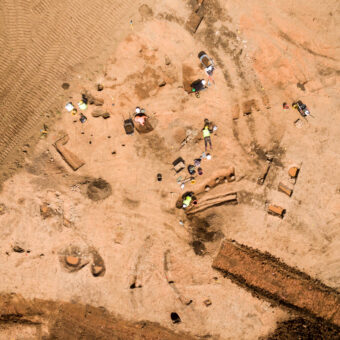
Laying the Foundations of Discovery: What is Developer-led Archaeology?
90% of all known archaeological sites in Scotland have no protection other than what their local authority archaeologists can do for them – and that doesn’t even take into account all the sites that we don’t know about yet, the ones waiting to be discovered. [NOTE: Article contains images and descriptions of human remains]
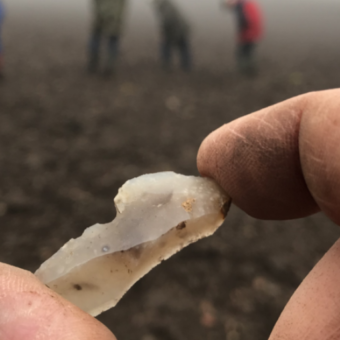
Finding the Stone Age in Scotland: Your Guide to the Fun World of Fieldwalking
The main archaeological evidence for the people who lived in Scotland in earlier prehistory (Palaeolithic – Neolithic, roughly 14,000 to 4,500 years ago) is made up of stone tools (hence: the Stone Age).
