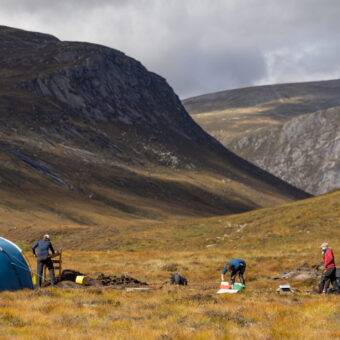
Only a small number of prehistoric hunter-gatherer sites in the Scottish mountains have been excavated so far, but they show us the diversity of ways that these people lived in these landscapes over 6,000 years ago.
Uncategorized
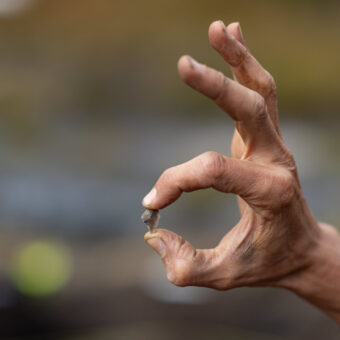
What Happens When a Mesolithic Site is Found in the Scottish Mountains?
Most of the archaeological evidence we have of prehistoric hunter-gatherers who occupied Scottish mountains over 6,000 years ago is first identified as a few stone tools, eroding from a footpath or watercourse.
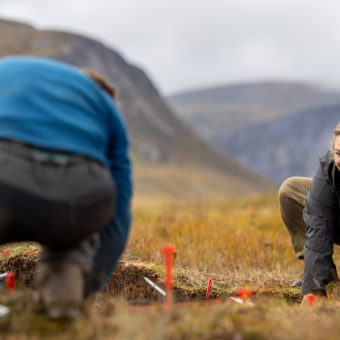
From Stone Tools to Tartan: Archaeology Covering 6,000 Years of Scotland’s Past Attracts Thousands This Summer
Our Scotland Digs 2023: Free Days Out campaign showcased the country’s world-class archaeology and more than 20 free events from Shetland to Dumfries & Galloway.
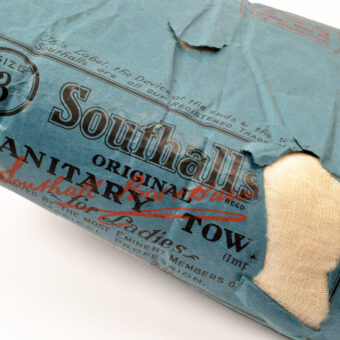
It’s a bloody shame! Archaeological evidence of menstruation in the past
While menstruation is part of life for approximately 26% of the world’s adult population, with roughly 800 million people menstruating every day, it’s rarely considered within archaeological studies.

How Hard is it to See Neolithic Scotland by Bike?
Some of the most exciting Neolithic sites in Scotland are in some of the most beautiful places – think Eilean Leòdhais (Lewis) in Na h-Eileanan Siar (the Outer Hebrides), Orkney, Argyll and Eilean Arainn (Arran) off the west coast of Scotland.
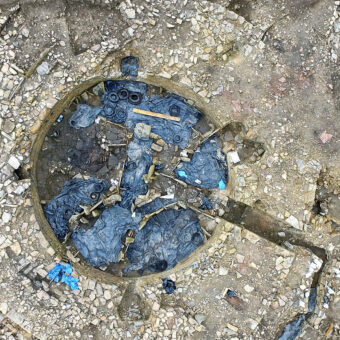
Archaeologists to Investigate a Prehistoric Settlement, Multi-Period Castle Site, and Iron Age Fort in Scotland this Summer
The Scotland Digs 2023: Free Days Out campaign is celebrating the country’s world-class archaeology and highlighting budget-friendly activities for the public.
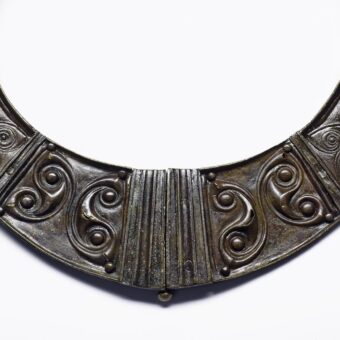
Who were the Celts?
Sometimes artefacts discovered in Scotland are identified as ‘Celtic’ and groups of people from Scotland’s past are referred to as ‘Celtic tribes’. Is this accurate? What does it mean? And who are these people?
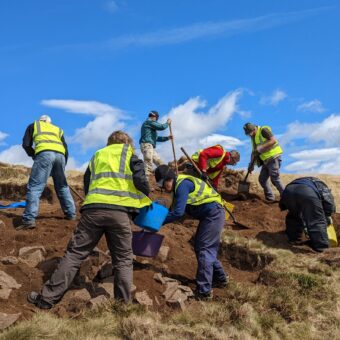
Why should I volunteer at an archaeological dig in Scotland?
“There’s nothing quite like unearthing something that you know hasn’t been seen in 1,500 years” – Anne Campbell, Falkland Stewardship Trust Archaeology Ambassador
Three More Years of Dig It!
We have some good news! But first, it’s time for a trip down memory lane.
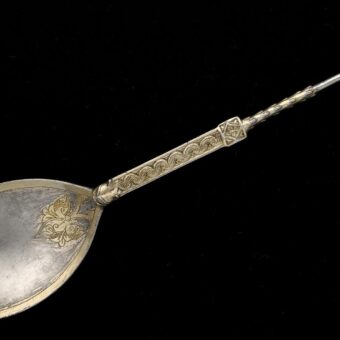
What can small archaeological finds reveal about individuals from Scotland’s past?
Archaeologists don’t dig for treasure, but they do get excited about recovering artefacts which can help them construct a story about the place they’re excavating, and the people who once lived there.
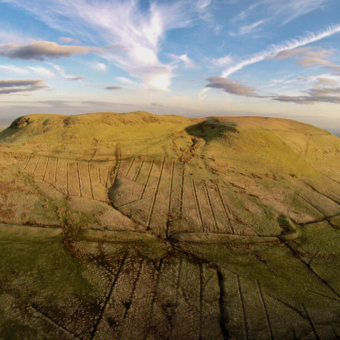
Beyond Walls: Exploring Roman and Iron Age Encounters in Northern Britain through Archaeology
Over 1,900 years ago, the outermost edge of the Roman Empire was a place of complex relationships between occupying forces and local communities. Interactions in places like northern Britain ranged from trade, exchange and collaboration to open conflict and resistance.
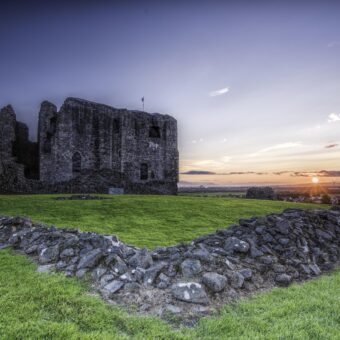
Four of the Best Archaeological Sites and Discoveries from Medieval Scotland
The medieval period covers a lot of ground, including the appearance of Pictish “kingdoms”, Romans leaving Britain, the first Viking raids, Christianity becoming fully established in most of Scotland, the development of “towns”, increased trade with what is now mainland Europe and more.
