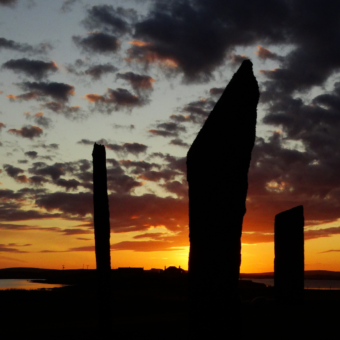
People have been living on the land that is now called Scotland for over 14,000 years and many left behind sites, artefacts and monuments which can reveal more about their story. Today, many of these are legally protected, but that hasn’t always been the case.
Uncategorized
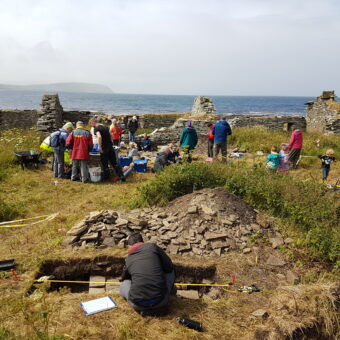
Investigate Ancient Rock Art, a Medieval Friary, an “Industrial Ghost Town” and More This Summer as Part of Scotland Digs 2022
The Scotland Digs 2022 campaign is celebrating the country’s world-class archaeology this summer from Shetland to Dumfries & Galloway.
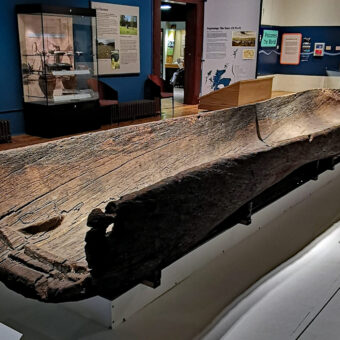
Recording, conservation and display: Episodes in the continuing life of a 3,000-year-old logboat from the River Tay
Ever wondered what happens to an artefact once it’s been discovered? Just like before it became buried, each find goes on its own journey once it’s above ground, and there can be numerous different outcomes for material remains from the past.

Outstanding Lesser-known Archaeological Sites in Orkney
You’re probably familiar with some of the titans of Orkney’s archaeological landscape such as the Ring of Brodgar and Skara Brae, but what about the less famous gems?

Facing our Past with Facial Reconstruction
You’ve probably seen facial reconstructions using human remains in museums or news stories – but how are they created and why?
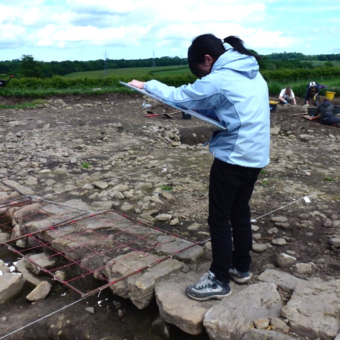
Drawing on the past: why do we need illustrations in archaeology?
When we excavate archaeology, what we’re doing is a one-off event – we’re taking things out of the ground where they’ve sat for a very long time to better understand how finds and features all came to be there, how they were used and why they were deposited by people in the past.
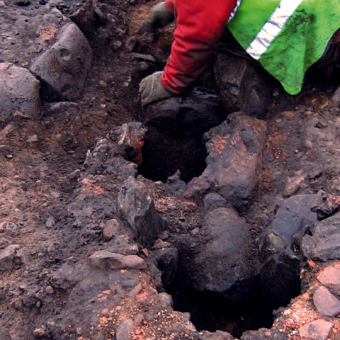
Craftworking in Iron Age Scotland: Four Highlights from Culduthel
In 2005, an exceptional discovery was made by archaeologists in a field on the outskirts of Inverness.

Top 10 Archaeological Finds from Scotland’s Peat Bogs
From a 3,000-year-old hat to precious offerings to the gods, dig into our top archaeological finds from peat in Scotland.
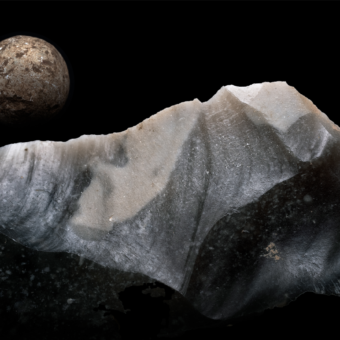
12 More Months of Dig It!
Since 2019, Dig It! has been part of real and virtual excavations, organised three national campaigns, commissioned creatives, helped crowdfund a tabletop roleplaying game, and more.
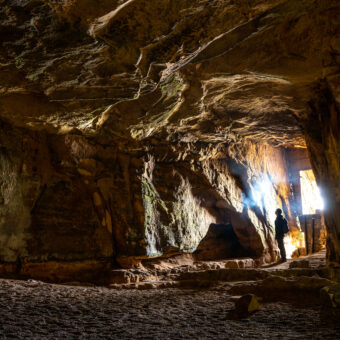
Death and Ritual in Prehistoric Scotland: Exploring the Archaeology of Moray’s Sea Caves
In an enigmatic sea cave in north-east Scotland, the remains of mummified bodies and rare artefacts reveal Moray’s ancient burial practices.

Prehistoric Figurine, Viking Boat Burial and Rare Township Brought to Life Through Flash Fiction
Sites and artefacts from across the country have inspired the three winning short stories as part of Dig It!’s competition celebrating Scotland’s Year of Stories 2022.
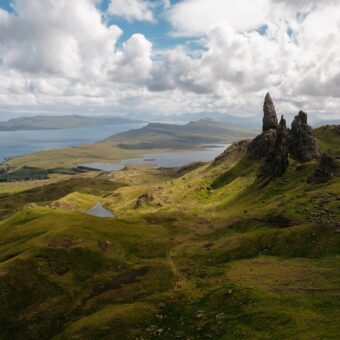
Archaeology in the Scottish Highlands: Six of the Most Spectacular Sites and Discoveries
Stretching from Speyside in the south to the northernmost mainland town of Inbhir Theòrsa (Thurso) and over to the western tip of An t-Eilean Sgitheanach (the Isle of Skye), the Scottish Highland region is almost the size of Belgium – which means there are a lot of stories to be uncovered.
