Want to volunteer or visit an excavation in 2026? We’re rounding up the best free (or low-cost) archaeology opportunities from across the country
Discover
more
Destination Archaeology
Travel back into Scotland's past with our guides to unmissable sites and discoveries by region
MoreDecoding Archaeology
Get to grips with the science and techniques behind Scotland’s archaeological stories
More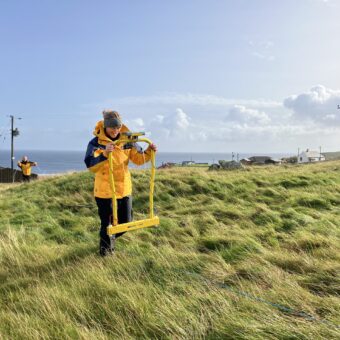
What is Geophysical Survey?
Were you fascinated by x-ray glasses as a child? It’s a regular superhero thing – to be able to look through walls, seeing in a different way to everyone else. Geophysical survey is a little bit like that
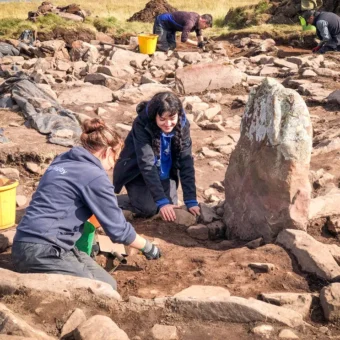
Archaeologists and Volunteers Set Out to Answer Mysteries of Scotland’s Past This Summer
As the summer fieldwork season gets into full swing, the public are invited to visit the sites and participate in investigations
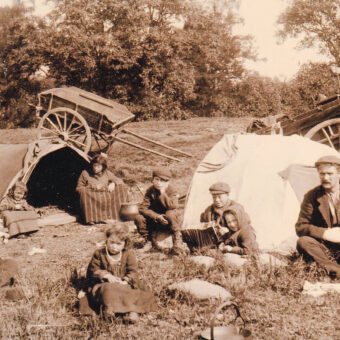
Archaeological Discoveries Made by Gypsy/Travellers in Scotland
The links between archaeology and one of Scotland’s most marginalised communities – Gypsy/Travellers – might not be immediately obvious.
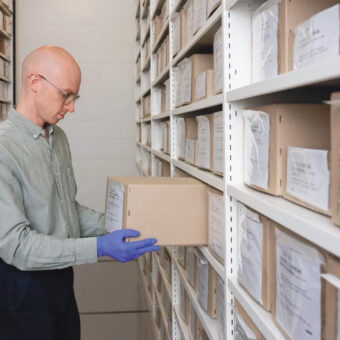
Why Do Museums in Scotland Store Human Remains?
Human remains from the past are discovered frequently in Scotland
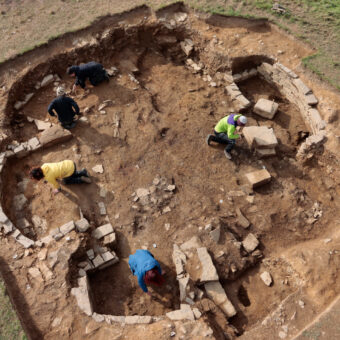
What Happens When Human Remains Are Found in Scotland?
With over 12,000 years of human history beneath our feet, the remains of people who lived in Scotland before us are found frequently, and often in unexpected places.
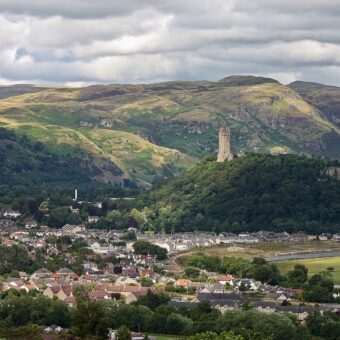
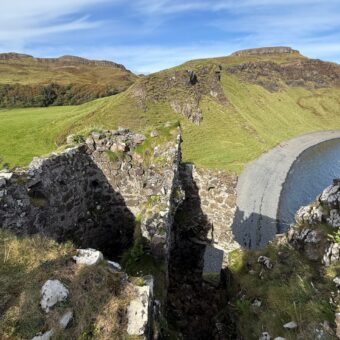
Top Six Archaeological Sites on Scottish Islands to Photograph
The sheer breadth and wealth of archaeology on Scotland’s islands is incredible, with evidence from every period of human interaction represented on our islands.
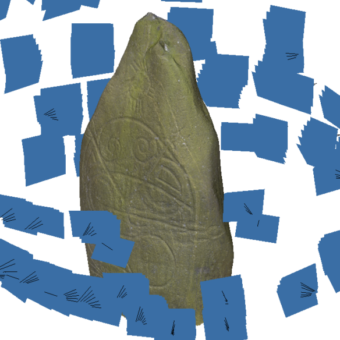
What is Photogrammetry and What Has It Uncovered in Scotland?
Photogrammetry is a digital imaging method that’s increasingly used in cultural heritage and archaeology
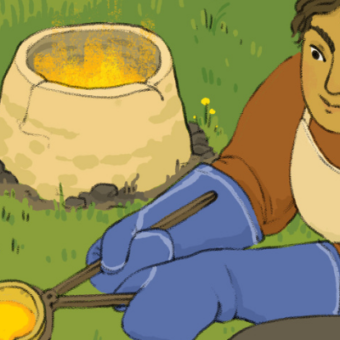
What Is Archaeology?
Archaeology is the study of people from the past, trying to understand who they were and how they lived through the evidence they left behind.
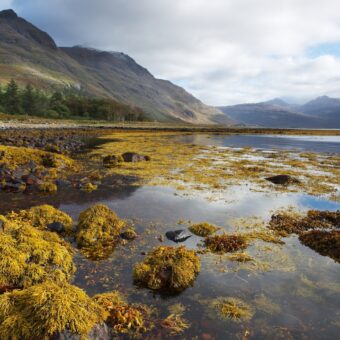
The Archaeology of Scotland’s Natural Larder: Seaweed
You probably already know about some of Scotland’s most famous dishes, such as haggis, neeps and tatties, but did you know that seaweed was once a popular traditional food too?
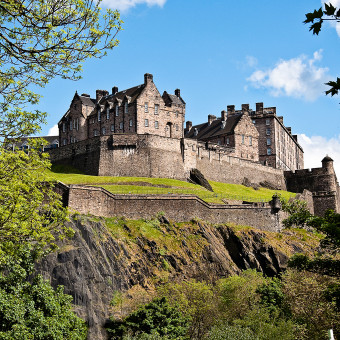
Archaeology at Edinburgh Castle: Our Greatest and Least Understood Royal Fortress
Attracting almost two million visitors a year, Edinburgh Castle is one of the oldest fortified places in Europe.
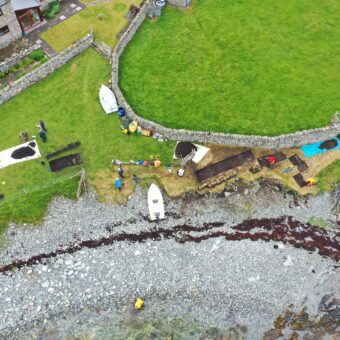
Five of Scotland’s Most Amazing Archaeological Discoveries of 2025
Traces of Neolithic feasting, evidence of a possible Roman siege, and an amulet once thought to be imbued with supernatural power are among the most ground-breaking finds.
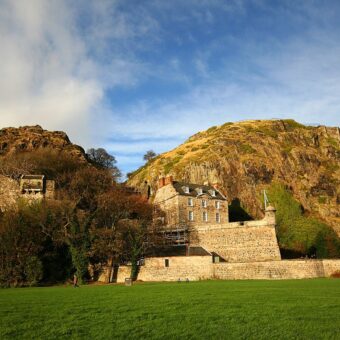
Top Five Archaeological Sites and Discoveries in East and West Dunbartonshire
These areas were once home to prehistoric water dwellings, an early historic kingdom’s capital, and Scotland’s largest glass factory.
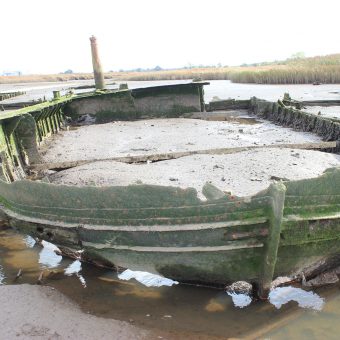
Five of Renfrewshire’s Best Archaeological Sites and Discoveries
Travel from the Neolithic to the 19th century in Renfrewshire, ‘the birthplace of kings, earls, generals and world-building architects’.
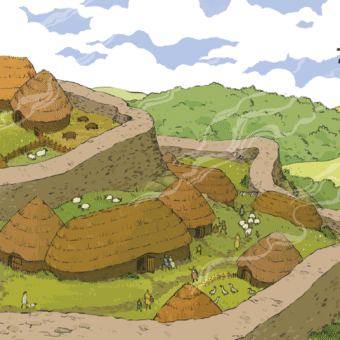
Archaeologists and Game Designers Collaborate to Create “Basically the Best Book on the Picts Ever Written”
Carved in Stone: A Storyteller’s Guide to the Picts
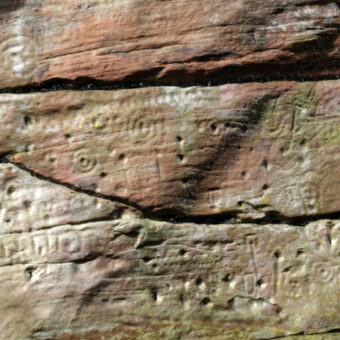
Top Six Archaeological Sites and Discoveries in Ayrshire
Perhaps best known as the birthplace of Scottish poet Robert Burns, the histories of people living in North, East and South Ayrshire go back thousands of years.
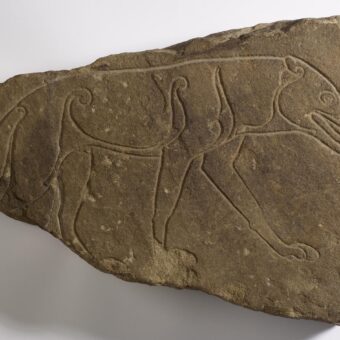
The Archaeology of Extinct Animals in Scotland
Although extinctions may be natural, many animals have disappeared from Scotland due to hunting and human-related changes

The Archaeology of Scotland’s Natural Larder: Red Deer
Animal bones hold a wealth of information that can tell us about the past
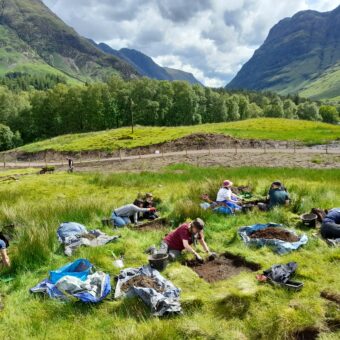
Prehistoric Rock Art, a Medieval Abbey and Scotland’s Earliest Railway: Scotland’s Summer Archaeology Opportunities Revealed
The Scotland Digs 2025: Meeting People campaign is highlighting summer archaeology opportunities
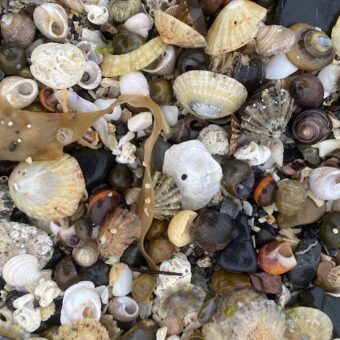
The Archaeology of Scotland’s Natural Larder: Shellfish
Shells appear in their hundreds and thousands on archaeological sites in Scotland and are a very rich source of information.
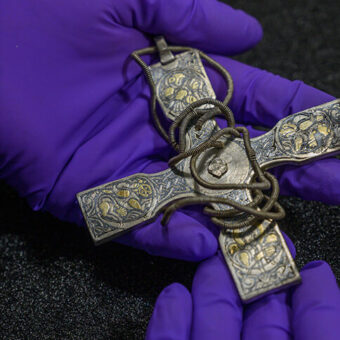
Who were the Angles and Saxons (‘Anglo-Saxons’)?
Artefacts found in Scotland are sometimes described as ‘Anglo-Saxon‘ or ‘Anglian‘, but what does that mean?
Never Miss Out
