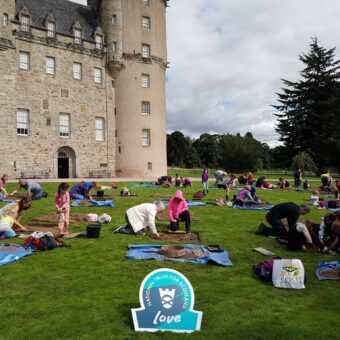
2021 marks the 90th anniversary of the National Trust for Scotland and close to 30 years of having an in-house archaeology team.
Discover
more
Destination Archaeology
Travel back into Scotland's past with our guides to unmissable sites and discoveries by region
MoreDecoding Archaeology
Get to grips with the science and techniques behind Scotland’s archaeological stories
More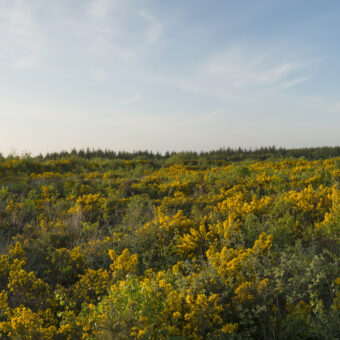
FO BH-UAIGH: ÀRC-EÒLAS NAN TÌODHLACAIDHEAN AIR RAOINTEAN-BLÀIR NA H-ALBA (GHÀIDHLIG)
Mar àrc-eòlaich nan raointean-blàir, thèid faighneachd orm gu tric carson nach lorg sinn barrachd thìodhlacaidhean air raointean-blàr? Leughaidh sinn mu na ceudan no fiù ’s na mìltean a’ faighinn bàs air an raon-bhlàir ach a dh’aindeoin sin, chan eil e coltach gu bheil mòran fianais àrc-eòlach againn.
Of Grave Concern: The Archaeology of Burials on Scotland’s Battlefields (English)
A question I am often asked as a battlefield archaeologist is, why do we not find more burials on battlefields? We read about hundreds, if not thousands, of people being killed on the battlefield and yet in Scotland we don’t seem to have much in the way of archaeological evidence.
A Load of Old Rubbish? What Middens Can Reveal About Scotland’s Past
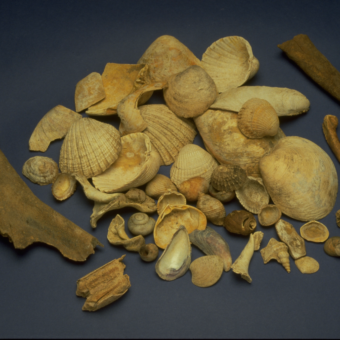
What can rubbish tell us about the history of Scotland? Actually, rather a lot! Middens contain material remains from many years ago and can reveal information about the people who lived in Scotland over the last 10,000 years.
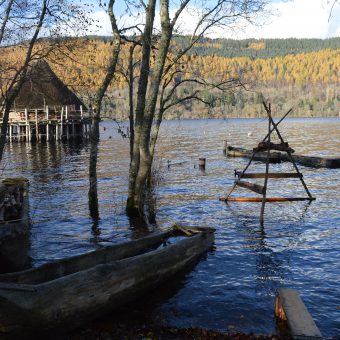
NA PRÌOMH 10 RUDAN INNTINNEACH A CHAIDH A LORG ANN AN UISGEACHAN NA H-ALBA (GHÀIDHLIG)
Tha costaichean agus uisgeachan na h-Alba air buaidh mhòr a thoirt an eachdraidh againn: bho iasgach agus obair-aodaich gu uisge-beatha agus cumhachd nan tonn; tha iad uile air a bhith nam pàirtean cudromach den chultar, de na sgeulachdan agus den dòigh-beatha againn.
Top 10 Artefacts Found in Scottish Waters (English)
Scotland’s coasts and waters have shaped our history: from fishing and textiles to whisky and wave power; they have influenced our culture, our stories, and our way of life.

Sword-wielding Women and Scottish Archaeology
Who gets to be a warrior? And why can’t that warrior be a woman? The image of the warrior woman still fascinates us – but we sometimes have trouble believing she could be more than a rare exception to the rule in a battlefield full of men.
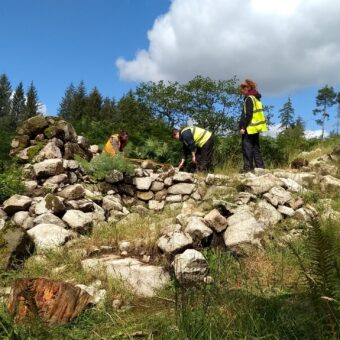
Centuries-Old Steading in Dumfries & Galloway Inspires at Scotland’s International Poetry Festival
Remains of rural life from a remote ‘Raiders Road’ farmhouse affected by the Lowland Clearances have been brought to life in a new poem for StAnza, Scotland’s Poetry Festival.
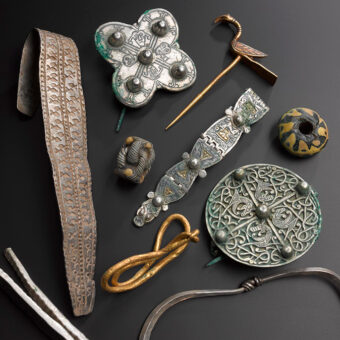
Top Six Archaeological Hoards in Scotland
A hoard is a deposit of multiple artefacts often made up of valuable items such as coins, precious metals and jewellery, which has been deliberately stowed away – and they’re the closest thing to “buried treasure” that we’ll ever find in Scotland.
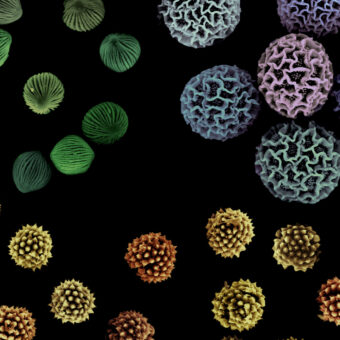
Treasures in the Dirt: Why Archaeology is About More than Precious Metals
Who doesn’t love reading about newly-discovered ancient treasures – dazzling gold or silver, perhaps studded with precious gems? These headline-grabbing objects instantly spark the imagination and conjure up images of ancient royalty bedecked in finery.

A’ CUR DREACH CUÈIR AIR ÀRC-EÒLAS: NA LOCHLANNAICH ANN AN ALBA (GHÀIDHLIG)
A-mach às na sluaghan eachdraidheil uile, is dòcha gur iad na Lochlannaich a tha gan cleachdadh mar an eisimpleir as fheàrr de ‘dh’fhir fìor fhearail’.
Queering Archaeology: Vikings in Scotland (English)
Of all historical groupings of people, the Vikings are perhaps the most celebrated as a prime example of ‘real men’.
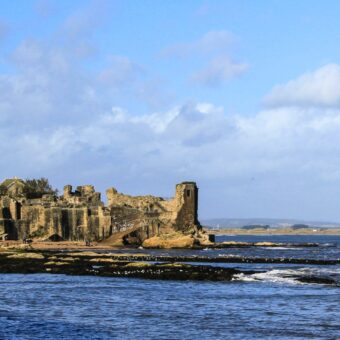
Cannonballs and Counter-mines: The Archaeology of Scottish Sieges
Stand your ground as you dig into sieges throughout Scottish history and explore the evidence that was left behind.
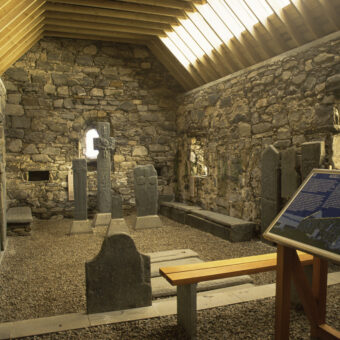
The Best of Scottish Archaeology on Canmore
Behind every photograph or drawing in the Historic Environment Scotland (HES) Archive there is a story, an excitement, an experience, a discovery, a memory, a voice.
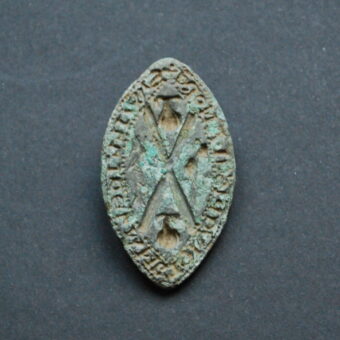
What Can Artefacts Tell Us About the Past?
As a medieval archaeologist I have always been fascinated by objects which tell a story, artefacts which can be interrogated and analysed to show how or by whom they were used.
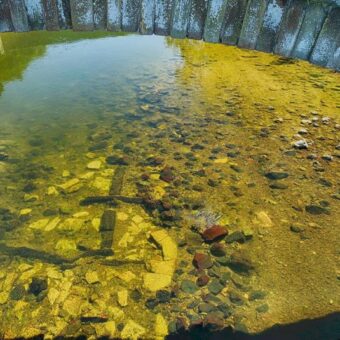
Scotland’s Top Archaeological Discoveries of 2020: Coasts and Waters Edition
From lost waterways to underwater bridges, dive into some of the year’s most amazing archaeological stories.
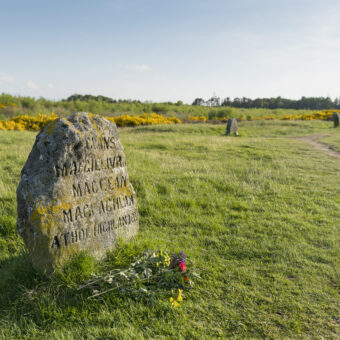
The Archaeology of the Battle of Culloden (English)
On 16 April 1746, the Duke of Cumberland’s government troops and Jacobite armies met at Blàr Chùil Lodair (The Battle of Culloden), following the Jacobite rising of 1745. The Jacobites were decisively defeated near Inbhir Nis (Inverness) in the Scottish Highlands.
Arc-eòlas Blàr Chùil Lodair (GHÀIDHLIG)
Air 16 Giblean 1746, choinnich feachdan an riaghaltais fo Dhiùc Cumberland agus na feachdan Seumasach aig Blàr Chùil Lodair, às dèidh ar-a-mach nan Seumasach ann an 1745. Chaidh droinneadh a dhèanamh air na Seumasaich aig a’ bhlàr seo faisg air Inbhir Nis air a’ Ghàidhealtachd.

Experimental Archaeology, Barley, Malt and Ale in Prehistoric Scotland
When farming arrived in Scotland between 5,000 and 6,000 years ago, the traditions of Mesolithic hunter gatherers gave way to grain cultivation, pottery making, rearing domesticated animals and the construction of stone circles, tombs and monuments: we call this the Neolithic revolution.
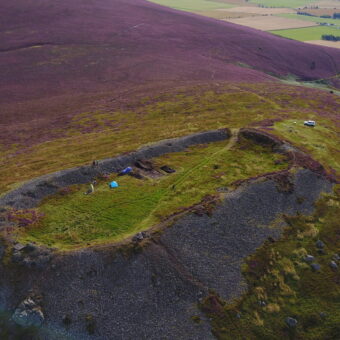
Scotland’s Most “Ground-Breaking” Archaeological Discoveries from 2020
A Pictish hillfort, 5,000-year-old textiles and hundreds of medieval skeletons are among the top finds
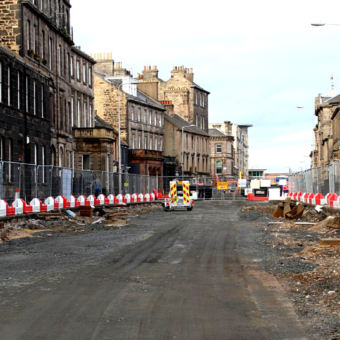
What Happened to Scottish Archaeology During the Pandemic?
Thanks to the excavation of a medieval graveyard in Leith, the Edinburgh Tram project has been one of the highest-profile digs in Scotland in 2020 – but what happened when COVID-19 brought everything to a halt? [NOTE: Article contains videos with images of human remains]
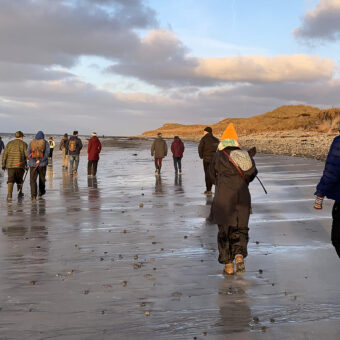
Shell Beads, Glass Bangles and Hogback Stones: 10 Highlights from the Scottish Archaeological Research Framework
Scotland boasts over 12,000 years of human history and much of what we know about the people comes from the remains they left behind. But how to get to grips with twelve millennia of archaeology? The Scottish Archaeological Research Framework (ScARF) is here to help.
Never Miss Out
