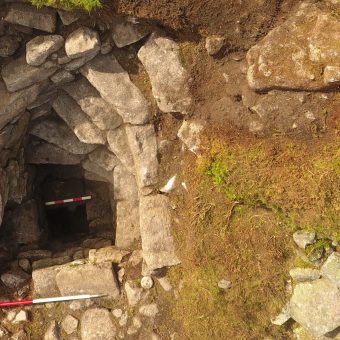
The Picts are a ‘lost people of Europe’ and continue to be a society of enduring public fascination.
Discover
more
Destination Archaeology
Travel back into Scotland's past with our guides to unmissable sites and discoveries by region
MoreDecoding Archaeology
Get to grips with the science and techniques behind Scotland’s archaeological stories
More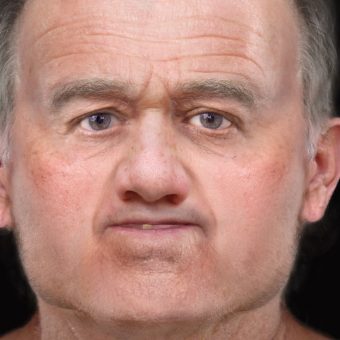
A Portrait of Life and Death in Aberdeen: Excavations at Aberdeen Art Gallery | Archaeological Research in Progress
Excavations around Aberdeen in recent years have provided a wealth of fascinating discoveries and insights into its medieval heritage. [NOTE: Article contains images of human remains]
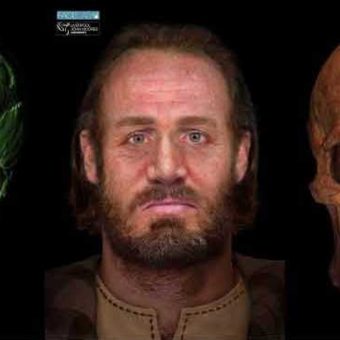
Ancestor or adversary? Understanding the six-headed medieval burials from St Colman’s Church in Portmahomack | Archaeological Research in Progress
When the Tarbat Discovery Programme excavated a Pictish settlement in Easter Ross, over 80 medieval burials were also recovered – including a “six-headed” grave which made headlines across the country. [NOTE: Article contains images of human remains]
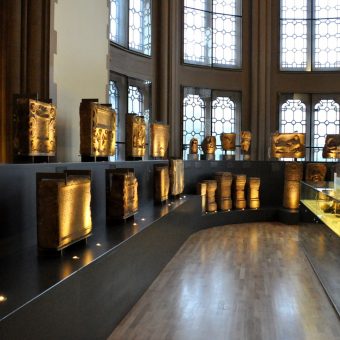
Eight of the Best Museums in Scotland for Discovering Archaeological Gems
Archaeological remains offer an insight into what life was like for people living in Scotland over thousands of years, and the country’s museums collect and display these objects to help tell this story.
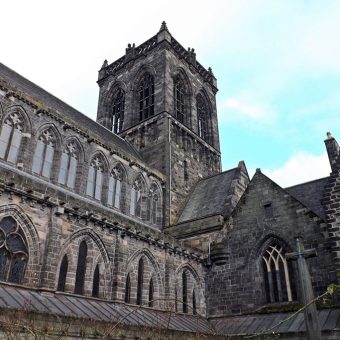
Revealing a ‘Secret’: Paisley Museum’s Archaeological Collection
Nestled in the heart of Paisley is one of Scotland’s best-kept archaeological secrets. ‘The Secret Collection’ opened in 2017 and is the UK’s first publicly-accessible museum store located in a town centre.
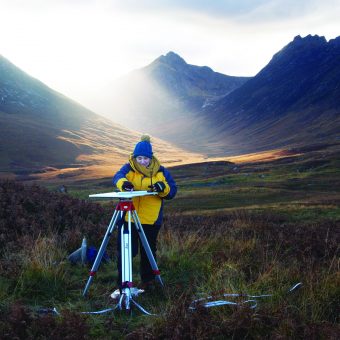
What is Landscape Surveying & Recording?
Archaeology doesn’t always start with digging. In fact, there is crucial work to be done before an archaeologist can even think about breaking ground. Survey is the first stage in establishing what is known and what gaps in knowledge exist about a site, a landscape or a building.
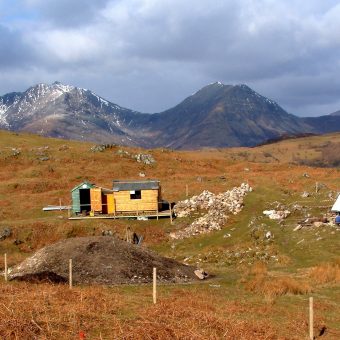
What is DNA Analysis?
The discovery of ancient stories does not stop when the digging is done and trenches are closed over, the work often continues in the lab. DNA analysis is one tool used to help add pieces to archaeological puzzles that are thousands of years old. [NOTE: Article contains images of human remains]
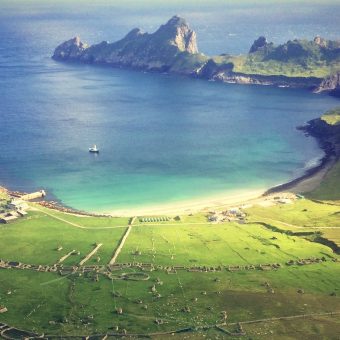
Maps, Mounts and Models from Scotland’s Six World Heritage Sites
Scotland has an impressive six UNESCO World Heritage Sites which represent unique (or the most significant or best) examples of the world’s cultural heritage and have a special importance for everyone, including those outside of Scotland and future generations.

Think Twice Before Excavating a Mound: Orkney Folklore and Excavations
The year was 1862. James Farrer’s “Notice of Runic Inscriptions Discovered During Recent Excavations in the Orkneys made by James Farrer, M.P.” had just been printed and bound, documenting the chance discovery of around 32 runic inscriptions inside the now well-known prehistoric chambered cairn Maeshowe in Stenness, Orkney.
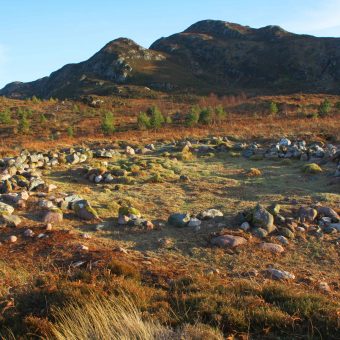
Archaeology Diaries: Roundhouses in Wester Ross
Archaeology is often discovered unexpectedly. That’s what happened when Jeremy Fenton moved to Gairloch ten years ago. In Gairloch Museum one day he noticed a map which showed six “roundhouses” in the area just behind his house. Over the next year he found five of these rough circles of stones buried nearby, hidden in vegetation.
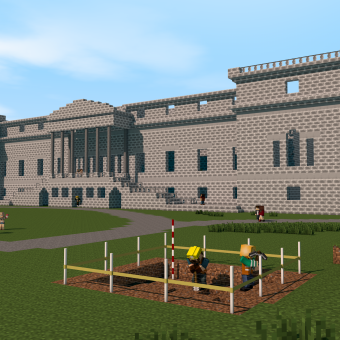
Digital Digging: How to Explore Scottish Archaeology Online
You don’t have to be on a dig site to discover Scotland’s stories. In addition to Dig It’s own digital resources (Crafting the Past – pictured above), there are lots of free tools that you can access with just a computer and an internet connection.
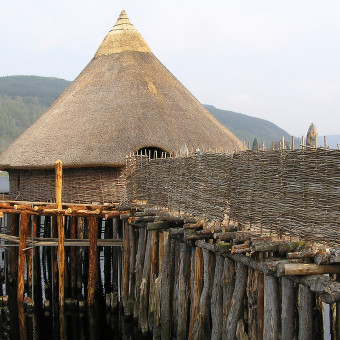
Introducing Scotland’s Crannogs
Scotland is defined by water – flowing through landscapes carved by ice, crashing onto island shores or falling from the sky. This is true now, and has been true for the entirety of time people have been around to experience Scotland.

Textiles and timbers: the archaeology of recycling in Scotland
Now more than ever, we are constantly being reminded of the importance of reusing products where we can and recycling as much as possible – but this isn’t a new concept. People in Scotland have been practising recycling for centuries.
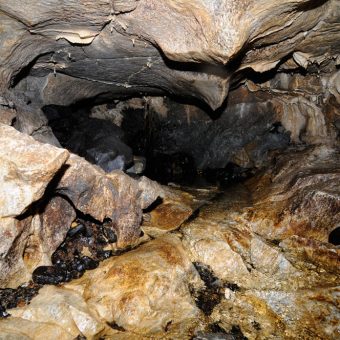
Footsteps in the Dark: Your Guide to Caves and Cave Use in Scotland
Caves have always fascinated humankind and present one of the most enduring natural features in the wider landscapes of Scotland. [NOTE: Article contains images of human remains]

Discovering Tiriodh (Tiree), the Land Below the Waves
The island of Tiriodh (Tiree) has been inhabited for thousands of years, but nineteenth-century land clearances and the ever-changing sand blow has meant that in the past, archaeological finds have been elusive.
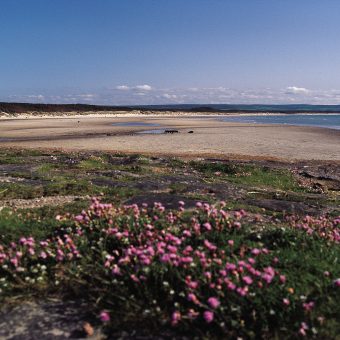
Burgheid, the Pechts and the Battle o Dun Nechtain (Scots)
Bannockburn, Eat Yer Hert Oot Awmaist awbodie kens the importance o the Battle o Bannockburn in Scotland’s history, whan Bruce’s men sent a muckle English airmy hame tae think again agin aw odds in 1314. Sangs, scrievins and fowk tales by the hunner circulate anent the victory.

Shetland’s Unique Sites Hiding in Plain Sight
When we think of Shetland, we’re often drawn to the wildness, the wool or the ponies. But these islands are also home to some of the most finely preserved sites in the UK spanning around 6,000 years of human activity; some of which are on the beaten track and some which require a more adventurous…
Burghead, the Picts and the Battle of Dun Nechtain (English)
Bannockburn, Eat Your Heart Out Almost everyone knows the importance of the Battle of Bannockburn in Scotland’s history, when Bruce’s men sent a huge English army home to think again against all odds in 1314. Songs, writings and folk tales by the hundred circulate about the victory.
Did Vikings Get Sick? Disease in the Viking World
Who were the Vikings? The Vikings often capture the public imagination with tales of the warrior’s ferocious conquests, huge ships, far-flung travels and adventures being a firm favourite amongst children and adults alike.

At the Water’s Edge: Top Archaeological Sites in Caithness
As we all know, water is something that Scottish people truly embrace and enjoy. Whether that is being rained on, going for a bit of open swimming or, well, getting rained on, we love it!

How to Help Save Scotland’s Coastal Heritage
Did you know that Scotland has the second longest coastline in Europe? And it’s twice the length of England and Wales combined! People have always lived and worked at the Scottish coast, so much of our rich archaeological heritage is found there. However, many sites are under threat from erosion and rising sea levels.
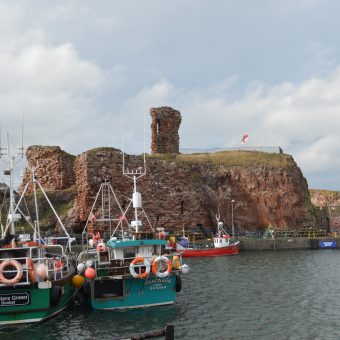
The Archaeology of Dunbar (English)
You’d be forgiven for looking askance when you read that Dunbar Castle was once one of the most powerful and important castles in Scotland.
Never Miss Out
