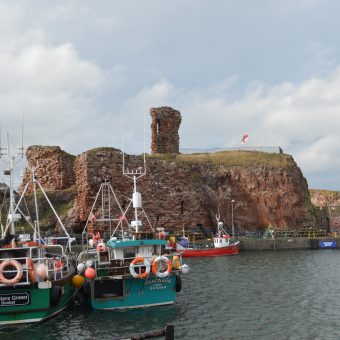
Fàilte gu post blog glè shònraichte bho Dig It Scotland (Cladhaich E na h-Alba? ‘S dòcha? No ‘s dòcha chan eil? Tha mi a’ dol thar mo rathaid). An-uiridh sgrìobh mi mu arc-eòlas Caisteal Dùn Bàrr agus am-bliadhna tha mi a’ dèanamh rudeigin beagan eagallach dhòmh – eadar-theangachadh gu Gàidhlig!
Discover
more
Destination Archaeology
Travel back into Scotland's past with our guides to unmissable sites and discoveries by region
MoreDecoding Archaeology
Get to grips with the science and techniques behind Scotland’s archaeological stories
More
Unearthing 2,000 Years of Board Games in Scotland
Breaking out the board games on a rainy day? From Roman soldiers to medieval nobles, noughts and crosses to chess, expert Mark Hall explains how people in Scotland have been gaming for over a thousand years.
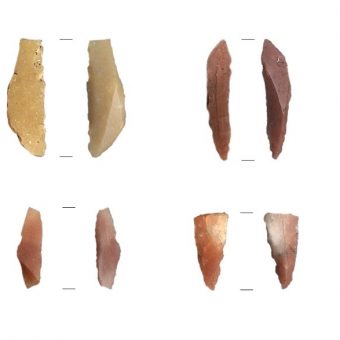
How You Can Help Find Prehistoric Hunter-Gatherers in the Scottish Mountains
Human use of the mountain and upland landscapes of Scotland is nearly as old as evidence for human use of Scotland as a whole. However, our ability to understand exactly what people were doing in mountain landscapes in early prehistory is constrained by the difficulty of finding sites.
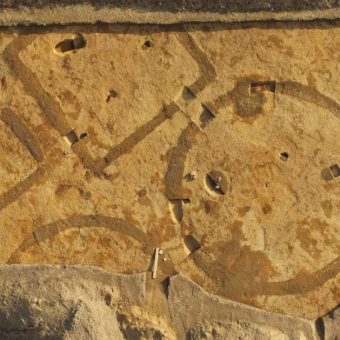
Five of Scotland’s Most Amazing Archaeological Finds from 2019
Archaeologists and volunteers unearth astonishing finds across the country each year and 2019 was no exception.
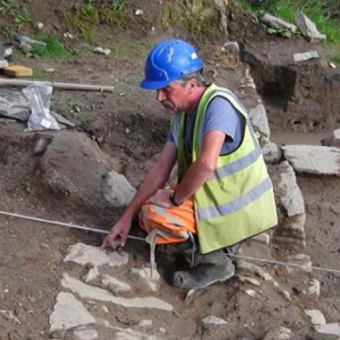
Unknown Habits: Your Guide to the Whitefriars of Perth
In the 21st-century, it is sometimes hard to imagine the enormous effect that the various religious houses had on life (and death) in medieval Scotland. [NOTE: Article contains images of human remains]
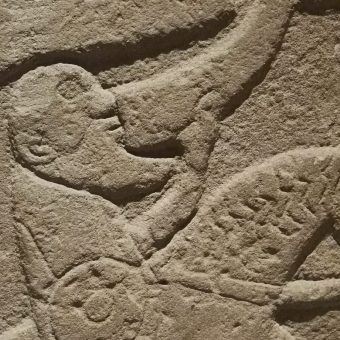
Hair-raising Archaeology in Scotland
Curling irons and straighteners may be relatively modern inventions, but people have been taming their tresses for thousands of years. Archaeology can tell us more about how they liked to style their hair, while the strands themselves can help unlock their lifestyles.
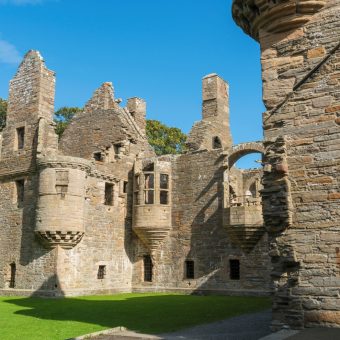
From A to B: Archaeology and Bishops in Scotland
From the earliest days of Christianity in Scotland, bishops were among the most powerful men in the land.
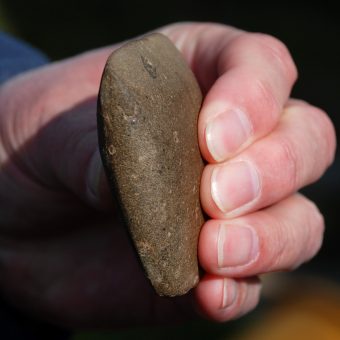
“What if I find an artefact?”: A Beginner’s Guide to Treasure Trove
What is Treasure Trove? Treasure Trove is a system for ensuring that artefacts of archaeological and historical significance are preserved in public collections for the nation to learn from and enjoy.
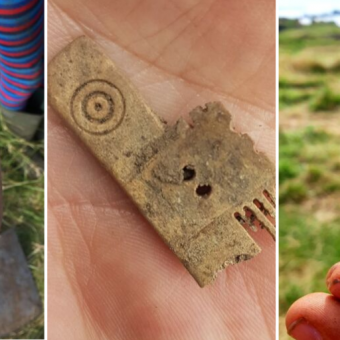
10 Ground-Breaking Discoveries: What was Unearthed During Scotland’s 2019 Dig Season?
A “Viking drinking hall” and bloodstone blade are among the most intriguing finds from the summer.

The Archaeology of Edinburgh’s Lost Loch
From Scotland’s last Ice Age to the modern day, the area at the foot of Edinburgh Castle has collected relics from Scotland’s past. Take a trip through thousands of years of Edinburgh history through the archaeology of the Nor’ Loch.
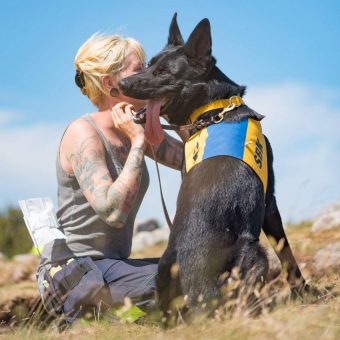
Archaeodogs – digging into archaeology
They’re known as “[hu]man’s best friend” (sorry cat lovers), but did you know that dogs are specifically great pals to archaeologists?

Fact meets Fiction: Shakespeare and Scottish Archaeology
Known as ‘The Scottish Play’, Shakespeare’s tragic tale of the legendary Scots king ‘Macbeth’ has been performed to audiences around the world.

Homicide, Fantasy and Historical Fiction: Seven Times Scottish Archaeology Was Written into Books
Some of Scotland’s most famous sites and finds have inspired or made cameos in best-selling novels – although the body count is a bit disturbing.
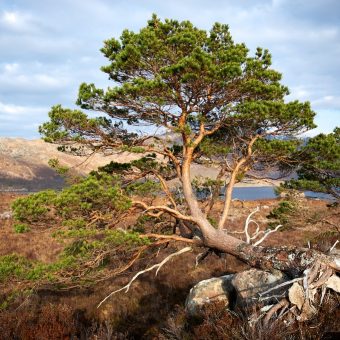
Dendrochronology and the Archaeology of Scotland’s Trees
Dendrochronology (or tree-ring dating) is the scientific method of dating tree rings to the exact year they were formed. The process can inform archaeologists about not only the date of a site, but the lifestyle of the people living there.
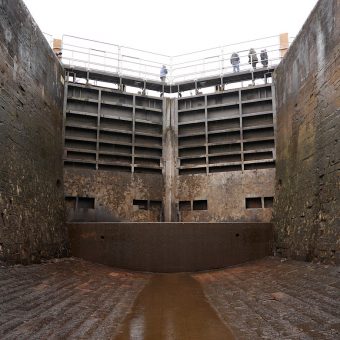
Below the Surface: Five Scottish Canal Discoveries for Archaeology Fans
Scotland’s canals are great places for boating, paddling, running, walking, cycling and fishing – and unearthing the past.
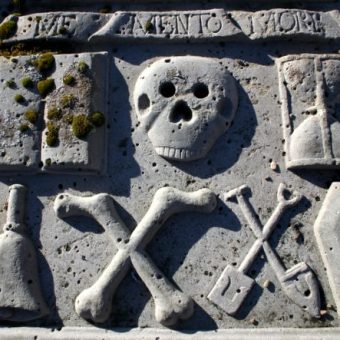
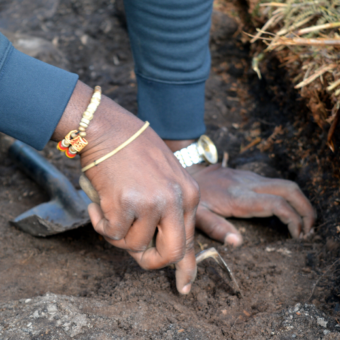
“Scotland’s Coolest Find?”: Archaeologists Answer Nine of Your FAQs
Have you ever questioned what archaeologists do? Whether you need a degree to become one? Or even wondered what music they listen to? We’ve asked six experts all with different backgrounds and experiences for their take on questions often posed to archaeologists.
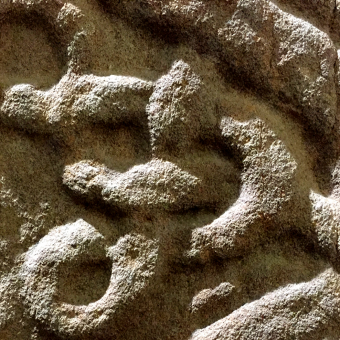
Top Six Scottish Archaeology Snakes
Serpents have slithered their way into thousands of years of Scottish history.

Historic Hotspots on Ìle (Islay)
Thinking of heading west? Take a look at these three archaeological hotspots in Ìle featuring whisky, walking, and even a castle thrown in for good measure.
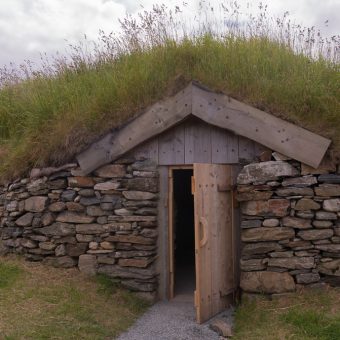
The Kingdom of the Isles: Viking Archaeology in Scotland
Towards the end of the 8th century, Vikings from Scandinavia arrived in Scotland. Their violent attacks on the islands and coastline, in which they looted precious metals and objects, eventually turned to settlement when the raiders decided to stay.
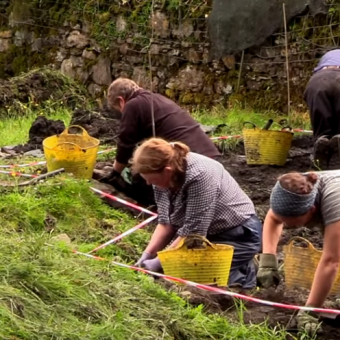
Cells and Souvenirs: What Can Archaeology Reveal About the Saints of Scotland?
Whether you’re driving over the Queensferry Crossing road bridge or playing a round of golf in the town of Saint Andrews, the impact of saints in Scotland can still be seen across the country.
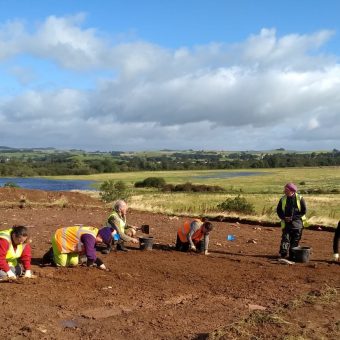
What’s Been Uncovered: Scotland’s Summer Dig Season | 2019
Scotland’s summer dig season was full of fascinating finds. You can dig into all of the action with #ScotlandDigs2019, the headlines below or our list of 10 ground-breaking discoveries.
Never Miss Out
