
This area of Scotland is home to the UK’s largest National Park, award-winning beaches, a ‘Granite City’ which boasts two Old Towns, and archaeological wonders that span over 4,000 years.
Discover
more
Destination Archaeology
Travel back into Scotland's past with our guides to unmissable sites and discoveries by region
MoreDecoding Archaeology
Get to grips with the science and techniques behind Scotland’s archaeological stories
More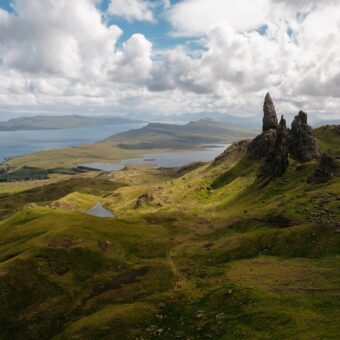
Archaeology in the Scottish Highlands: Six of the Most Spectacular Sites and Discoveries
Stretching from Speyside in the south to the northernmost mainland town of Inbhir Theòrsa (Thurso) and over to the western tip of An t-Eilean Sgitheanach (the Isle of Skye), the Scottish Highland region is almost the size of Belgium – which means there are a lot of stories to be uncovered.

Top Five Archaeological Sites Around Falkirk
Prehistoric rock art, Roman forts and medieval castles await in the Falkirk area!

Seals, Selkies and Stories: What Does Folklore Have to Do with Archaeology?
Over the years, archaeologists and volunteers have unearthed curious finds along the Scottish coastline connected to seals.
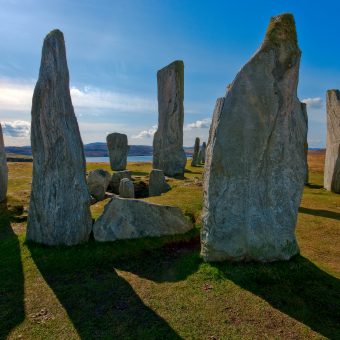
Scottish Archaeology Meets Myth, Legends and Folklore
Myth, legends and folklore appear throughout Scotland’s history, so it’s not surprising that they’ve been linked to some of the country’s most mysterious sites and monuments.
ARC-EÒLAS NA H-ALBA, FIONN-SGEÒIL AGUS BEUL-AITHRIS A’ TIGHINN CÒMHLA (GHÀIDHLIG)
Tha fionn-sgeulan, uirsgeulan agus beul-aithris a’ nochdadh air feadh eachdraidh na h-Alba, agus mar sin chan eil e na iongnadh gu bheil iad ceangailte ri cuid de na làraichean agus carraighean ro-eachdraidheil as annasaiche san dùthaich.
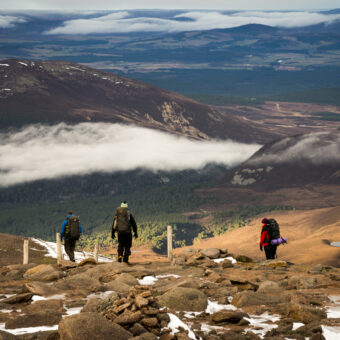
Looking Up: Searching for Prehistoric Hunter-Gatherers in the UK’s Largest National Park
Over 6,000 years ago, Scotland was home to groups of hunter-gatherers. Evidence of their existence mostly comes from the lowlands but a new project is hoping to further develop our knowledge of how these people lived in Scottish mountains
CAISTEALAN AIR A’ CHOSTA: CÒIG CAISTEALAN ALBANNACH RI TAOBH NA TRÀGHAD LE ARC-EÒLAS AIR LETH (GHÀIDHLIG)
Tha tòrr de na caistealan as iomraitiche agus leis na sgeulachdan às fheàrr a’ seasamh ri taobh na mara no ri taobh aibhnichean. Airson romansachd le R-mòr, a bheil rud sam bith ann cho math ri caisteal air mullach bearradh mun deach deagh sgeulachdan a sgrìobhadh, agus far an cluinnear fuaim nan tonn a’ bualadh…
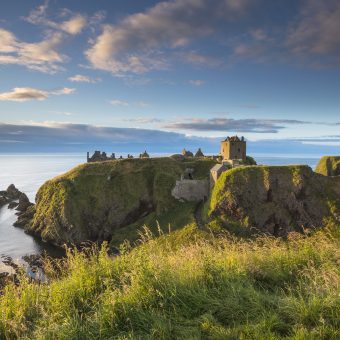
Castles of the Coasts: Five Seaside Scottish Castles with Awesome Archaeology
Many of Scotland’s most spectacular and lore-laden castles stand astride seas and waterways. For pure capital-R Romance potential, is there anything better than a clifftop castle with stories to tell and the sound of waves lashing the shore below?
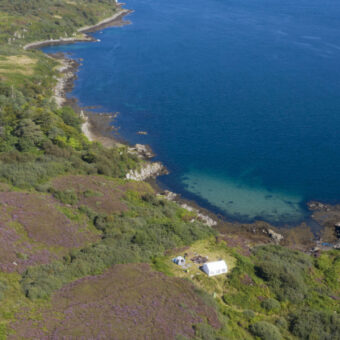
Five of Scotland’s Most “Ground-Breaking” Archaeological Discoveries from 2021
Prehistoric animal carvings, a 5,000-year-old monument and a “phenomenal” illicit whisky distilling site are among the top finds from the last 12 months.
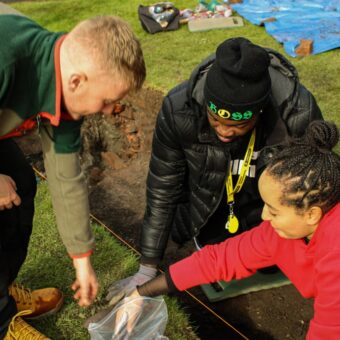
No Experience Required: Volunteering at an Archaeological Dig for the First Time
As someone who has never been to a dig before, the word “archaeology” conjures up “Indiana Jones-like” imagery with skulls and treasure being unearthed in vast valleys and burning deserts.
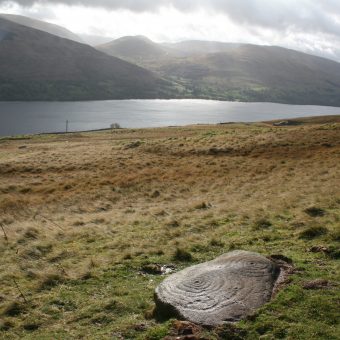
Scotland’s Rock Art: discovering prehistoric carved landscapes
The first things that often spring to mind when we think about rock art are the rich and colourful prehistoric cave paintings of animals in Spain and France. However, there are many different forms of prehistoric rock art (carved and painted images and marks on natural rock surfaces) known across the world
EALAIN CLOICHE NA H-ALBA: A’ LORG CHRUTHAN-TÌRE SNAIDHTE RO-EACHDRAIDHEIL NA H-ALBA (GHÀIDHLIG)
Gu tric, ’s e na dealbhan uaimh ro-eachdraidheil beairteach agus dathach de bheathaichean san Spàinn agus san Fhraing a’ chiad rud a thig a-staigh oirnn nuair a smaoinicheas sinn air ealain creige. Ach, tha iomadh seòrsa de dh’ealain creige ro-eachdraidheil
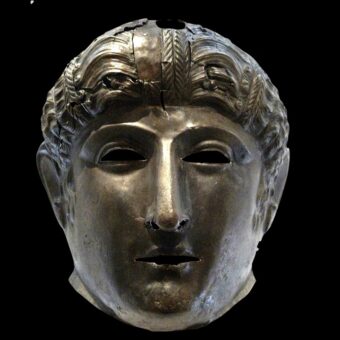
Did the Romans Conquer Scotland?
2,000 years ago, the Romans thought of Scotland (or Caledonia, as they called the region) as a wild and unruly place lying beyond the most northerly limits of their empire – indeed to them, Scotland must have seemed like the very edge of the world.
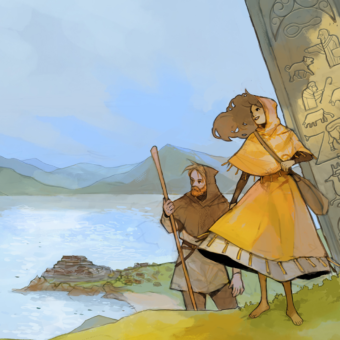
Picts to be Brought to Life in New Game Based on Ground-breaking Research
Carved in Stone, a new collaboration between tabletop roleplaying game designers and archaeologists, is bringing to life an exciting period of Scottish history for storytellers, players, and heritage enthusiasts of all ages.
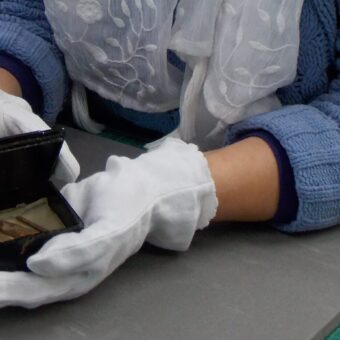
Lost and found: Why are objects “rediscovered” in museum collections stores?
How do museums lose track of objects? Why do they go missing in the first place? How are they found again?
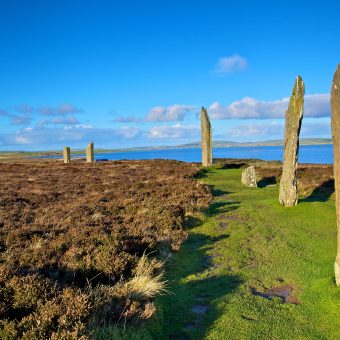
Atharrachadh na Gnàth-shìde agus dualchas na h-Alba: Am fios a bu chòir a bhith agad (GHÀIDHLIG)
“Ach bhiodh beagan blàthachadh na cruinne math dhuinn an seo ann an Alba, nach biodh?” Mas e seo na smaoinich thu nuair a chunnaic thu tiotal an artaigeil seo, na gabh dragh – seo na chanas a’ mhòr-chuid nuair a chì iad na faclan “atharrachadh gnàth-shìde” agus “Alba” san aon t-seantans.
Climate Change and Scotland’s Heritage: What You Need to Know
“But we could really use some global warming up in Scotland, right?!” If this was your response to the title of this article, don’t worry – most people offer this line when they see the words “climate change” and “Scotland” in the same sentence.
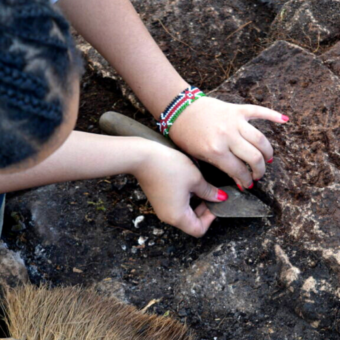
Uncovering Black History Through Scottish Archaeology
Black people have lived in Scotland for thousands of years and recent archaeological work is helping to unearth and explore some of their stories.
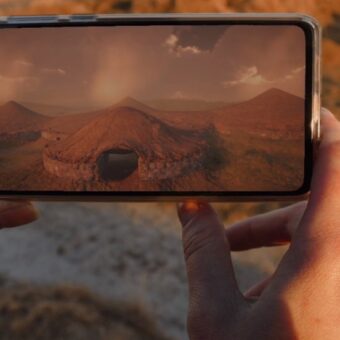
Làraichean arc-eòlais a dh’fheumas tu fhaicinn ann an Uibhist (GHÀIDHLIG)
Tha Uibhist sna h-Eileanan Siar na dachaigh do chuid de na làraichean arc-eòlais as iongantaiche ann an Alba, ach chan eil mìneachadh air an làraich aig tòrr aca agus chan eil mòran ri fhaicinn aig cuid aca aig an àm seo.
Must-See Archaeological Sites in Uibhist (Uist)
Uibhist in Na h-Eileanan Siar (the Western Isles) is home to some of the most spectacular archaeological sites in Scotland, although many lack upstanding remains or on-site interpretation. But an exciting digital project has met these challenges head-on by launching a mobile app.
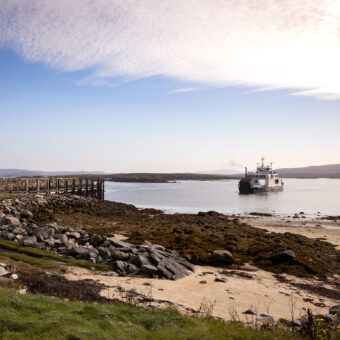
A Hebridean Highway? Water Travel in Prehistoric Scotland
Artefacts can tell us a lot about the lives of the people who made and used them, including how they travelled and passed around ideas. This is particularly important when investigating people in the prehistoric period (around 2,000 years ago and beyond) because they don’t appear to have written anything down for us to find.
Never Miss Out
