
Archaeologists don’t just dig in the soil. We also take lots of soil back to our finds labs
Discover
more
Destination Archaeology
Travel back into Scotland's past with our guides to unmissable sites and discoveries by region
MoreDecoding Archaeology
Get to grips with the science and techniques behind Scotland’s archaeological stories
More
Can I Get Involved in Scottish Archaeology If I Have a Disability?
If you’ve entered this query into a search engine in the past, you may well have felt that they’ve shortchanged you

A “People-less Paradise”? What Archaeology Tells Us About the Climate Crisis and the “Emptiness” of Scotland’s Highlands and Islands
As we wrestle with the climate crisis and the impacts of social inequality in the 21st century, archaeology can help bring real world benefits to communities across Scotland

What are Statements of Significance?
What makes Skara Brae in Orkney so special? How do you look after a Cold War bunker? What else do we need to know about the Castle of Old Wick in Caithness?

Five Historical Building Reconstructions to Visit in Scotland (and Two to Watch Out For)
An Iron Age loch-dwelling, Pictish building, and 17th-century turf home are just some of the impressive structures
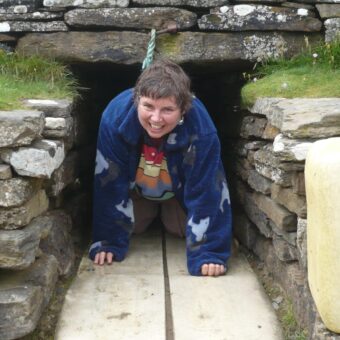
Six Women in Scottish Archaeology You Need to Know
Women have played a key role in Scottish archaeology for centuries
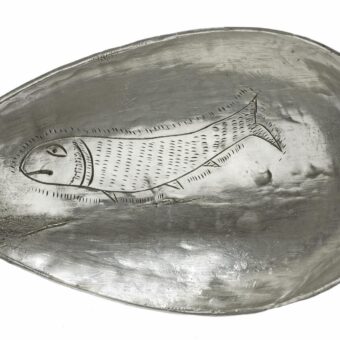
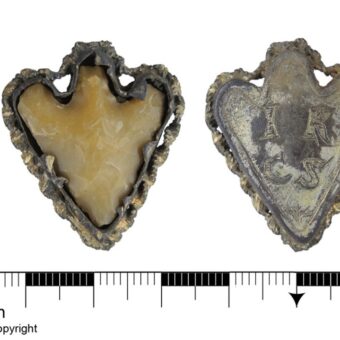
Magical Beliefs and Practices in Medieval and Early Modern Scotland: Why Does Archaeological Evidence Matter if We Have Written Records?
Written records contain a wealth of knowledge that help us better understand magical beliefs and practices in medieval (AD 400 to 1500) and early modern Scotland (1513 to mid-18th century).
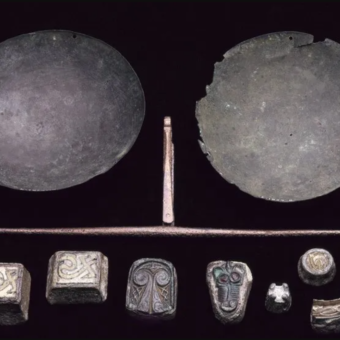
Boats, Brooches, and Swords: Five Viking Age Scandinavian Burials in Scotland
From Eilean Ì (Iona) to Shetland, Scotland has a spectacular Viking past. The Scandinavian seafarers who gave their name to the Viking Age (c. AD 750-1050) arrived in what we today call Scotland around 1,230 years ago.

Halls, Swords and Spears: From Archaeological Evaluation to Excavation in Scotland
How do archaeologists know where to find archaeological sites, features and artefacts?
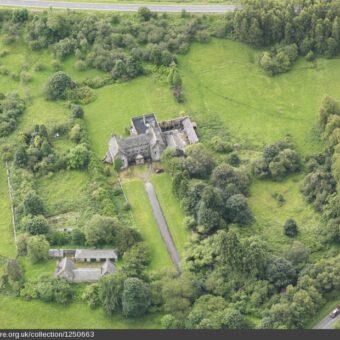
How Volunteers Uncovered an Early Mine Shaft at a Jacobite Mansion
Bannockburn House in Stirlingshire may be well known for its connections to Bonnie Prince Charlie, but the 17th-century mansion is also home to a rare visible example of an early mine shaft which was uncovered with the help of local volunteers.
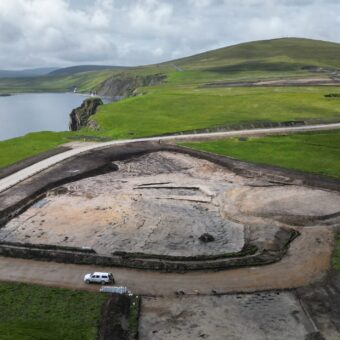
Five of Scotland’s Most Amazing Archaeological Discoveries from 2023
A possible Neolithic “hall”, a Bronze Age ritual cremation cemetery, and an “elite” Iron Age hillfort are among the most ground-breaking finds.
The Best Scottish Archaeology Gift Guide
Wondering what to buy for the person who has everything (and also happens to love Scotland’s past)? We’ve created a handy list to help you finish your shopping while supporting Scottish charities and community heritage projects.
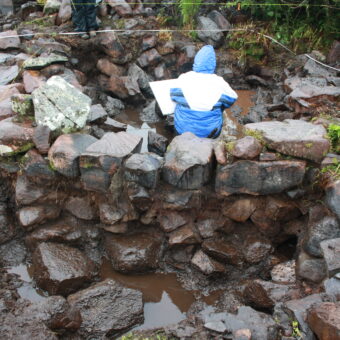
First Neolithic Crannog on Mainland Scotland? Evidence May Have Been Revealed in the Highlands
Analysis of sediment material taken to investigate an Iron Age crannog in Assynt has revealed that there was human activity in the same spot, more than 2,500 years earlier, during the Neolithic (4100-2500 BCE).
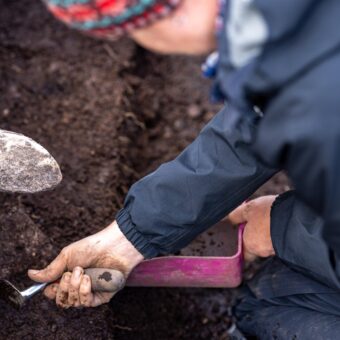
Archaeological Digs in Scotland | 2024 Edition
Want to volunteer or visit an excavation in 2024? We’re rounding up the best free (or low-cost) archaeology opportunities from across the country
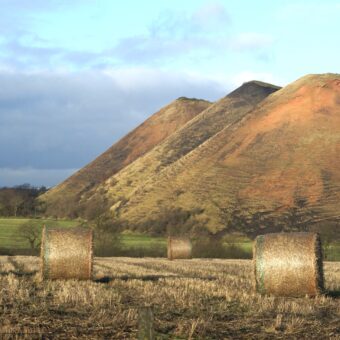
Top Lesser-Known Archaeological Sites in West Lothian
You may have heard of the famous historic West Lothian sites of Linlithgow Palace, Cairnpapple Hill and Blackness Castle, but did you know about these other archaeological gems in the area?
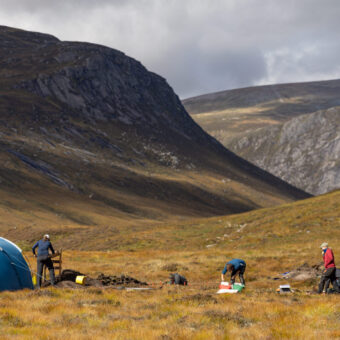
Who Were the Prehistoric Hunter-Gatherers Who Occupied Scotland’s Mountains?
Only a small number of prehistoric hunter-gatherer sites in the Scottish mountains have been excavated so far, but they show us the diversity of ways that these people lived in these landscapes over 6,000 years ago.
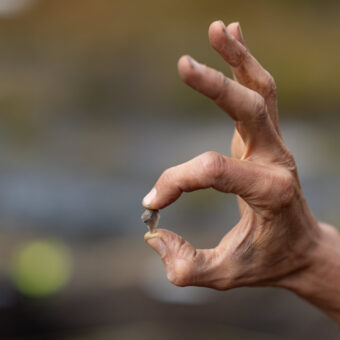
What Happens When a Mesolithic Site is Found in the Scottish Mountains?
Most of the archaeological evidence we have of prehistoric hunter-gatherers who occupied Scottish mountains over 6,000 years ago is first identified as a few stone tools, eroding from a footpath or watercourse.
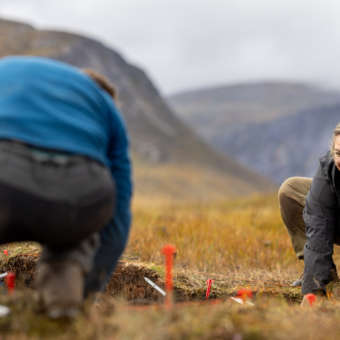
From Stone Tools to Tartan: Archaeology Covering 6,000 Years of Scotland’s Past Attracts Thousands This Summer
Our Scotland Digs 2023: Free Days Out campaign showcased the country’s world-class archaeology and more than 20 free events from Shetland to Dumfries & Galloway.
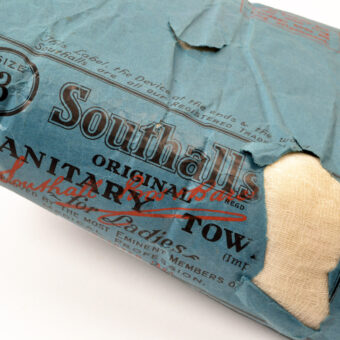
It’s a bloody shame! Archaeological evidence of menstruation in the past
While menstruation is part of life for approximately 26% of the world’s adult population, with roughly 800 million people menstruating every day, it’s rarely considered within archaeological studies.

What Are Watching Briefs and What Have They Uncovered in Scotland?
What do you think of when you hear the words “archaeological site”? The Antonine Wall? Skara Brae? Tursachan Chalanais (the Callanais Stones)? How about the building site down the street? Or the house extension next door?

What are Archaeological Desk-Based Assessments and What Have They Uncovered in Scotland?
Archaeology doesn’t begin when the shovel hits the ground. Indeed, it’s possible to study historic features in the landscape without even kneeling down! Lachlan McKeggie, Director of Highland Archaeological Services, lifts the lid on one form of archaeological investigation – desk-based assessments.
Never Miss Out
