
Some of the most exciting Neolithic sites in Scotland are in some of the most beautiful places – think Eilean Leòdhais (Lewis) in Na h-Eileanan Siar (the Outer Hebrides), Orkney, Argyll and Eilean Arainn (Arran) off the west coast of Scotland.
Discover
more
Destination Archaeology
Travel back into Scotland's past with our guides to unmissable sites and discoveries by region
MoreDecoding Archaeology
Get to grips with the science and techniques behind Scotland’s archaeological stories
More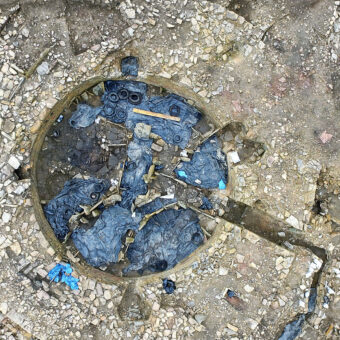
Archaeologists to Investigate a Prehistoric Settlement, Multi-Period Castle Site, and Iron Age Fort in Scotland this Summer
The Scotland Digs 2023: Free Days Out campaign is celebrating the country’s world-class archaeology and highlighting budget-friendly activities for the public.
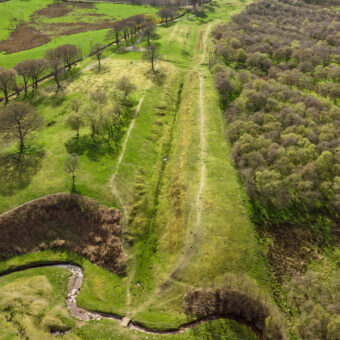
Top 10 Artefacts from the Antonine Wall
Stretching 62km from the Firth of Clyde to the Firth of Forth, remnants of the Antonine Wall include ramparts, steep ditches, forts and bathhouses, many of which are still visible today.
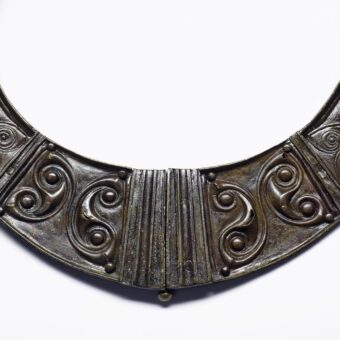
Who were the Celts?
Sometimes artefacts discovered in Scotland are identified as ‘Celtic’ and groups of people from Scotland’s past are referred to as ‘Celtic tribes’. Is this accurate? What does it mean? And who are these people?
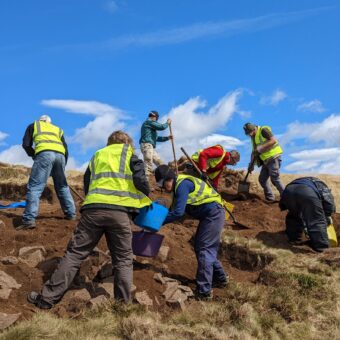
Why should I volunteer at an archaeological dig in Scotland?
“There’s nothing quite like unearthing something that you know hasn’t been seen in 1,500 years” – Anne Campbell, Falkland Stewardship Trust Archaeology Ambassador
Three More Years of Dig It!
We have some good news! But first, it’s time for a trip down memory lane.
What can small archaeological finds reveal about individuals from Scotland’s past?
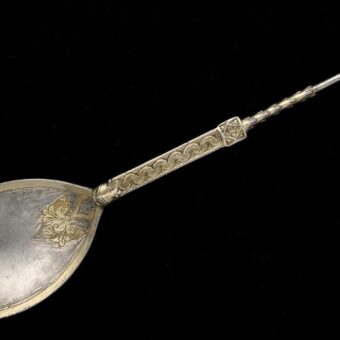
Archaeologists don’t dig for treasure, but they do get excited about recovering artefacts which can help them construct a story about the place they’re excavating, and the people who once lived there.
Top Five Archaeological Sites and Discoveries in Clackmannanshire
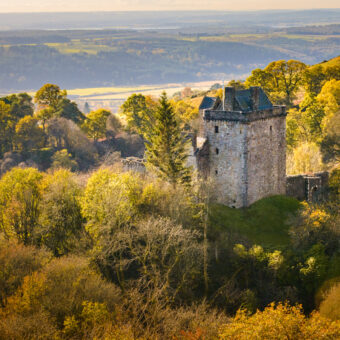
Clackmannanshire may be Scotland’s smallest county, but it’s jam-packed with archaeological stories waiting to be unearthed at tower houses, castles, woollen mills and more. [NOTE: Article contains images and descriptions of human remains]
Beyond Walls: Exploring Roman and Iron Age Encounters in Northern Britain through Archaeology
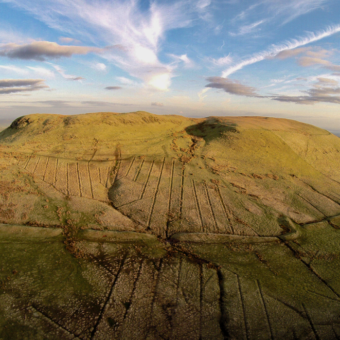
Over 1,900 years ago, the outermost edge of the Roman Empire was a place of complex relationships between occupying forces and local communities. Interactions in places like northern Britain ranged from trade, exchange and collaboration to open conflict and resistance.
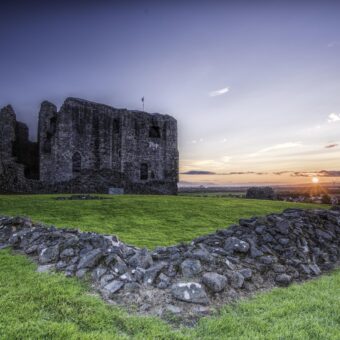
Four of the Best Archaeological Sites and Discoveries from Medieval Scotland
The medieval period covers a lot of ground, including the appearance of Pictish “kingdoms”, Romans leaving Britain, the first Viking raids, Christianity becoming fully established in most of Scotland, the development of “towns”, increased trade with what is now mainland Europe and more.
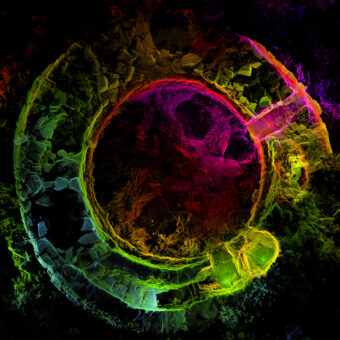
Top Five Scottish Archaeological Sites and Artefacts Brought to Life by Digital Technology
Every year, hundreds of archaeological stories covering everything from medieval toilet seats to Iron Age stone lamps are unearthed in Scotland. But the details are not always easy to find.
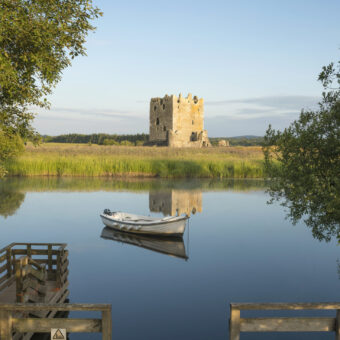
Top Five Lesser-Known Scottish Castles with Amazing Archaeology
It’s estimated that there are a whopping 2,000 castles in Scotland built between the 1100s and early 1600s AD, with Aberdeenshire in particular boasting more castles per hectare than anywhere else in the UK.
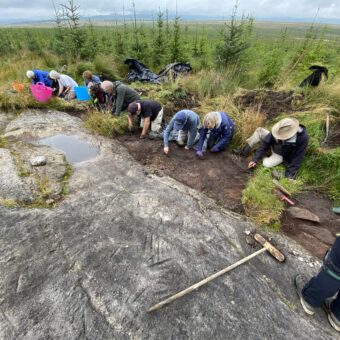
Scotland’s Most Amazing Archaeological Discoveries from 2022
Neolithic axe marks, archaeological roots to the Merlin legend, and artefacts pointing to a “nationally important” medieval monastery are among the most ground-breaking finds.
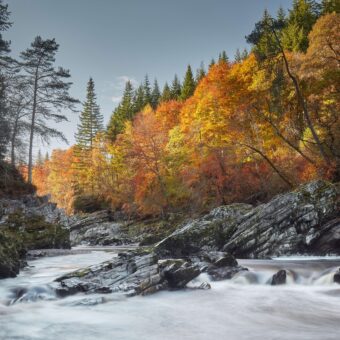
Top Four Pictish Sites and Discoveries in Moray
The early medieval people known as the Picts lived in northern Scotland for a period of about 600 years (from roughly AD 300 to AD 900) and left many traces in modern-day Moray, which lies in the heart of what once was Northern Pictland.
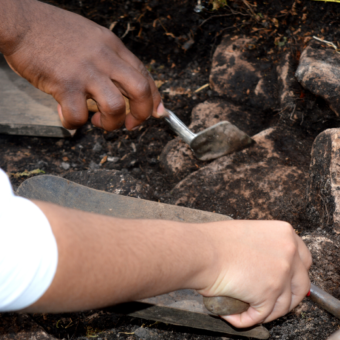
Archaeological Digs in Scotland | 2023 Edition
Hoping to do some volunteering or visit an excavation in 2023? We’re rounding up the best free (or low-cost) opportunities from across the country – no archaeology experience required!
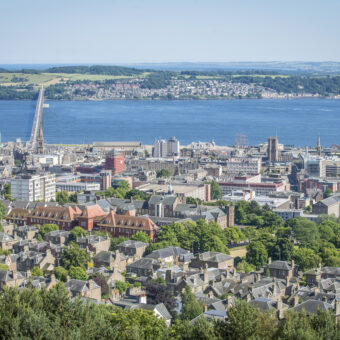
Four of Dundee’s Best Archaeological Sites and Discoveries
Dundee may be best known for jute, jam and journalism, but the city’s story started thousands of years before they arrived on the scene.
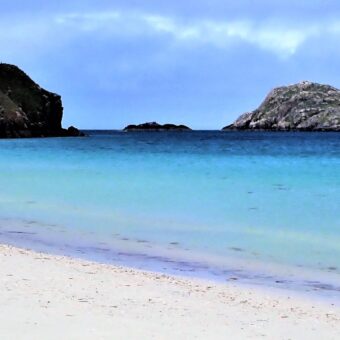
What’s a Roundhouse? Exploring the Iron Age wheelhouse at Cnip on Eilean Leòdhais (the Isle of Lewis)
Back in the 1980s, people living in the coastal township of Cnip (pronounced ‘Kneep’) in Eilean Leòdhais noticed that high winter tides had exposed stones and dark midden deposits on the beach.
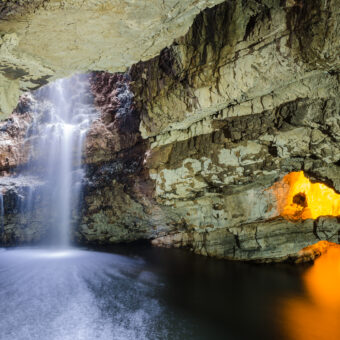
Carvings, Crosses and Human Remains: Top Six Archaeological Discoveries in Scottish Caves
People have been using caves in Scotland for thousands of years and have left behind carvings, objects and bones which offer glimpses of their life stories.
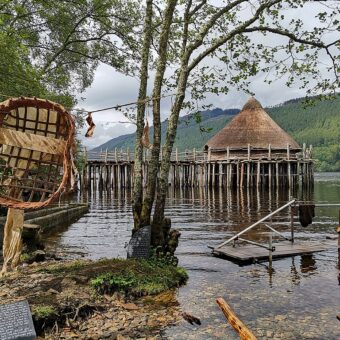
Are We Really That Different? Exploring the Similarities Between Iron Age Scotland and Indigenous North America
When you think of Iron Age Scotland and Indigenous North America, not many similarities often come to mind right away. But after a closer examination, there’s a lot more in common between them than meets the eye.

How Drones are Helping to Save Scotland’s Coastal Archaeology
Climate change is everywhere and affecting everyone. Recent extreme weather events ranging from droughts and heatwaves to dramatic floods have shown the extent of the threat.
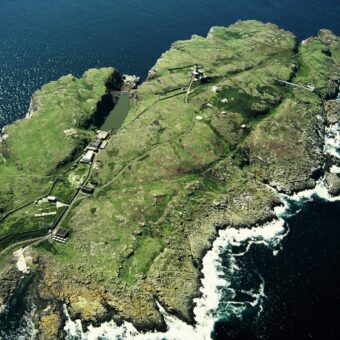
Top Five Archaeological Discoveries from Scottish Islands That You May Not Have Heard Of
Did you know that Scotland has over 900 offshore islands? Humans have been travelling between these islands – found in Shetland, Orkney, Na h-Eileanan A-Staigh (the Inner Hebrides), and Na h-Eileanan Siar (the Outer Hebrides) – for millennia and have left plenty of evidence of their existence behind.

Prehistoric Artefacts, Medieval Friary and Climate Change Connections Unearthed During Scotland’s Summer of Archaeology
Lessons that can be learned about climate action from a multi-period crofthouse site, a medieval friary and a coastal settlement occupied from around 800 BC have been captured by three artists.
Never Miss Out
